 Opinion

AITO Looks Ahead to Europe, Building a Thriving Automotive Ecosystem
1.
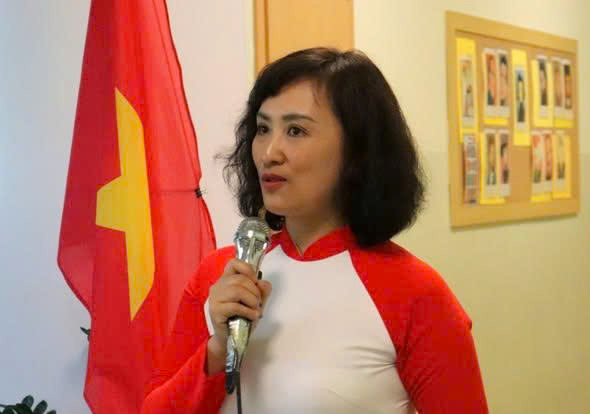 |
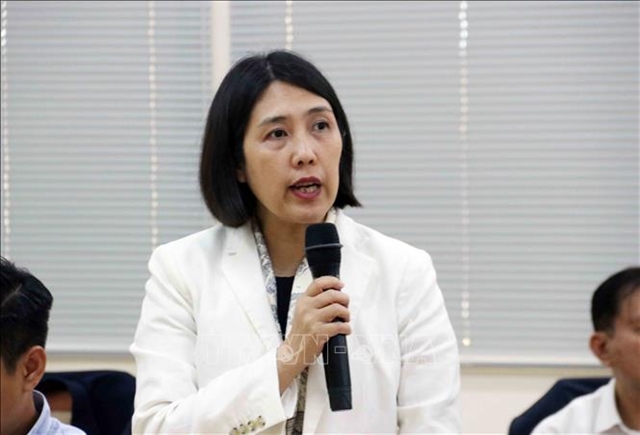
| Vice principal of Lạc Long Quân Vietnamese School in Poland, Đỗ Bích Thảo. |
With a newly-promulgated resolution on the affairs of overseas Vietnamese, in the digital age, the "space" for contribution is no longer restricted by geography. In an interview with Việt Nam News reporter Nguyễn Khánh Chi, Vice principal of Lạc Long Quân Vietnamese School in Poland, Đỗ Bích Thảo, said what is the most crucial step is for the State to create a "connectivity infrastructure" that is reliable and efficient enough for Vietnamese intellectuals and experts worldwide to identify the specific challenges that Việt Nam needs to solve.
Resolution 23, for the first time, clearly defines the preservation and promotion of the Vietnamese language among the younger generation abroad as a key mission. From your practical experience teaching Vietnamese in Poland, what do you believe is the greatest significance of maintaining the language in connecting the young overseas Vietnamese generation with their roots?
In my view, the greatest significance of preserving the Vietnamese language for the younger generation living abroad is that it prevents them from losing the vital "umbilical cord" that connects them to their roots.
Through my teaching experience in Poland, I have observed that for children born and raised abroad, Polish is the language of school, friends, and daily life. However, Vietnamese is the language of the family, grandparents and stories about their homeland, their parents, and their own origins. Therefore, teaching Vietnamese is not merely about teaching them how to read, write, or communicate; more importantly, it is about helping them understand who they are, where they come from, and the cultural community to which they belong.
I always believe that a child can integrate very well into their host society, but if they can still speak Vietnamese with their grandparents, understand folk verses and Vietnamese songs, know what Tết (Lunar New Year) is, and understand why their family maintains certain customs, then a door to Việt Nam remains open in their soul.
Resolution 23 clearly identifies the preservation and spread of the Vietnamese language and national cultural identity to the younger and future generations of Vietnamese people, while strengthening the community's bond with the homeland. Based on that reality, I believe that keeping the Vietnamese language means keeping memories, culture, and an affection for the motherland. When a child can confidently say, “I am Vietnamese,” and that statement is backed by the ability to speak the language, understand the culture, and take pride in their origins—that is the greatest success of teaching and preserving Vietnamese abroad.
I believe that the younger generation of Vietnamese abroad does not necessarily have to choose between “integration” and “preserving identity.” They can fully integrate into their host society while still carrying a piece of Việt Nam within them. The Vietnamese language is the most natural and sustainable bridge to help them achieve that.
In the digital era, the "space" for contribution is no longer restricted by geography. In your view, how should the State provide support to foster the formation of digital networks for overseas Vietnamese experts and intellectuals so they can contribute to the country’s development?
I believe that in the digital age, the most crucial step is for the State to create a "connectivity infrastructure" that is reliable and efficient enough for Vietnamese intellectuals and experts worldwide to find one another and identify the specific challenges that Việt Nam needs to solve.
Based on the reality of the Vietnamese community in Poland, I suggest that, first and foremost, the State should build a shared digital platform or database of overseas experts and intellectuals. Here, individuals could register their fields of expertise, experience, collaborative interests, and preferred methods of contribution. It is not always necessary for them to return to Việt Nam to work full-time; they can contribute remotely through consulting, online training, technology transfer, business networking, or by collaborating on specific projects.
Second, we must effectively "match supply with demand." We shouldn’t just aim for a long list of talented individuals; what matters is that when Việt Nam faces a specific issue, we know exactly which expert to call upon and can connect them with the right ministry, university, locality, or enterprise.
Third, the State should create mechanisms to encourage and recognise the contributions of overseas Vietnamese. For instance, there should be programmes to commission experts, research support funds, as well as competitions and online forums where overseas specialists can help solve Việt Nam’s matters. When an overseas Vietnamese person sees that their ideas and brainpower are truly listened to, utilised, and yield results, they will be more motivated to make long-term contributions.
Furthermore, I believe building trust is vital. Technology can help us connect millions of people, but for a network to be sustainable, there must be transparency, professionalism, respect for expertise, and clear coordination mechanisms.
If we do this well, we will no longer view "overseas brainpower" as a resource located outside the country, but rather as an integral part of Việt Nam's national resources distributed globally.
Particularly for the younger generation of Vietnamese born and raised abroad, the digital space can serve as a "generational bridge." These young people can connect with Vietnamese experts worldwide, learn about Việt Nam, and participate in educational, scientific, technological, and cultural projects. In this way, contributing to their homeland does not necessarily have to begin with returning to Việt Nam, it can begin right from where they are living.
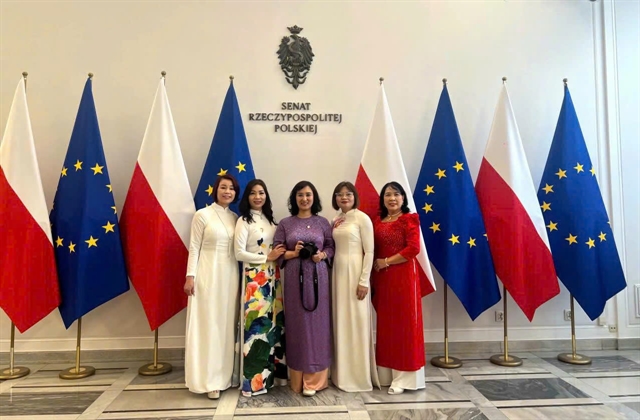 |
| The Vietnamese Women’s Association in Poland organise a visit to the Polish Parliament, one of the oldest legislatures in Europe and the highest legislative body. Photos courtesy of Đỗ Bích Thảo |
One of the most notable aspects of Resolution No 23 is the spirit of "accompanying and listening." What is your personal assessment of this approach?
In my opinion, "accompanying and listening" is one of the most meaningful highlights of the Resolution, as it represents a significant shift in how the overseas Vietnamese community is perceived. From my experience living and working within the Vietnamese community in Poland, I have observed that our overseas compatriots do not just wish for care and support; they want their voices to be heard and their contributions to be recognised in a substantive way.
From the perspective of someone involved in Vietnamese language education in Poland, I feel this even more deeply. We are striving to preserve the Vietnamese language and culture for the younger generation not simply so they can learn an additional language, but because we want them to remain connected to their homeland, their families, and their roots. However, for these efforts to be sustainable in the long run, the community also needs the State to "walk alongside" us through policy support, resources, and, specifically, better connectivity with domestic agencies.
I believe that when the State truly listens to the community, and the community proactively shares and contributes with a constructive spirit, we will create a relationship built on trust and mutual responsibility.
Based on the reality in Poland, it is clear to me that the overseas community possesses immense resources: knowledge, experience, international relations, connectivity, and, above all, a profound love for the homeland. Therefore, I hope the spirit of "accompanying and listening" will help transform that sentiment into concrete contributions. Overseas Vietnamese should not be viewed merely as subjects of care and concern, but as an integral part of the resources driving the country’s development.
The Resolution emphasises that the integration of overseas Vietnamese into their host societies is a way to strengthen Việt Nam. What practical significance does this have for the country’s diplomatic efforts?
This is a very practical point with profound significance for our national diplomacy. I believe that when overseas Vietnamese integrate well and gain status and prestige within their host societies, they naturally become Việt Nam’s "ambassadors."
From the reality in Poland, I see this very clearly. A Vietnamese person who works hard, runs a business successfully, obeys the law, and actively participates in local social, educational, and cultural activities does more than just build a good reputation for themselves; they contribute to the image of Việt Nam in the eyes of international friends.
In particular, those who hold positions in government agencies, corporations, universities, social organisations, or professional fields abroad have the capacity to create highly valuable connections. Because they understand both Việt Nam and the society in which they live, they serve as bridges for economics, education, science, culture, investment, trade, and people-to-people exchanges. This is a highly effective form of public diplomacy. There are objectives that a formal diplomatic mission might find it hard to achieve in a short timeframe, but a respected Vietnamese individual in their host country can facilitate through their personal relationships, established trust, and daily contributions.
Therefore, integration does not mean assimilation or "losing one's identity." On the contrary, the deeper they integrate and the higher their status and prestige abroad, the better positioned they are to contribute to their homeland.
In my view, the State should continue to create favourable conditions for the Vietnamese community to improve their legal status and achieve stable development, while encouraging the younger generation to study, build careers, and participate actively in their host societies. At the same time, it is essential to connect influential individuals and experts with Việt Nam’s foreign affairs and international cooperation programmes.
I firmly believe that the younger generation of Vietnamese is a massive resource. Born or raised abroad, they are fluent in the native language and understand the local culture while still having Vietnamese roots. If they are well-educated in the Vietnamese language and culture, they can fully become a new generation of bridges between Việt Nam and the world. This is how we conduct long-term diplomacy: not just through high-level meetings, but through millions of positive relationships built every day by Vietnamese people living, studying, and working across the globe. VNS
Opinion
 Opinion
 Opinion
 Opinion
 Opinion
.jpeg) Opinion
Opinion
 Opinion
 Opinion
 Opinion
 Opinion
 Opinion
 Opinion
 Opinion
 Opinion
 Opinion