 Opinion
Sơn La holds second coffee festival, targeting stronger businesses in future
1.
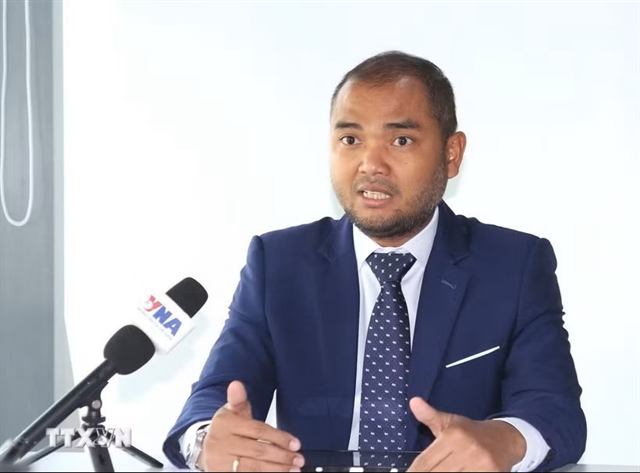 |
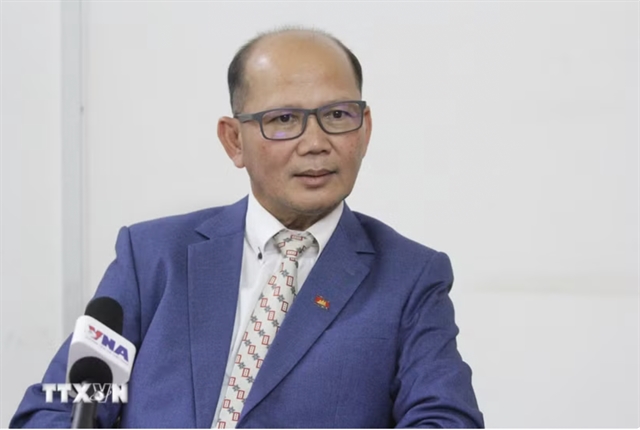
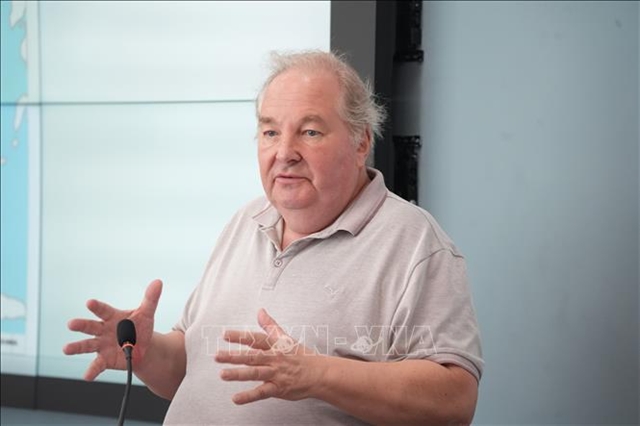
| Dr. Gnel Rattha, President of the Cambodia–Russia Business Association and an expert in geopolitics and international economics. VNA/VNS Photo Minh Hưng |
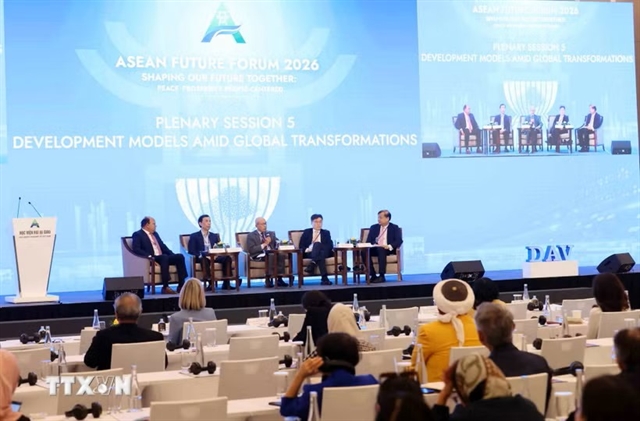
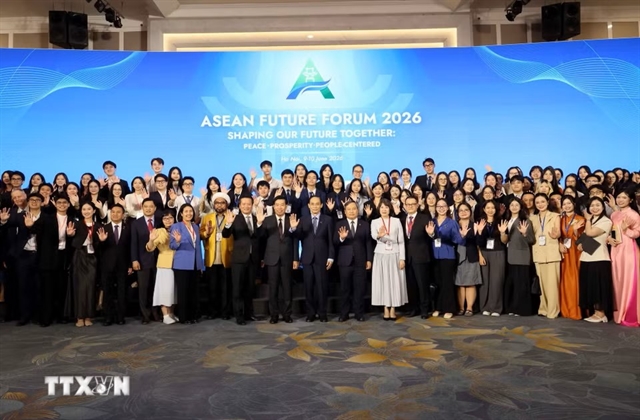
PHNOM PENH – The ASEAN Future Forum (AFF) 2026 has reinforced Việt Nam’s role as a proactive contributor to regional cooperation and marked a significant step forward in expanding party diplomacy from bilateral engagement to a broader multilateral framework, according to a Cambodian analyst.
Commenting on the forum, held in Hà Nội on June 9-10 under the theme “Shaping Our Future Together: Peace, Prosperity and People-Centred,” Dr. Gnel Rattha, President of the Cambodia–Russia Business Association and an expert in geopolitics and international economics, said this was a large-scale multilateral event with a pioneering, in-depth, and comprehensive agenda. It also provides an opportunity to further promote the role of youth and the private sector.
Rattha said AFF has developed into a comprehensive multilateral forum with a forward-looking agenda, providing space for governments, businesses, young people and local authorities to exchange views on key regional issues. The forum, he added, reflects Việt Nam’s growing capacity to promote inclusive dialogue and strengthen regional connectivity beyond traditional government-to-government channels.
The Cambodian expert said that AFF 2026 is a testament to Việt Nam’s ability to pursue a foreign policy of independence, self-reliance, and deeper international integration. The forum’s agenda also demonstrated the host country’s organisational capacity in broadening dialogue beyond the government level, bringing together representatives of major ASEAN cities, youth groups, and the private sector.
According to Cambodia’s Ministry of Foreign Affairs and International Cooperation, Prime Minister Samdech Thipadei Hun Manet, speaking at the opening session, stressed that peace remains the cornerstone of regional stability and development. He called for enhanced cooperation, dialogue and the peaceful resolution of disputes in line with international law.
Rattha said the Cambodian Prime Minister’s participation reflected the country’s increasingly proactive and active role in regional affairs. He noted that Hun Manet’s attendance at the forum underscored Cambodia’s willingness to contribute to addressing shared ASEAN issues, including climate change, security and inclusive development.
He said Phnom Penh can also capitalise on the benefits arising from AFF’s agenda on technology and energy security. Describing the regional forum as a “laboratory of innovative ideas,” he noted that this year’s agenda focuses on issues such as artificial intelligence (AI) governance, financial technology, and energy security. Through these discussions, Cambodia can attract greater investment, knowledge, and expertise from the network of international experts, businesses, and scholars participating in the event.
Economic cooperation and regional security were also key themes at the forum. Rattha said AFF 2026 provided a useful platform for ASEAN members to exchange ideas on strengthening trade ties and improving infrastructure connectivity across the region.
A notable feature of AFF 2026 was a roundtable discussion on the role of Southeast Asian political parties in building the ASEAN Community, held on June 8. The event marked the first dedicated platform for political parties across the region to engage in dialogue and exchange perspectives.
According to Rattha, the discussion opened a new channel for multilateral party diplomacy, helping expand cooperation beyond traditional bilateral frameworks. He said Cambodia could leverage the platform to strengthen political networks and deepen strategic ties with regional partners, particularly Việt Nam.
The expert also pointed to Việt Nam’s increasingly influential position within ASEAN, noting that the country has continued to enhance its standing as a middle power with a growing voice in regional affairs. VNA/VNS
Opinion
 Opinion
 Opinion
 Opinion
 Opinion
 Opinion
 Opinion
 Opinion
 Opinion
 Opinion
 Opinion
 Opinion
 Opinion
 Opinion
 Opinion