 Opinion

Vietnamese Prime Minister meets Cambodian National Assembly President
1.
|
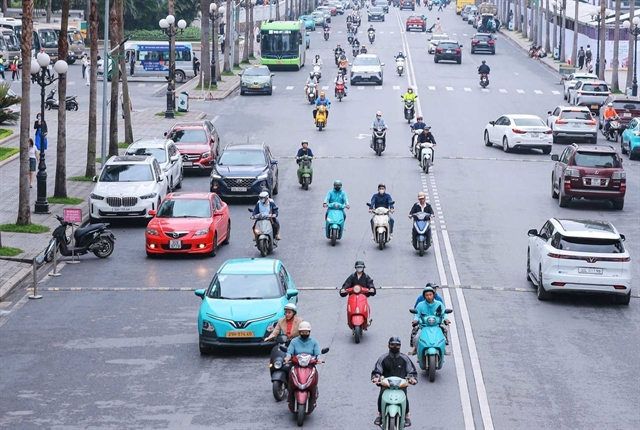
| Hà Nội to pilot a low-emission zone, gradually restricting petrol-powered vehicles on select central streets. — VNA/VNS Photo |
From July 1, Hà Nội will officially introduce a low-emission zone, restricting petrol-powered vehicles on 11 streets in Hoàn Kiếm Ward before expanding the scheme across the entire Ring Road 1 area. However, beyond the list of affected streets, detailed implementation plans and support measures for residents have yet to be clearly outlined, raising concerns about the city’s preparedness.
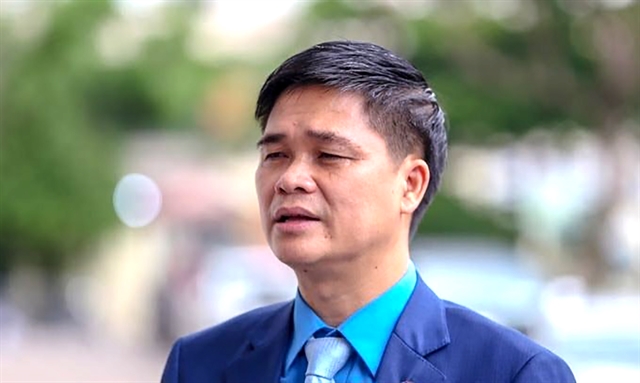
The VOV traffic channel of the Voice of Vietnam spoke with Hoàng Dương Tùng, Chairman of the Việt Nam Clean Air Network and former Deputy Director General of the Việt Nam Environment Administration under the Ministry of Natural Resources and Environment (now the Ministry of Agriculture and Environment), about what is needed to ensure the roadmap is implemented effectively.
As the urban core has dense traffic and heavy tourist flows, what concrete benefits would a low-emission zone (LEZ) bring to Hoàn Kiếm Ward?
The LEZ is already stipulated in the Capital Law, and its inclusion was based on assessments that it could help reduce pollution from transport.
It is important to note that an LEZ does not target all emission sources. It only restricts certain vehicles that fail to meet specified standards. By doing so, it can significantly reduce pollution from private vehicles, which are major contributors to urban air pollution.
For example, Hà Nội is planning, for the first time this year, to restrict petrol-powered vehicles, including those used by delivery drivers, from entering designated areas. Authorities are also considering tighter emission controls for petrol motorbikes and cars, allowing such vehicles to operate only during certain hours. These measures would help curb environmental pollution from personal transport.
However, the LEZ should not be viewed as a magic wand. It is only one of several measures needed to address air pollution.
What preparations and specific steps are required to ensure the effective implementation of the LEZ roadmap?
A comprehensive action programme is essential. Policies must be designed to minimise the impact on those travelling through or living within the zone.
In Việt Nam, motorbikes remain the dominant means of transport. Therefore, if petrol-powered motorbikes are to be restricted, appropriate and fair policies must be introduced to reduce the burden on affected residents.
Secondly, if a transition to electric vehicles is encouraged, the necessary infrastructure must be in place. This includes expanding charging stations and developing convenient battery-swapping systems.
Thirdly, logistics within the zone must be carefully organised to avoid disruption. Arrangements at the perimeter should ensure that goods circulation and essential services continue smoothly.
Equally important is strengthening public transport in the area. The ultimate objective of the LEZ is to reduce reliance on private vehicles and promote public transport. Without improvements in public transport capacity and convenience, the policy will struggle to achieve its intended goals.
The rollout in Hoàn Kiếm Ward is expected to serve as a pilot project before expansion across the entire Ring Road 1 area and beyond. What conditions are necessary for wider replication?
Hoàn Kiếm Ward was likely chosen because it offers relatively favourable conditions for a pilot. However, clear objectives must be set from the outset, along with measurable criteria for evaluation.
For instance, what forms of support will be provided to residents? Clear goals will help determine the necessary policies and define what constitutes success or failure for the project.
In implementing measures such as installing charging stations or reorganising logistics, practical challenges are inevitable. Plans must therefore anticipate these issues and include mechanisms to ensure that daily-life and business activities within the zone are not negatively affected.
Vehicle control is another critical matter. Authorities need to clarify how vehicles will be monitored, which types will be permitted or restricted, and what enforcement tools will be used. Identifying whether a vehicle is electric using camera systems alone is not straightforward.
The pilot phase should focus on testing these elements, identifying obstacles and making necessary adjustments. Only after thoroughly evaluating the results should the scheme be expanded to a wider area. — VNS
Opinion
 Opinion
 Opinion
 Opinion
 Opinion
 Opinion
 Opinion
 Opinion
 Opinion
 Opinion
 Opinion
 Opinion
 Opinion
 Opinion
 Opinion