 Opinion
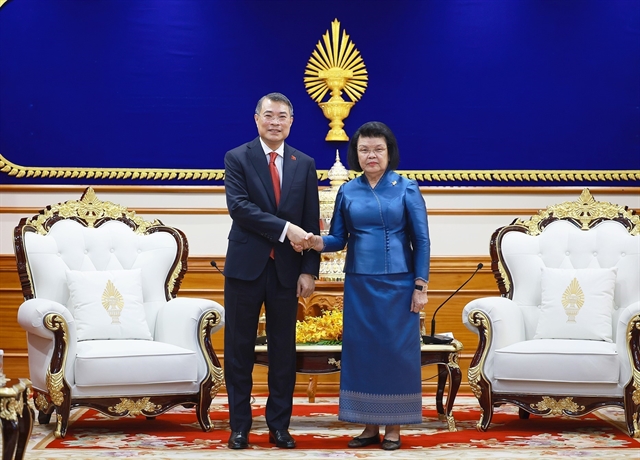
Vietnamese Prime Minister meets Cambodian National Assembly President
1.
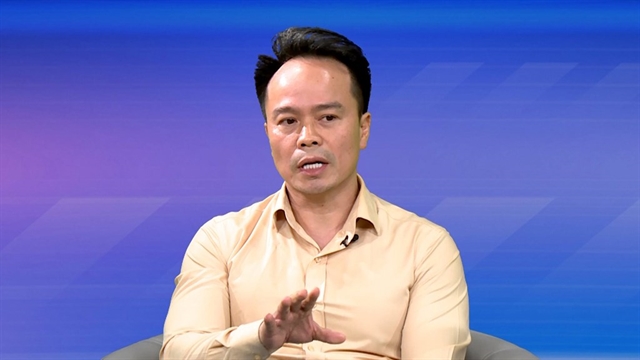 |
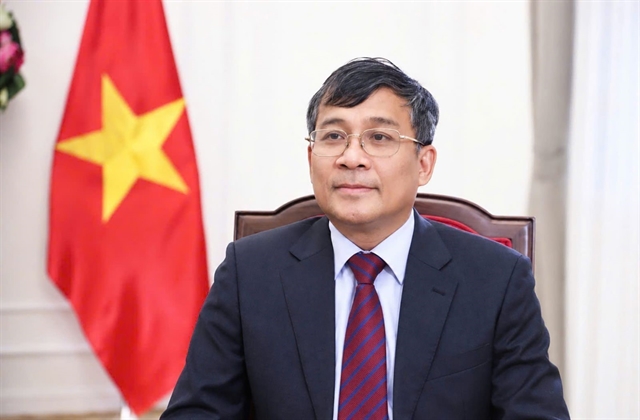
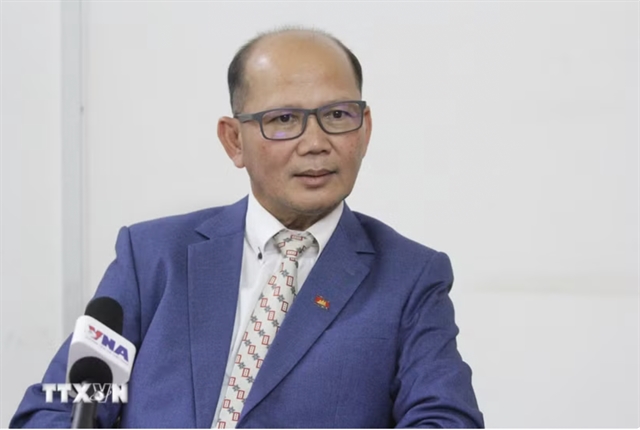
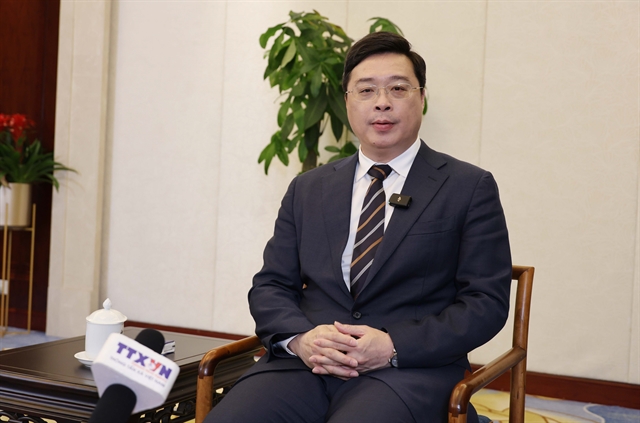
| Ngô Chung Khanh, Deputy director of the Multilateral Trade Policy Department under the Ministry of Industry and Trade. VNA/VNS Photo |
As Việt Nam advances rapidly in international economic integration, each new free trade agreement not only opens up fresh development opportunities but also places higher demands on the competence, resilience and strategic vision of its negotiating corps.
In an interview with Công Thương (Industry and Trade) newspaper, Ngô Chung Khanh, Deputy Director of the Multilateral Trade Policy Department under the Ministry of Industry and Trade, stressed the need to build a strong pipeline of next-generation negotiators equipped with the skills and mindset required for deeper global integration.
From a managerial perspective and based on your direct observation of negotiation teams, how would you assess the growth of young negotiators in the department? Is there any particular story that impressed you most?
Today’s requirements for officials are comprehensive. It is no longer just about professional expertise but also soft skills, communication, relationship-building and negotiation capabilities. As work becomes more complex, these skills are increasingly critical.
From a policy standpoint, the leadership of the multilateral sector has consistently emphasised the need for a structured training strategy to build a capable successor generation. In practice, this begins with careful recruitment to ensure high-quality inputs, followed by holistic training, both theoretical and practical, delivered through domestic and international programmes.
More importantly, officials must be tested in real-world settings. No matter how strong their training, reality always presents differences. At first, young officials may feel uncertain, but they adapt quickly, showing a strong willingness to learn and an impressive capacity to absorb new knowledge.
With a young, capable and motivated workforce, the time needed to build a high-quality negotiation team can be significantly shortened. This factor is essential as the number of FTAs continues to grow and demands for international economic integration intensify.
Each official has their own strengths. However, the shared goal is to reach international standards. We also encourage learning from partners, such as Singapore’s approach to training and utilising young officials.
A key principle is never to be satisfied with current achievements. Completing a task well is only the beginning. Continuous improvement is essential to meet higher future demands.
What roles are young officials currently taking on in the negotiation process? Which challenges still require more time and experience before they can take the lead?
Task assignments depend on each individual’s capabilities and experience, but the overarching principle is to involve them throughout the entire process, from data collection and synthesis to content development, report drafting and participation in key documents.
Even submissions to the Prime Minister or higher authorities involve young officials at various stages, under close guidance. However, documents requiring high-level synthesis, complex information processing and practical experience still demand time to master.
Our approach is that mistakes are part of the learning process. Correcting them helps improve competence. This is, in fact, a highly effective training method.
For particularly critical or urgent tasks, senior leaders or experienced officials usually take direct responsibility.
Looking ahead, I expect more young officials to develop the capacity to handle complex assignments, forming a strong and reliable successor force for the Ministry of Industry and Trade.
When dealing with complex, technical provisions or issues involving multiple interests, what skills do young officials still need to strengthen?
The most evident area for improvement is analytical and synthesising capabilities. A national-level report requires diverse sources of information, so officials must read extensively, accumulate knowledge and proactively connect both domestic and international data sources.
The working environment is also highly diverse. Bilateral negotiations differ from multilateral ones. Being a participant differs from taking a leading role. When Việt Nam assumes roles such as Chair of CPTPP 2026, the demands increase significantly, not only preparing national positions but also coordinating collective outcomes.
Such high-pressure environments, however, provide valuable opportunities for rapid growth. Real-world experience, especially in emerging fields like the digital economy, environment and sustainable development, helps build comprehensive capabilities.
In emerging areas such as the digital economy, sustainability and environmental standards, where domestic capacity may lag behind, what disadvantages could Việt Nam face in negotiations? How might these affect businesses and the economy in the long term?
As a developing country, Việt Nam still faces capacity limitations in certain areas. In next-generation FTAs, many provisions go beyond existing domestic regulations or the readiness of businesses to meet international standards.
In the past, Việt Nam could negotiate transition periods of five to seven years or longer. However, as the country’s position has improved, partners now tend to shorten these timelines to around three years or even require immediate implementation.
This creates significant pressure, particularly in agreements such as the CPTPP, EVFTA and UKVFTA, which include new commitments on sustainable development, government procurement and state-owned enterprises.
However, a closer examination shows that despite initial challenges, these commitments align with a long-term development trajectory. After nearly seven years of CPTPP implementation and almost six years of EVFTA, the outcomes have been largely positive.
They have helped make institutions more transparent and predictable while creating a more favourable business environment for investment and operations. This aligns closely with the Party and State’s strategic direction, especially in transitioning toward a digital and sustainable development model.
Of course, challenges remain. Yet Việt Nam is increasingly confident and proactive in regional and global integration, ready to cooperate with all partners.
Notably, through successfully hosting activities as Chair of CPTPP 2026, Việt Nam is gradually setting new standards in organisation, coordination and governance, earning strong recognition and positive impressions from international partners.
What message would you like to send to the younger generation of officials?
The previous generation will gradually hand over responsibilities, and young officials are the successors. They should take pride in the tradition of their unit and fully recognise their role in advancing the country's international economic integration.
Most importantly, never be complacent. Continuously learn, improve and challenge yourself. Only then can young officials grow and gradually meet international standards. — VNS
Opinion
 Opinion
 Opinion
 Opinion
 Opinion
 Opinion
 Opinion
 Opinion
 Opinion
 Opinion
 Opinion
 Opinion
 Opinion
 Opinion
 Opinion