 Opinion
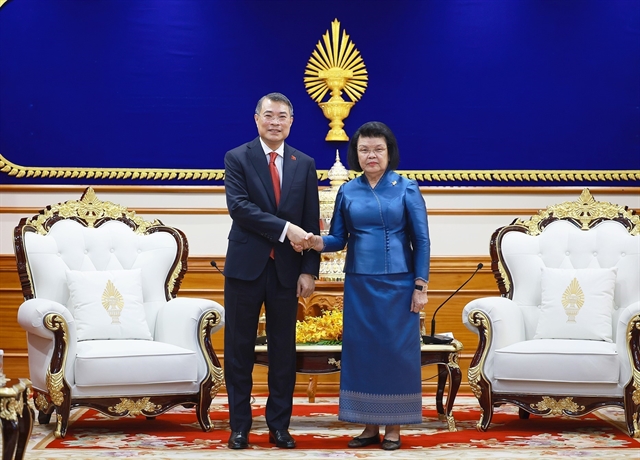
Vietnamese Prime Minister meets Cambodian National Assembly President
1.
 |
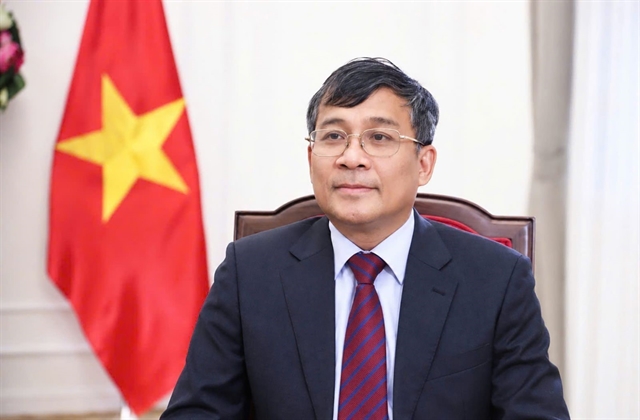
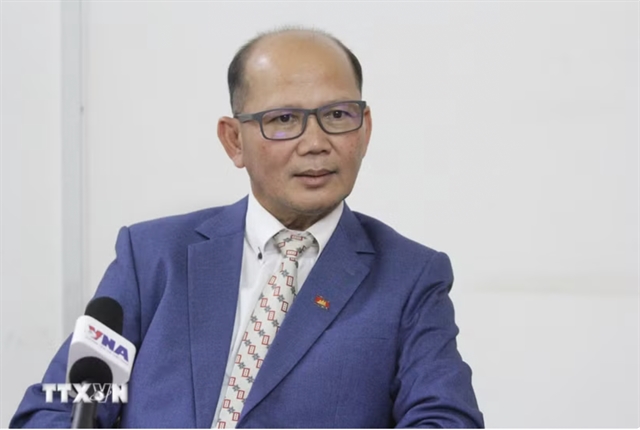
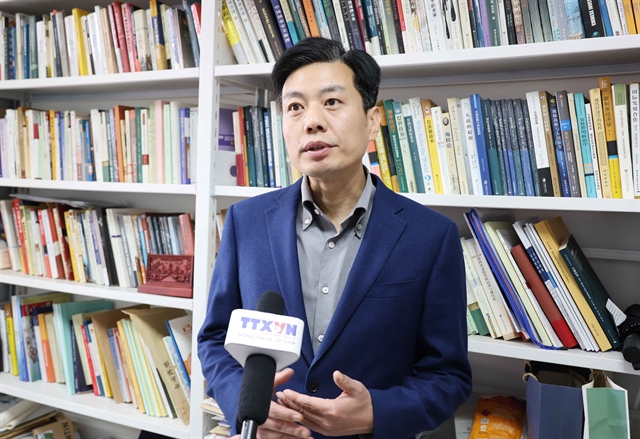
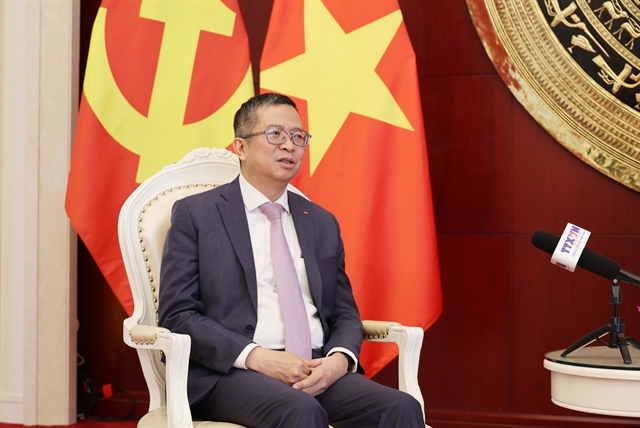
| Dr. Zokhris Idris, senior researcher in international relations at Universiti Malaya. — VNA/VNS Photo Thành Trung |
KUALA LUMPUR — Mounting geopolitical tensions in the Middle East are increasingly feeding into Việt Nam’s day-to-day socio-economic landscape, posing a pressing challenge for policymakers striving to sustain growth amid soaring fuel costs, according to a Malaysian researcher.
In an interview with a Vietnam News Agency correspondent in Kuala Lumpur, Dr. Zokhris Idris, senior researcher in international relations at Universiti Malaya, said escalating instability and unprecedented energy security pressures are forcing countries worldwide to overhaul their energy supply structures.
In Việt Nam, about 40 per cent of fuel demand is estimated to be directly affected, prompting businesses and authorities to recalibrate import strategies. Higher fuel prices are driving up production costs and weighing heavily on workers dependent on personal transport, particularly ride-hailing drivers who are highly exposed to market volatility.
At the same time, inflation and a slowdown in tourism due to disrupted air travel are dragging on regional growth, projected at 4.2 per cent. Experts have also cautioned that prolonged conflicts and supply bottlenecks could put significant strain on fuel reserves.
Regionally, Malaysia, an influential player in ASEAN’s oil and gas sector, has introduced “buffer measures” such as fuel subsidies and remote working arrangements in the public sector to ease immediate pressures. Over the medium term, however, it acknowledges a shift to market-based pricing is unavoidable and is leveraging this transition to accelerate renewable energy development and cut reliance on fossil fuels.
Against this backdrop, Việt Nam is stepping up efforts to strengthen resilience by restructuring its energy mix. The country is gradually scaling back coal dependence while ramping up wind and solar power, alongside prioritising upgrades to transmission infrastructure and boosting regional cooperation, particularly through the ASEAN Power Grid.
Việt Nam is also advancing research into the peaceful use of nuclear energy through closer collaboration with the International Atomic Energy Agency and leading technology partners, with a view to diversifying long-term energy sources.
Looking ahead, Idris warned that the world is entering a period of volatility, with flashpoints such as the Strait of Hormuz and the wider Middle East unlikely to stabilise soon. For developing and middle-income economies like Việt Nam, renewable energy is becoming an imperative as traditional energy sources offer no guaranteed stability.
He stressed that current disruptions, while challenging, could also accelerate the shift towards greener growth. To bolster resilience, Việt Nam needs a well-structured and regularly updated national energy strategy, alongside deeper engagement in regional renewable energy initiatives to share risks and optimise resources.
Balancing energy affordability with green transition goals remains a complex but necessary task to safeguard national security and ensure sustainable development in an increasingly uncertain global environment.
Experts agree that energy security today extends beyond supply stability to include adaptability and technological self-reliance in clean energy. With proactive integration and sustained investment in renewables, Việt Nam is well positioned to turn external pressures into an opportunity to drive a greener, more resilient economic transformation. — VNA/VNS
Opinion
 Opinion
 Opinion
 Opinion
 Opinion
 Opinion
 Opinion
 Opinion
 Opinion
 Opinion
 Opinion
 Opinion
 Opinion
 Opinion
 Opinion