An Giang builds momentum for border-gate economy with logistics, transport links
1.
|
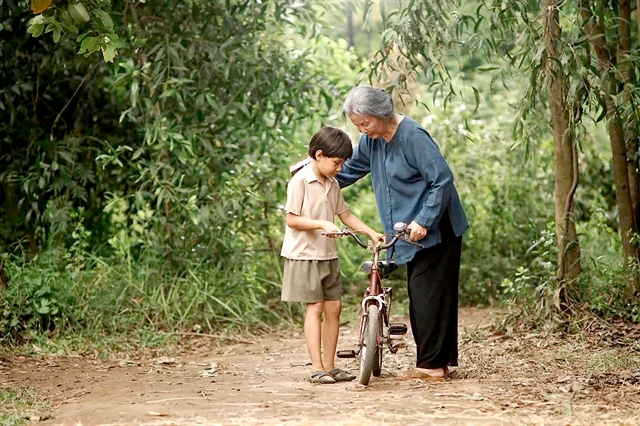
| A scene of "The Naked World" animation. — Photo courtesy of the distributor |
HÀ NỘI — Vietnamese filmmakers are turning artificial intelligence (AI) from an emergency fix into a production tool, replacing actors in special cases and testing new ways to build visual worlds.
AI in Vietnamese film
AI first made headlines in Vietnamese cinema as a way to resolve production problems. In 2025, the Chốt Đơn (Deal!) team swapped out the female lead’s image to get the film into cinemas. In September, the Mãi Nợ Một Lời Tạm Biệt (Chrysalis) crew used AI and computer-generated imagery (CGI) to replace an actress embroiled in a scandal.
Filmmakers are now incorporating AI into their production processes. In September 2026, TFS film studio and HCM City Radio and Television Station (HTV) unveiled Bãi Săn (The Hunting Ground), billed as featuring entirely AI-generated visuals. In early October, director Nguyễn Quang Dũng’s animated Thế Giới Trần Trụi (The Naked World) drew attention for its use of advanced production technologies, including AI. Hộ Linh Tráng Sĩ: Bí Ẩn Mộ Vua Đinh (Spirit Guardians: The Last Secret of the First Emperor), released for the September 2 holiday, also carries an AI imprint.
Nguyễn Trọng Khoa, Head of the Digital Film Production Faculty at RMIT University Vietnam, said AI can help reduce costs in visual development, previsualisation, animation, visual effects and other resource-intensive stages of production. It lets Vietnamese filmmakers test bold ideas, build worlds, create creatures and simulate action before committing to costly production.
The benefits extend beyond feature films to advertising, brand storytelling, short films, music videos, pitch trailers and online series, he said.
Inevitable shift
Director of the Cinema Department Đặng Trần Cường said the priority is to guide the use of new technology rather than restrict it. He wants AI to expand human creativity, not replace human responsibility. Cost cuts and faster workflows are welcome, but creators and distributors remain responsible for the final product.
Whether conventionally produced or made using AI, films must comply with legal requirements on content, classification, copyright and related rights, particularly those concerning the protection of minors, he said.
Khoa observed that success should not be measured by the extent to which AI is used, but by whether this technology contributes to improving storytelling, broadening creative possibilities and supporting the sustainable development of Vietnamese filmmaking. — OVN/VNS
 Life & Style
 Life & Style
 Life & Style
 Life & Style
 Life & Style
 Life & Style
 Life & Style
 Life & Style
 Life & Style
 Life & Style
 Life & Style
 Life & Style
 Life & Style
 Life & Style