 Life & Style
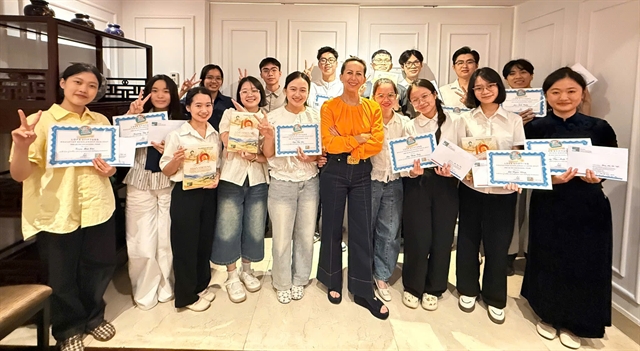
LOAN Foundation awards scholarships to disadvantaged students on 10th anniversary
1.
PHÚ THỌ — Digital transformation is emerging as an important solution to preserve and promote traditional cultural values at risk of fading, including Mo Mường, a national intangible cultural heritage closely associated with the spiritual life of the Mường ethnic minority community.
Risk of fading
|
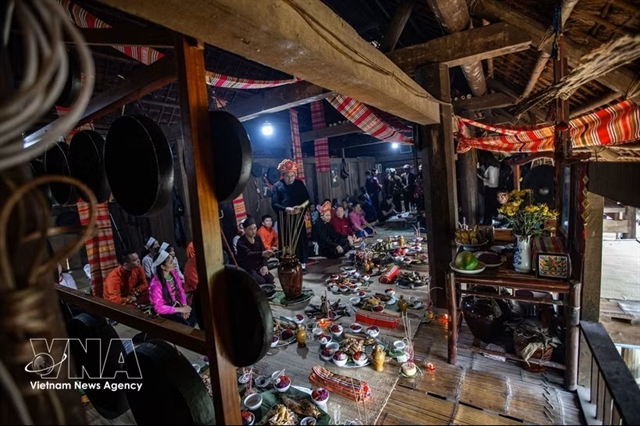
| Mo Mường is a national intangible cultural heritage closely associated with the spiritual life of the Mường ethnic minority community. — VNA/VNS Photo |
The Political Bureau’s Resolution No. 80-NQ/TW on the development of Vietnamese culture sets the goal of digitising all nationally recognised cultural heritages by 2026 and further completing the process by 2030. The policy provides a clear direction for bringing traditional cultural values into the digital space and enhancing heritage preservation and promotion.
In Mường areas of the northern province of Phú Thọ, including Thượng Cốc and Đại Đồng communes and localities formerly belonging to the Mường Vang and Mường Động regions, Mo Mường remains a part of the local cultural and spiritual life. Recited during traditional rituals, Mo verses carry not only spiritual significance but also folk knowledge about the community's history, customs, and the ways of life of the Mường people passed down through generations.
People’s Artisan Bùi Văn Minh in Thượng Cốc commune said that for the Mường people, Mo chants are more than ritual prayers, serving as repositories of the community’s cultural memory. Artisans therefore place great importance on preserving both the chants and the spaces where they are practised.
However, most Mo chants continue to be transmitted orally, while many knowledgeable artisans are elderly and have few young successors. Changes in social life have also reduced the frequency of traditional rituals, limiting opportunities to practise and perform Mo Mường.
Minh said these are major challenges to Mo Mường preservation, as much valuable folk knowledge remains largely preserved through the memory and experience of artisans.
In response, many localities in Phú Thọ have stepped up the collection, recording, filming and archiving of materials related to Mo Mường. The application of digital technology is expected to help preserve traditional cultural values while enabling wider public access to the heritage.
Taking heritage into digital space
Many artisans are now proactively using smartphones and recording equipment to document rituals. The resulting images and videos are stored or shared on digital platforms, helping promote and spread the heritage while enabling more people to learn about and access Mường culture.
Minh said recording rituals and sharing them on platforms such as Zalo and Facebook not only helps preserve and archive materials but also provides those interested in learning Mo Mường practices with additional reference resources. This helps spread the traditional cultural values of the Mường community more widely.
Beyond promotion, digitisation can create data resources for future research, study and transmission of the heritage. However, the process faces difficulties as many artisans who directly preserve and practise the heritage lack adequate digital knowledge and skills.
Mo Mường artisan Bùi Văn Hùng in Đại Đồng commune said training and guidance provided by the culture sector and specialised agencies have helped artisans gradually access digital technology to preserve and promote Mo Mường.
Experts said heritage digitisation should go beyond recording and filming and be carried out systematically and scientifically while ensuring the originality and authenticity of the heritage. This is an important basis for building a long-term database serving the management, research, preservation and promotion of cultural values.
Folklore researcher Bùi Huy Vọng said the digitisation of Mo Mường should be treated as a long-term task to preserve and promote traditional cultural values in modern life. He called for greater focus on digitising the ritual to ensure its valuable heritage is passed on to future generations. — VNA/VNS
Life & Style
 Life & Style
 Life & Style
 Life & Style
 Life & Style
 Life & Style
 Life & Style
.jfif) Life & Style
Life & Style
.jpeg) Life & Style
Life & Style
 Life & Style
 Life & Style
 Life & Style
 Life & Style
 Life & Style
 Life & Style
.jpg)