 Life & Style
Int’l cooperation helps address nuclear power workforce shortages
1.
|
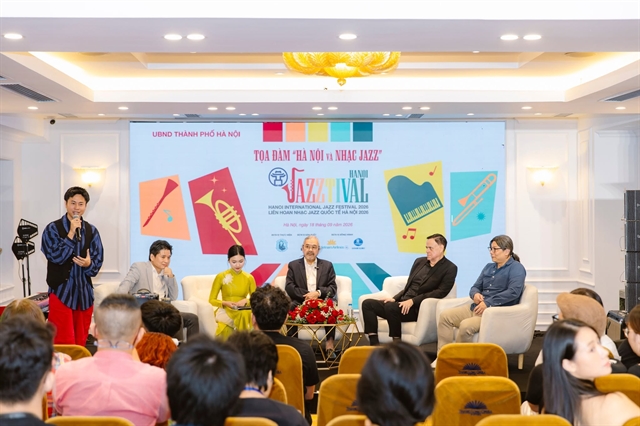
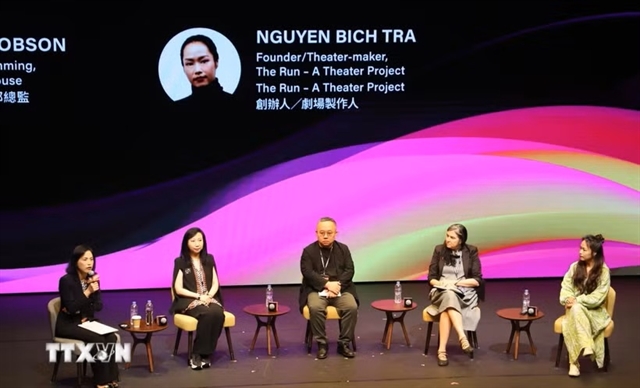
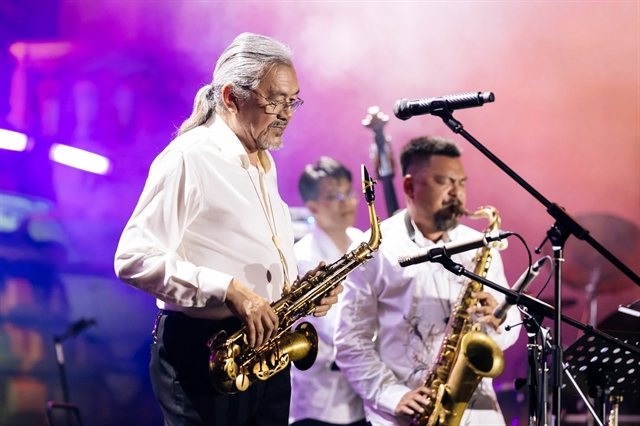
| Speakers at the Hà Nội and Jazz seminar on September 18. — Photos courtesy of organisers |
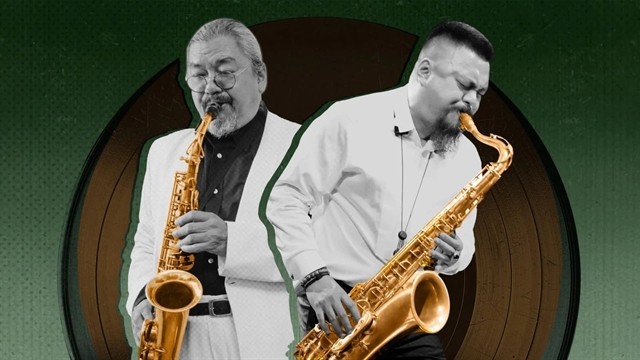
HÀ NỘI — The Hà Nội and Jazz seminar has offered profound insights into the evolution of jazz in Việt Nam but also outlined a crucial strategic direction to establish the city as a regional jazz hub, contributing to the sustainable development of the capital's cultural industry.
As an activity of the ongoing international Hà Nội Jazztival 2026, the seminar, held on September 18, featured Vietnamese and international artists who agreed that, jazz is a popular genre of music, yet it was not easily appreciated at first listen.
People's Artist and singer Tấn Minh said both artists and listeners needed time to understand and truly sink in jazz. In Việt Nam, a jazz community was gradually taking shape, and it was great to see so many young people seeking opportunities to learn and grow through the genre.
As a long-time jazz figure and one of the Vietnamese artists who laid the foundation for the genre in the country, Meritorious Artist Quyền Văn Minh noted that, in the past, artists primarily performed jazz at five-star hotels to cater to international guests.
Today, following years of effort by numerous independent artists, a distinct Vietnamese jazz style emerged with the most notably characterised by the incorporation of indigenous traditional musical elements into the modern jazz.
|
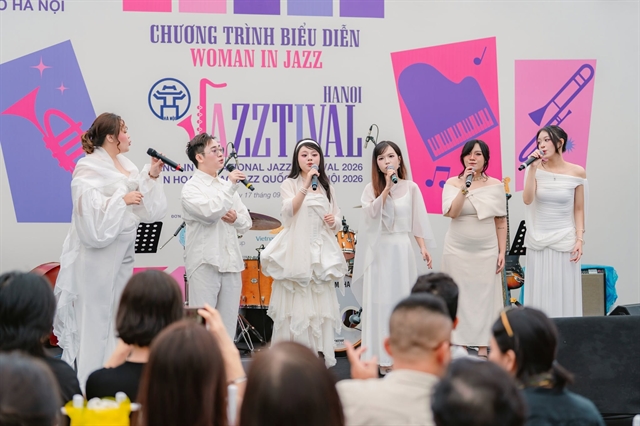
| Artists perform in the Women in Jazz, one of different events of the Hà Nội Jazztival 2026. |
Minh said he tried hard to add typical characters of Vietnamese traditional music genres such as xẩm (blind busker singing), ca trù (ceremonial singing), and chèo (traditional opera) into jazz. After years of researching and testing, he composed jazz pieces infused with a Vietnamese spirit, allowing listeners to experience traditional melodies performed in an improvisational jazz style.
“We are proud that, by now, there is a form of Vietnamese jazz that embodies our national identity and soul," said Minh.
"I see many young artists following in my footsteps and developing jazz in this direction, incorporating traditional elements and melodies into their performances. There are also composers, such as Giáng Son, who create songs with distinct blues influences. This demonstrates that jazz has become a natural part of the Vietnamese musical landscape.”
David Carlos Valdez, an American expat living in Việt Nam for four years, spoke enthusiastically about the magic and diversity of contemporary Vietnamese jazz, a scene rapidly evolving in multiple directions, from free jazz and fusion to Latin-infused takes on pop and bolero.
Valdez who moved from Đà Nẵng to Hà Nội last year, said the common point between jazz and Hà Nội lied in a spirit of openness, dialogue, and ceaseless creativity because as jazz emerged from the confluence of diverse cultures, Hà Nội has been shaped by layers of culture, history, and memory.
Lifting Hà Nội in international community
As the national centre of culture with more than 1,000 years of civilisation and abundant creative energy, Hà Nội is said to be potential and have opportunities to become an destination for international arts including jazz. However, it is necessary to build a synchronised and sustainable jazz ecosystem.
|
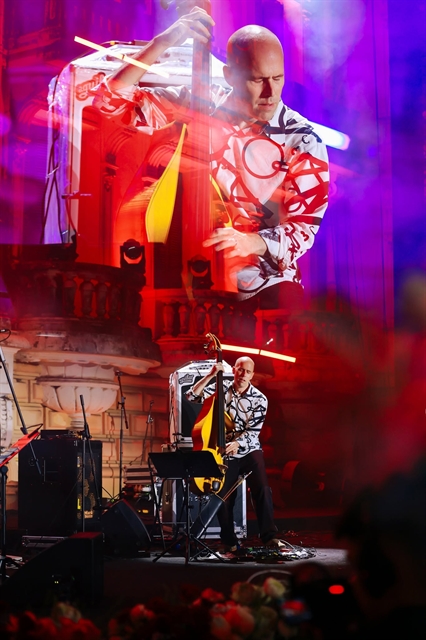
| Vietnamese-French guitarist Nguyên Lê takes part in the festival opening ceremony on September 17. |
According to artist Minh, achieving this requires moving beyond isolated shows and embedding performance within interactive public settings.
While Hà Nội currently hosted regular free weekend performances under the Community Music programme at the Octagon House, featuring Minh and the Sông Hồng band, a single venue simply isn't enough.
“Around the Hoàn Kiếm Lake pedestrian zone, we can set up from three to four stages. They are places for clubs, students and music lovers to perform their jazz and also space for audience to enjoy music," said Minh.
Dr Stan BH Tan-Tangbau from Singapore, who has spent a lot of time studying Vietnamese music, said Việt Nam created great opportunity for people to know more about jazz through free events with the Hà Nội Jazztival a typical example.
This was an appealing and novel offering capable of attracting international audiences to Hà Nội and Việt Nam as a whole, especially given that attending jazz performances abroad typically required paid tickets.
Thanks to the current efforts, the city could well become a compelling international jazz destination in the future, he said.
All speakers agreed that a major obstacle to the growth of jazz is the shortage of skilled talent and specialised training.
Valdez said the key point was the development of a new generation of artists, particularly bassists, guitarists, arrangers, and young composers.
|
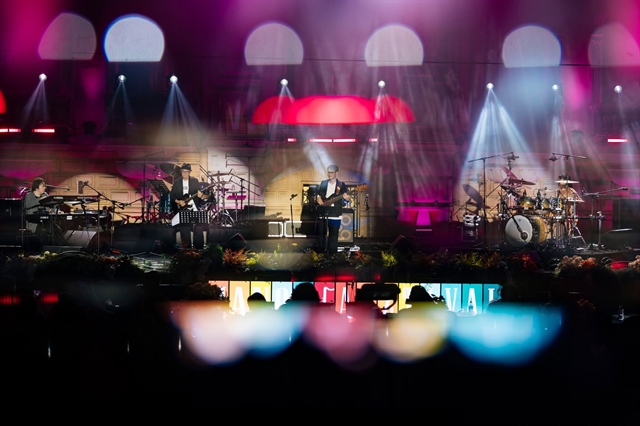
| Local and international artists brings their jazz style to entertain Vietnamese people and tourists on September 17-19. |
Currently, many talented Vietnamese musicians were studying or working in the US and rarely returned home. Therefore, creating a favourable working environment and opportunities for domestic career growth to attract them back and encourage them to contribute was of utmost importance.
Speakers also highlighted the rapid advancement of technology, noting how AI is making a profound impact across all fields, including the arts, and pressing artists to adapt to stay ahead.
Musician Dương Cầm emphasised that artists must continuously hone their craft and build a multifaceted skill set – composing, performing, playing instruments, and producing music – all while forging a distinctive personal style.
Echoing this view, Dr Stan argued that artist-led initiative, paired with cohesive city policies on audience development, performance infrastructure, and talent training, holds the key to Hà Nội’s breakthrough as a regional jazz hub and will firmly solidify the capital's position in the cultural industry. — VNS
Life & Style
 Life & Style
 Life & Style
 Life & Style
 Life & Style
 Life & Style
 Life & Style
 Life & Style
 Life & Style
 Life & Style
 Life & Style
 Life & Style
.jpg) Life & Style
Life & Style
 Life & Style
 Life & Style