 Life & Style
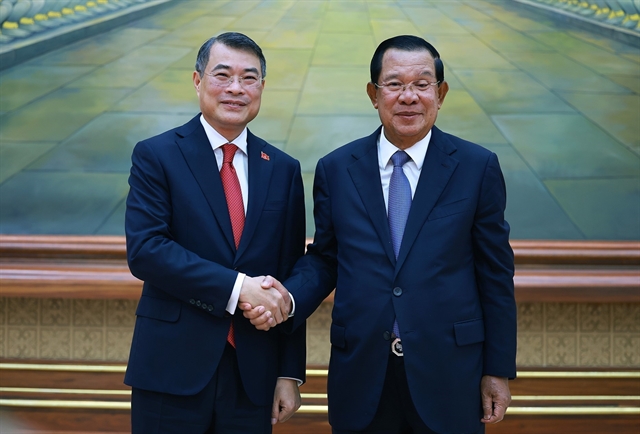
Vietnamese Prime Minister meets Cambodian National Assembly President
1.
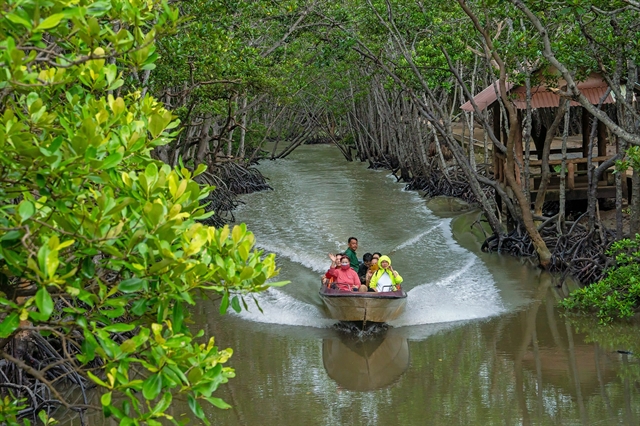 |
| Cần Giờ is being positioned as a future international marine ecotourism hub built on green and sustainable development. — Photo arttimes.vn |
HCM CITY — With its vast mangrove forests, coastal advantages and strategic location linking HCM City with the southeastern region, Cần Giờ is being positioned as a future international marine ecotourism hub built on sustainable development.
Director of the HCM City Institute for Economic and Management Research, Dr Trần Quang Thắng described the area not only as a “green shield” protecting HCM City from the impacts of climate change, but also as a valuable asset for developing ecotourism, resort tourism and environmental education.
According to Thắng, as global tourism increasingly shifts towards green experiences, nature-based travel and sustainability, Cần Giờ has favourable conditions to establish a unique competitive advantage over other destinations in the region.
He noted that world-famous tourism models such as Sentosa, Dubai and Las Vegas offer valuable lessons in planning, infrastructure development, and the creation of large-scale tourism and entertainment ecosystems.
However, he stressed that Cần Giờ should not simply copy those models, but should instead develop its own identity based on mangrove ecology, coastal resources and southern Vietnamese culture.
“Cần Giờ does not need to become another Dubai or Las Vegas. It must tell its own story through ecological resources and indigenous culture. That is its long-term competitive advantage,” Thắng said.
He added that instead of pursuing rapid and large-scale expansion, Cần Giờ should prioritise a green growth model balancing economic development with ecosystem conservation.
Tourism projects should aim to minimise environmental impacts, expand green spaces, and maintain harmony with nature.
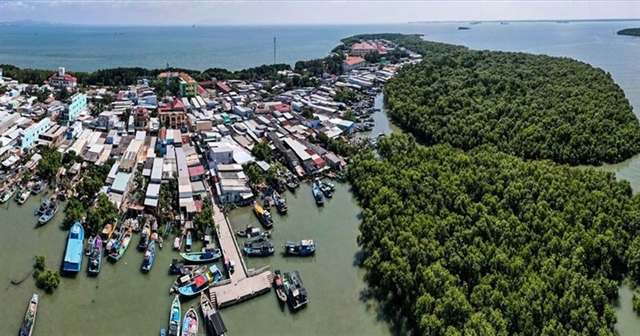 |
| Cần Giờ is a “strategic piece” in the city’s tourism development orientation in the coming years. — Photo laodong.vn |
The deputy director of the HCM City Institute for Economic and Tourism Research, Dr Dương Đức Minh, said tourists today are no longer seeking simple resort experiences, but increasingly value green experiences, culturally rich products and sustainable values.
He noted that most visitors are already willing to travel to Cần Giờ, but the district itself must be ready to welcome them with high-quality, distinctive and environmentally friendly tourism products.
According to Minh, the most important task is to build the image of a unique destination that does not overlap with other tourism destinations, utilising its mangrove ecosystem.
He also proposed expanding specialised ecotourism routes, fishermen’s lifestyle experiences, environmental education activities, community tourism and tourism products linked to southern Vietnamese culture.
At the same time, Cần Giờ should create iconic and highly recognisable products such as high-end ecological resorts, green souvenir products, wellness tourism experiences and sustainable lifestyle activities.
Deputy general director of Vietravel, Huỳnh Phan Phương Hoàng described Cần Giờ as a “strategic piece” in the city’s tourism development orientation in the coming years.
She said HCM City’s tourism sector is expected to maintain its leading position nationwide in 2025, with revenue surpassing VNĐ278 trillion (US$10.5 billion), around 46 million domestic tourists and 8.6 million international visitors.
However, growth pressure would become increasingly significant if the city failed to expand experiential spaces and develop new tourism products.
“At present, tourism products in the central area still mainly revolve around cuisine, shopping, culture and events. The city lacks large-scale resort spaces and integrated entertainment complexes capable of encouraging longer visitor stays. This is precisely the gap Cần Giờ can fill,” Hoàng said.
With its advantages in coastal resources, mangrove forests and rare ecological landscapes, Cần Giờ could develop high-end resorts, wellness tourism, waterway tourism, marine sports, community tourism and a coastal night-time economy, she added.
However, she stressed that transport infrastructure must be upgraded in a more synchronised manner, especially routes connecting central HCM City with Cần Giờ, in order to shorten travel times, improve visitor experiences and encourage long-term investment.
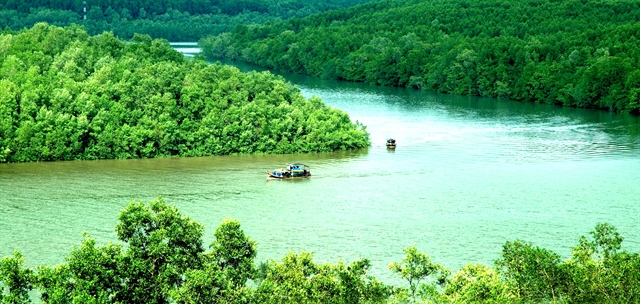 |
| Cần Giờ must receive methodical investment in infrastructure, services and iconic projects. — Photo tphcm.chinhphu.vn |
Director of the HCM City Department of Tourism Phạm Huy Bình said Cần Giờ plays a particularly important role in the city’s strategy to expand urban development in a green and sustainable direction.
According to Bình, HCM City not only requires new growth drivers but also needs development spaces capable of generating long-term value rather than continuing to expand under traditional urban models.
“Cần Giờ is not merely a tourism resource but also a strategic ecological space for the city. Once regional transport infrastructure, Long Thành Airport and sea transport routes are completed, the district will become an important link in the city’s new economic, tourism and logistics network,” Bình said.
He added that besides infrastructure investment, the city also needs more flexible mechanisms to attract businesses in real estate, tourism and services to develop large-scale resort, entertainment and ecotourism complexes.
Marketing director of Vinpearl Nguyễn Thị Hòa said global tourism trends are increasingly shifting towards the “mega-destination” model, where visitors can experience accommodation, entertainment, shopping and wellness services within a single ecosystem.
She said that to compete with regional destinations, Cần Giờ must receive methodical investment in infrastructure, services and iconic projects.
Among them, the Vinhomes Green Paradise project is being developed under an “integrated city” model combining accommodation, resorts, commerce, entertainment and wellness services within a large-scale ecosystem. — VNS
Life & Style
 Life & Style
 Life & Style
 Life & Style
 Life & Style
 Life & Style
.jpg) Life & Style
Life & Style
 Life & Style
 Life & Style
 Life & Style
 Life & Style
 Life & Style
 Life & Style
 Life & Style
 Life & Style