 Life & Style
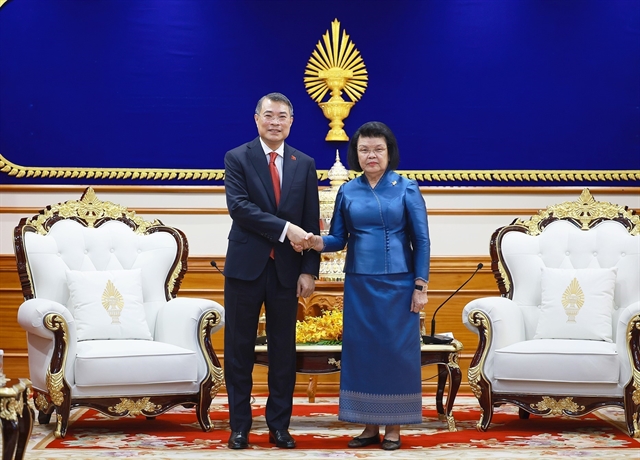
Vietnamese Prime Minister meets Cambodian National Assembly President
1.
|
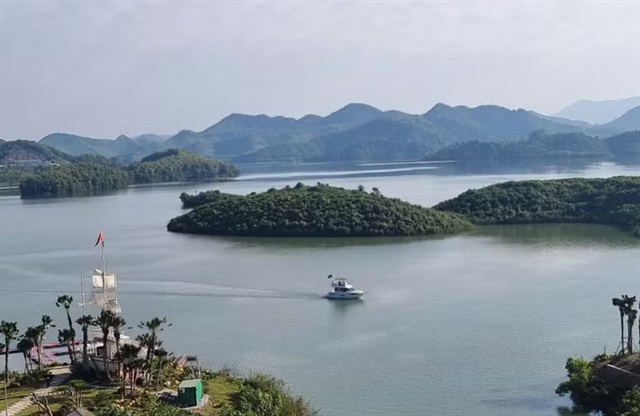
| Núi Cốc Lake, a standout destination in Thái Nguyên Province. — VNA/VNS Photo |
THÁI NGUYÊN — In its next development phase, Thái Nguyên Province is positioning tourism as a key economic pillar to drive structural transformation, create jobs, improve livelihoods, and preserve the distinctive cultural, historical and natural values of the land known as the “tea capital”.
Following its administrative merger with Bắc Kạn Province, Thái Nguyên boasts diverse terrain and abundant tourism potential, with a wide range of natural and cultural attractions. Bordering Hà Nội, Phú Thọ, Tuyên Quang, Lạng Sơn, Cao Bằng and Bắc Ninh, it enjoys strong connectivity with tourism circuits across the capital region, Việt Bắc and the Northeast.
Rich natural resources support the development of wellness, sports and resort tourism. Standout destinations include Núi Cốc Lake, spanning around 2,500 ha and being developed into a multi-purpose tourism complex, and Ba Bể Lake, a 500-ha freshwater lake surrounded by primary forest and cave systems, offering dramatic landscapes and rich ethnic cultural heritage from Tày, Nùng and Dao communities.
The province is also home to 69 natural and man-made lakes such as Nặm Cắt, Suối Lạnh, Vai Miếu and Ghềnh Chè, ideal for eco-tourism, weekend getaways and water sports. Limestone mountain ranges stretching across Đồng Hỷ, Võ Nhai and Phú Lương create striking landscapes of peaks, valleys and caves, while renowned tea-growing areas including Tân Cương, Trại Cài, La Bằng, Phú Đô and Vô Tranh offer both economic value and immersive agro-tourism experiences.
Special-use forests such as Thần Sa - Phượng Hoàng, Kim Hỷ and Nam Xuân Lạc, together with rivers including Công, Cầu and Năng, form a rich ecological network suitable for river-based tourism, community-based eco-tourism and year-round retreats.
Thái Nguyên also boasts a wealth of cultural heritage, with three special national relic sites, 67 national relics, 323 provincial sites and 45 recognised national intangible cultural heritage elements. Traditional art forms such as Then singing, Soọng Cô, Tắc Xình dance and Dao Cấp sắc (Coming-of-Age) ritual contribute to distinctive cultural identity with strong tourism appeal.
According to Trần Nữ Ngọc Anh, Vice Chairwoman of the provincial Tourism Association, the sector has made notable progress in recent years, gradually strengthening its position in the northern midland and mountainous region. In the first quarter of 2026 alone, the province welcomed over 900,000 visitors, with destinations such as Tân Cương tea hills, ATK Định Hóa, Núi Cốc Lake and Ba Bể Lake continuing to draw crowds.
The province now has more than 300 accommodation facilities and dozens of travel and tourism service providers, generating employment for thousands of workers. Businesses are increasingly innovating, developing products linked to local strengths such as tea tourism, eco-tourism, community-based tourism and heritage travel, while gradually adopting digital technologies to enhance promotion and operations.
For 2026–2030, Thái Nguyên aims for sustainable, creative and competitive tourism development, focusing on building a modern, integrated tourism ecosystem. The province targets at least 12 million visitors by 2030, including 11 million domestic and 1 million international arrivals, with tourism revenue exceeding VNĐ25 trillion (US$494 million) annually and around 10,000 jobs created.
To achieve these goals, Thái Nguyên is prioritising the development of Núi Cốc Lake and Ba Bể Lake into flagship tourism hubs offering high-end eco-resort and entertainment products, while promoting community-based tourism, green tourism, the night-time economy and digital transformation to enhance visitor experiences and extend stays. Key products will include tea-based agro-tourism, cultural and spiritual tourism, and high-end eco-resorts, including those along the eastern slopes of Tam Đảo.
Since early 2026, the province has accelerated planning for major tourism zones in a modern, integrated direction, while prioritising strategic investors for large-scale projects such as luxury resorts, 4–5 star hotels, golf courses and entertainment complexes.
At the same time, major transport infrastructure projects are being rolled out, including routes linking Núi Cốc Lake with the eastern slopes of Tam Đảo, the Bắc Kạn–Ba Bể–Na Hang (Tuyên Quang province) corridor, as well as ring roads and expressways. Once completed, these projects are expected to cut down travel times, enable integrated tourism routes and strengthen connectivity between the province’s key destinations. — VNA/VNS
Life & Style
 Life & Style
 Life & Style
 Life & Style
 Life & Style
 Life & Style
 Life & Style
 Life & Style
 Life & Style
 Life & Style
 Life & Style
 Life & Style
 Life & Style
.jpg) Life & Style
Life & Style
 Life & Style