 Economy


Top Vietnamese leader meets with Belgian Senate Speaker, House President
1.
|
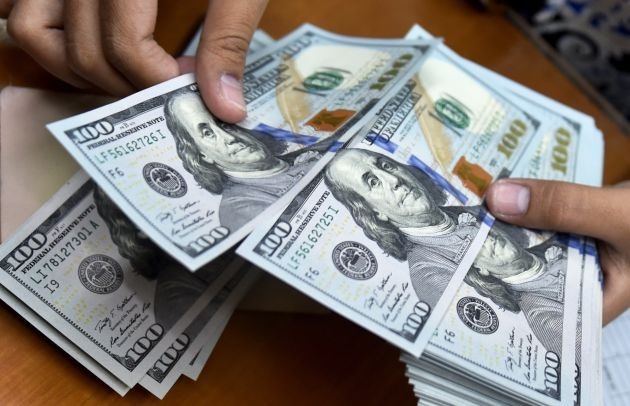
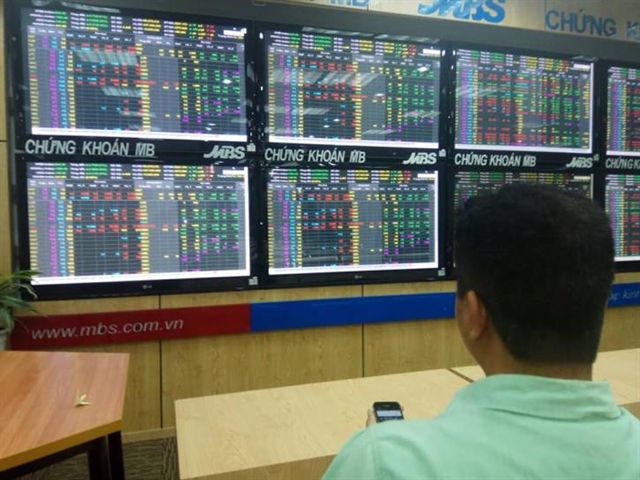
| Despite the drop, free-market rates were still higher than bank rates by over VNĐ1,000. — AFP/VNA Photo |
HÀ NỘI — The US dollar moved in opposite directions across markets on April 1, plunging on the informal market while remaining stable near the ceiling in the banking system.
The State Bank of Vietnam raised the central rate by VNĐ3 to VNĐ25,105, allowing banks to trade within VNĐ23,849 – VNĐ26,360. Interbank rates hovered near VNĐ26,339.
Commercial banks largely kept selling prices close to the ceiling.
OCB offered the lowest selling rate at VNĐ26,339, while major lenders such as Vietcombank, BIDV, Agribank, HSBC, Techcombank, UOB and VPBank listed selling prices at the maximum VNĐ26,360.
On the buying side, MBV posted the lowest cash buying rate at VNĐ23,850, while VietinBank offered the lowest transfer rate at VNĐ25,960. HSBC recorded the highest buying rate for both cash and transfers at VNĐ26,187.
The spread between the lowest and highest selling rates among banks was only VNĐ21, while the typical bid–ask spread remained around VNĐ250.
Free-market rates fell sharply, with buying prices dropping from VNĐ28,030 to VNĐ27,500 and selling prices declining from VNĐ28,080 to VNĐ27,550 per US dollar, a fall of VNĐ530 on both sides, or 1.9 per cent.
As of 2pm, free-market buying rates were VNĐ1,390 higher than bank rates, while selling rates were higher by VNĐ1,190.
The sharp fall in the informal market came amid tighter controls on foreign exchange and gold trading and reflected shifting supply and demand and sentiment.
Globally, the US dollar index (DXY) eased to around 99.5 but remained on track for its strongest quarterly gain since Q3 2024. Pressure on the dollar increased after US President Donald Trump signalled easing tensions with Iran. The comments reduced demand for the dollar, although geopolitical risks persist.
Analysts said upcoming US labour data would be key to near-term exchange rate movements, as the Federal Reserve is still under limited pressure to cut rates. — BIZHUB/VNS
Economy
 Economy
 Economy
 Economy
 Economy
 Economy
 Economy
 Economy
 Economy
 Economy
 Economy
 Economy
 Economy
 Economy
 Economy