 Economy


Seven Vietnamese export product groups at risk of trade remedy investigations
1.
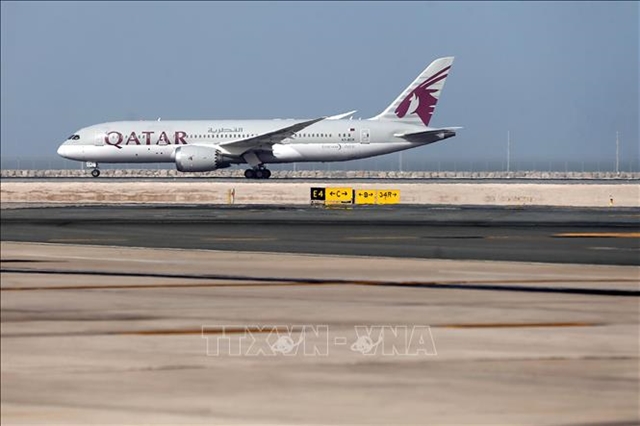 |
| A Qatar Airways aircraft. Qatar Airways has cancelled flights between Việt Nam and Doha from February 28 to March 2, affecting about 2,557 passengers. — AFP/VNA Photo |
HÀ NỘI — More than 4,400 passengers of Middle Eastern carriers in Việt Nam have been affected after several countries in the region closed or severely restricted their airspace amid escalating military tensions between the US–Israel alliance and Iran.
The Civil Aviation Authority of Vietnam (CAAV) said that widespread airspace shutdowns across the Middle East were disrupting regional and global flight operations.
Iran, Iraq and Israel have completely closed their airspace, with reopening timelines expected no earlier than March 3. Qatar, Kuwait, Bahrain and Syria have also announced full closures without clear reopening schedules.
The United Arab Emirates (UAE) has partially closed controlled airspace until 7pm on March 2 (Việt Nam time), while Jordan is operating under strict limitations and reviewing the situation hour by hour.
Singapore’s Changi Airport cancelled multiple flights to and from Abu Dhabi, Doha and Dubai, urging passengers to check updates via its app rather than gather at terminals.
Major international hubs such as Dubai and Hamad–Doha airports have announced indefinite suspensions following missile attacks.
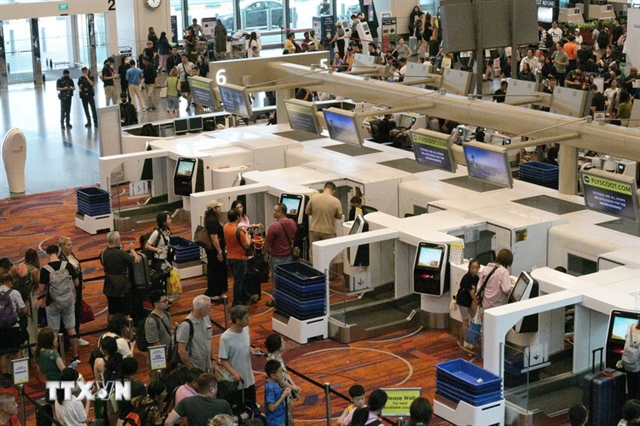 |
| Singapore’s Changi Airport cancelled multiple flights to and from Abu Dhabi, Doha and Dubai, urging passengers to check updates via its app rather than gather at terminals. — XINHUA/VNA Photo |
Thousands of passengers impacted
Qatar Airways has cancelled flights between Việt Nam and Doha from February 28 to March 2, affecting about 2,557 passengers.
In Hà Nội, five flights were cancelled, impacting an estimated 1,565 passengers. In HCM City, four flights were cancelled, affecting around 992 passengers. The airline has set up support counters at airports and is offering ticket changes or refunds in line with regulations.
Emirates has suspended all flights to and from Dubai until 6pm on March 2 (Việt Nam time), affecting approximately 1,881 passengers in Việt Nam – including 1,117 in HCM City, 725 in Hà Nội and 39 in Đà Nẵng.
The carrier is allowing rebooking within 10 days or full refunds, and coordinating with ground services and hotels to support stranded travellers. Passengers have been urged to check flight status before heading to airports.
Etihad Airways has suspended flights to and from Abu Dhabi until 5am on March 2 (Việt Nam time). Affected passengers may change tickets free of charge until March 15 or request full refunds.
Turkish Airlines has also cancelled flights to and from several Middle East destinations, including Bahrain, Dammam, Riyadh, Iran, Iraq, Jordan, Kuwait, Lebanon, Oman, Qatar, Syria and the UAE. The airline said further disruptions could not be ruled out as the situation evolves.
Some foreign aircraft are currently stranded at Nội Bài International Airport due to airspace closures. However, flights at Hà Nội and HCM City airports are operating normally, with no domestic disruptions directly linked to the Middle East crisis so far.
Vietravel said it had activated emergency response procedures following airline adjustments, reviewing all affected tours to ensure passenger safety. The company currently has three groups with 51 travellers in Dubai and one group with 24 travellers in Egypt staying at hotels under precautionary arrangements, while advising upcoming March departures on flexible rerouting or postponement options.
Global ripple effects
International media reported that the disruption has widened significantly, with more than 18,000 flights delayed and over 1,000 cancelled worldwide as airlines reroute aircraft to avoid closed Middle East airspace.
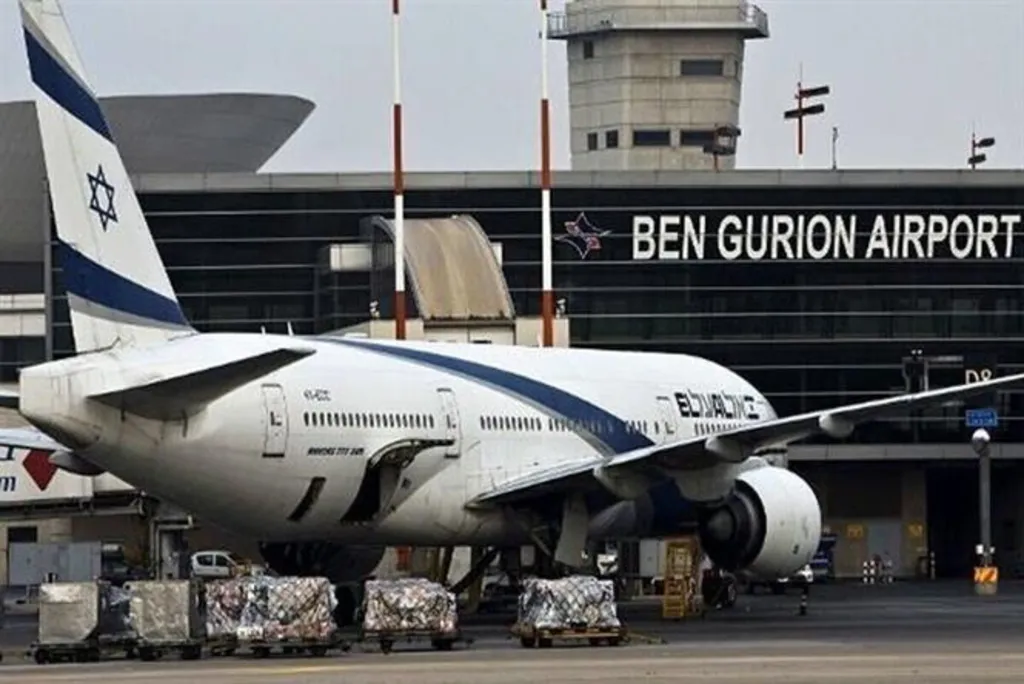 |
| Ben Gurion International Airport, southeast of Tel Aviv, Israel. — IRNA/VNA Photo |
Several European and Asian carriers have suspended services to Gulf destinations, while key aviation corridors linking Europe and Asia remain affected. Industry analysts described the situation as one of the most serious aviation disruptions in recent years.
CAAV leaders said most airspace in the Middle East is currently closed or under strict control, directly affecting both regional and long-haul transport networks.
Flight operations in the coming days will depend on further military developments and decisions by aviation authorities in the region on reopening airspace.
The authority said it would continue monitoring the situation and update airlines and passengers as developments unfold. — VNS
Economy
 Economy
 Economy
 Economy
 Economy
 Economy
 Economy
 Economy
 Economy
 Economy
 Economy
 Economy
 Economy
 Economy
 Economy