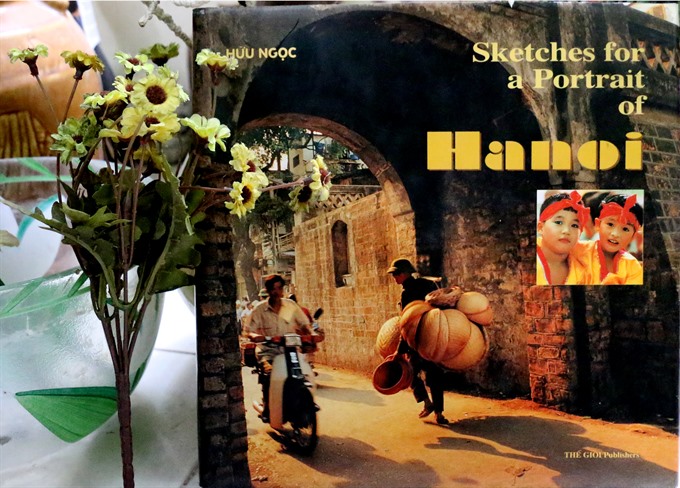
Scholar still fights to save Vietnamese culture
Hữu Ngọc was born and raised in Hà Nội, but it wasn’t until he left the city in 1946 to join the national resistance war against the French that he realised just how much he loved his hometown.
Hữu Ngọc was born and raised in Hà Nội, but it wasn’t until he left the city in 1946 to join the national resistance war against the French that he realised just how much he loved his hometown.

The traditional dancing and singing of the Mông people were featured at an art performance held on October 11 in Hà Nội.
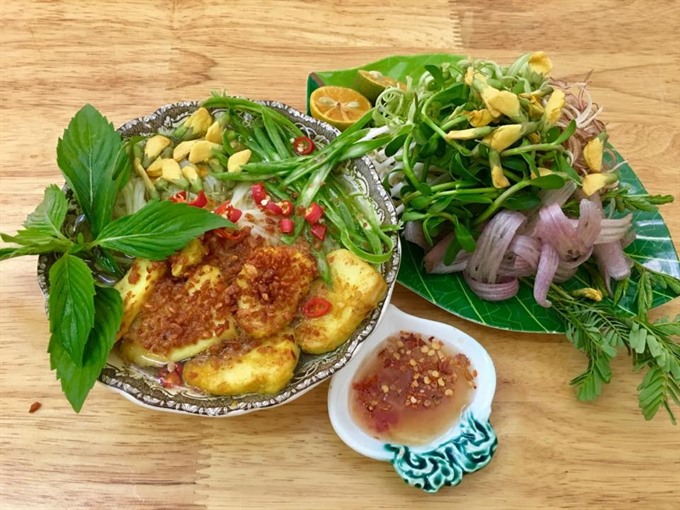
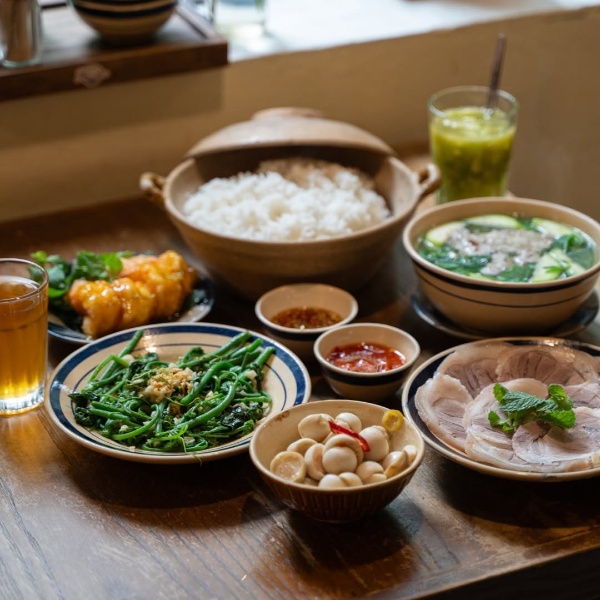
Diners in HCM City should check out Bún Cá Lóc Phan Lê, a new restaurant that will surely please lovers of all things fishy. Mỹ Duyên reports
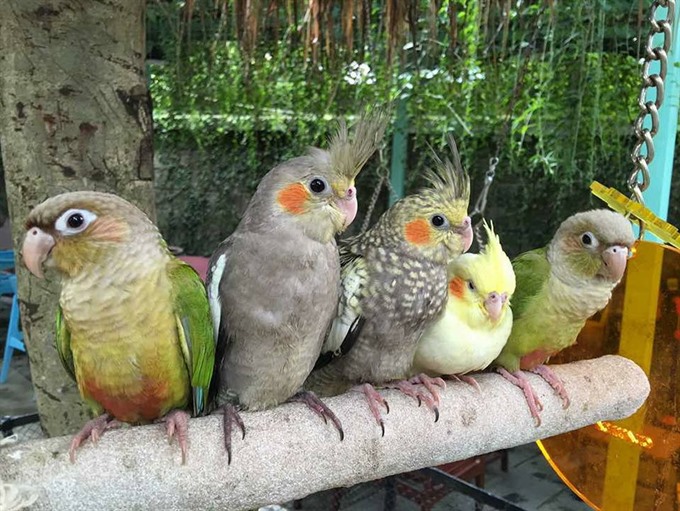
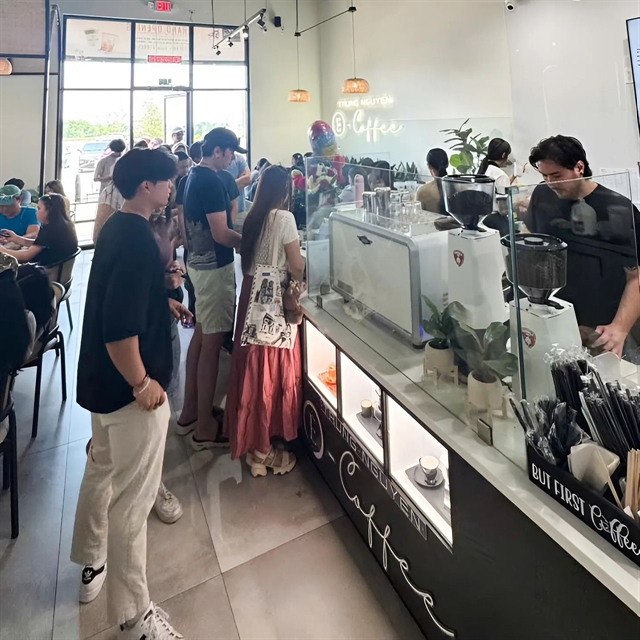
From parrots to poodles, pets are becoming a popular feature in some of HCM City’s coffee shops.

Lê Hương Giang has overcome a disability that left her blind as a sixth grader and is now a popular TV and radio presenter who is shining a light for others.
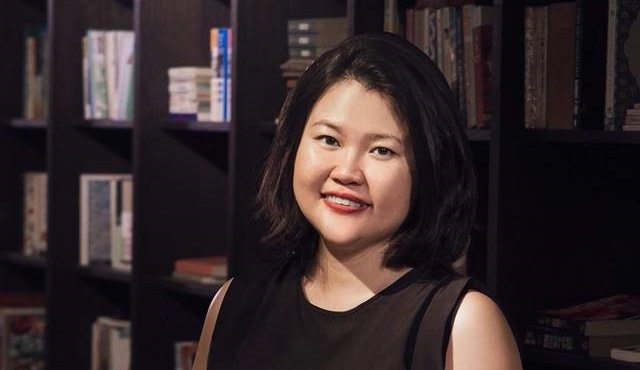
Standing behind the success of The Tailor (Cô ba Sài Gòn), Tèo Em, Siêu sao Siêu ngố and several other movies, screenwriter and director Kay Nguyễn tells Khoa Thư the story of the country’s emerging commercial cinema scene and how a screenwriter can catch the new wave.
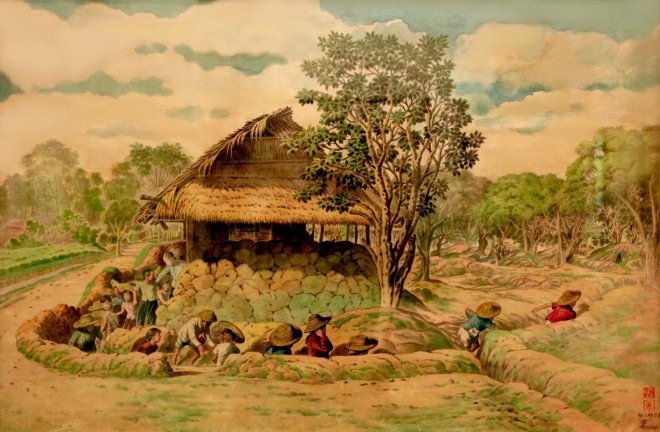
Artist Thang Trần Phềnh was not only one of the first Vietnamese artists to graduate from the École des Beaux-Arts de l’Indochine (Indochina Fine Arts College) — the first fine arts school in Indochina — he was also among the first to display his oil-on-canvas paintings at expos held in Hà Nội in the early 20th century.
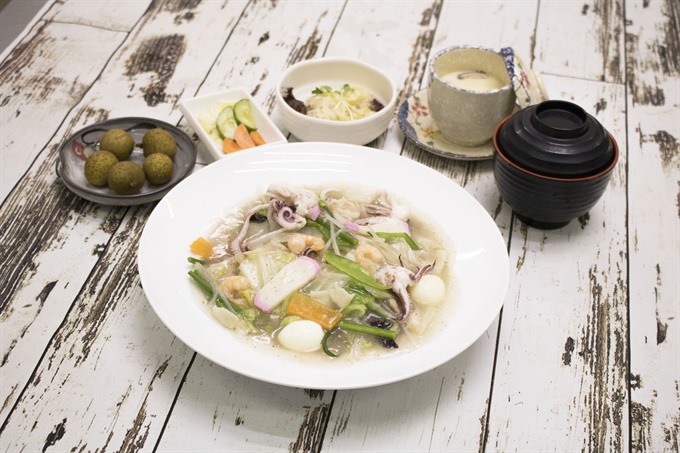
This fall, enjoy one of Japan's top delicacies with a new recipe from Chef Yukari Ikeda!
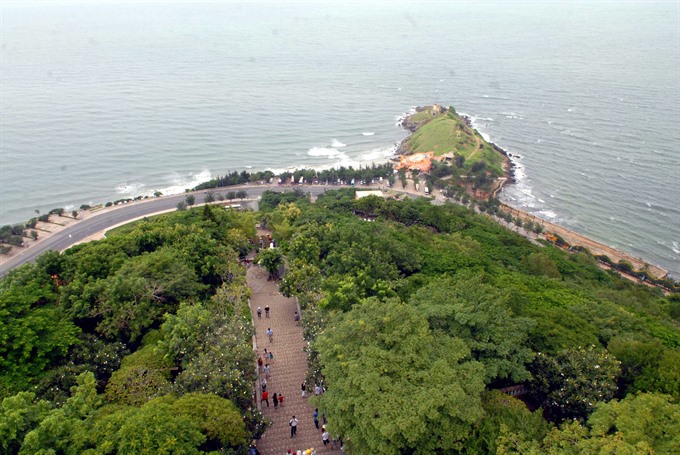
Eco-tourism offers a valuable source of revenue for the southern coastal province of Bà Rịa-Vũng Tàu, but challenges such as pollution remain.
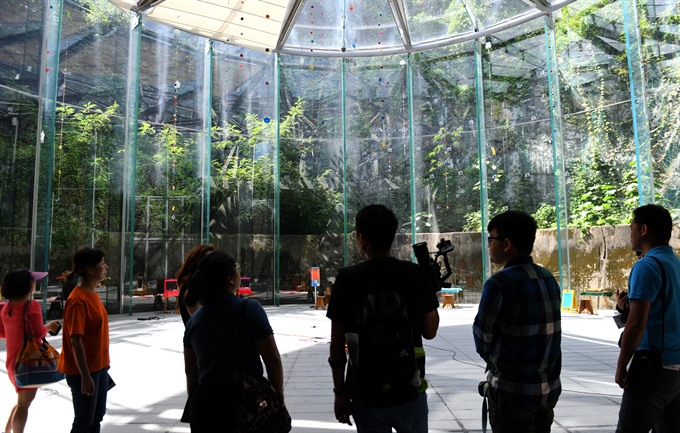
Seoul has many different types of parks, including ecological parks designed to preserve certain rare types of flora and fauna. Among 18 parks throughout the city, The Oil Tank Culture Park in Nanjido in the northwestern part of the city is among the newest.
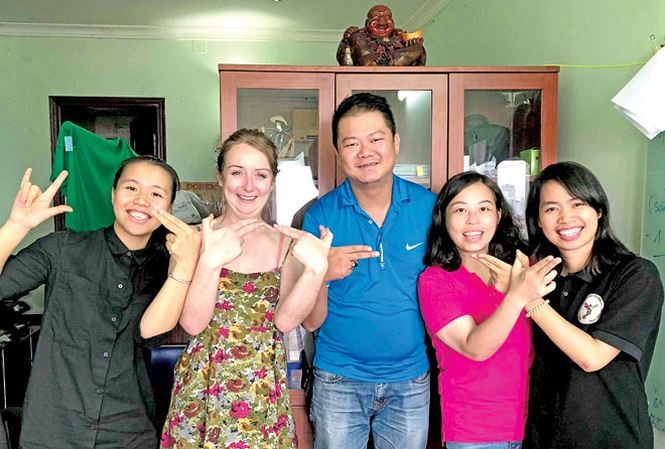
With a smart phone or iPad accessing the internet, a hearing-impaired person will communicate easier thanks to an online interpreter.
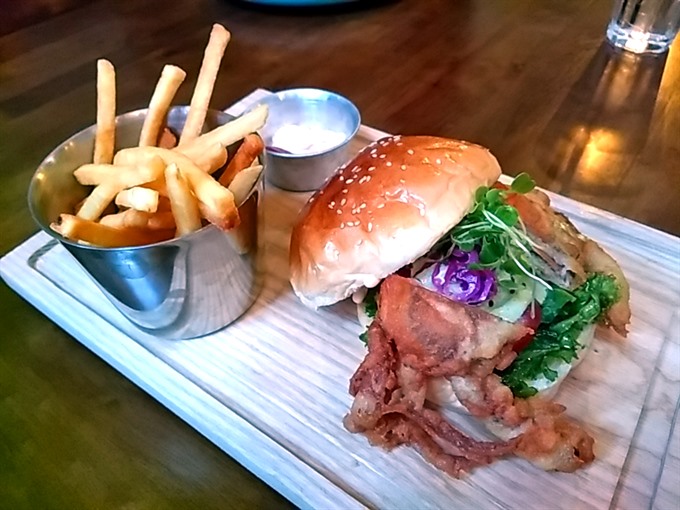
With a relaxing atmosphere and heaps of delicious and nutritious food, the Salt ‘n’ Pepper Eatery in the capital city is a perfect place to catch up with friends. Minh Thu reports.
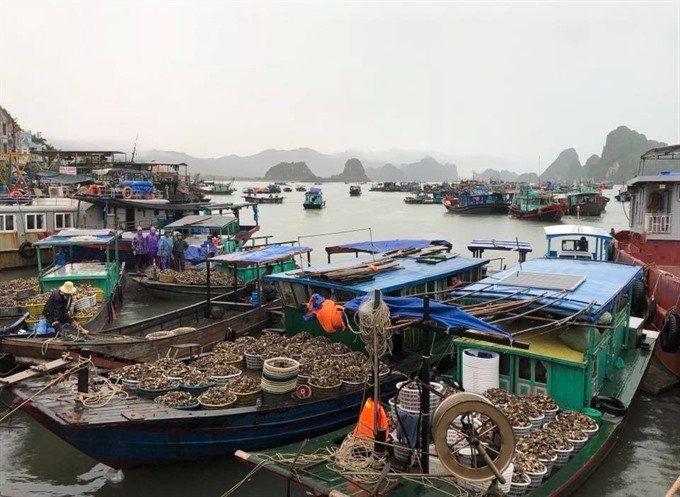
With more than 600 islands around the north and northeast of Bái Tử Long Bay, Vân Đồn District has played a strategic role in the country's history. Trần Mai Hưởng reports.
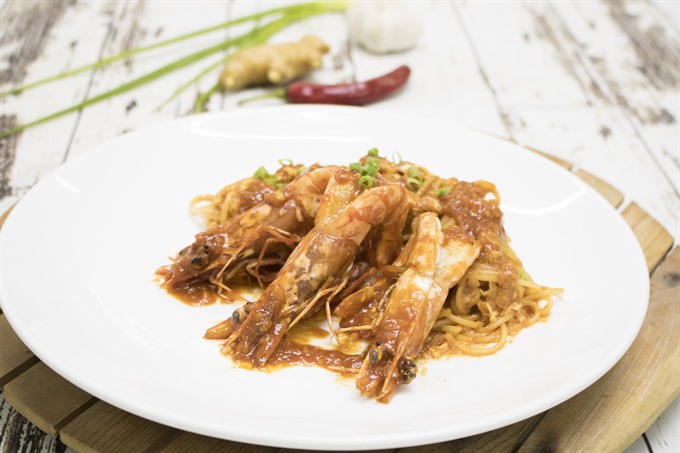
These gorgeous prawns are super-easy to recreate at home, and the beachfront setting is optional!

Men dressing in women’s clothing is relatively new to Hà Nội’s entertainment scene but it’s becoming increasingly popular.
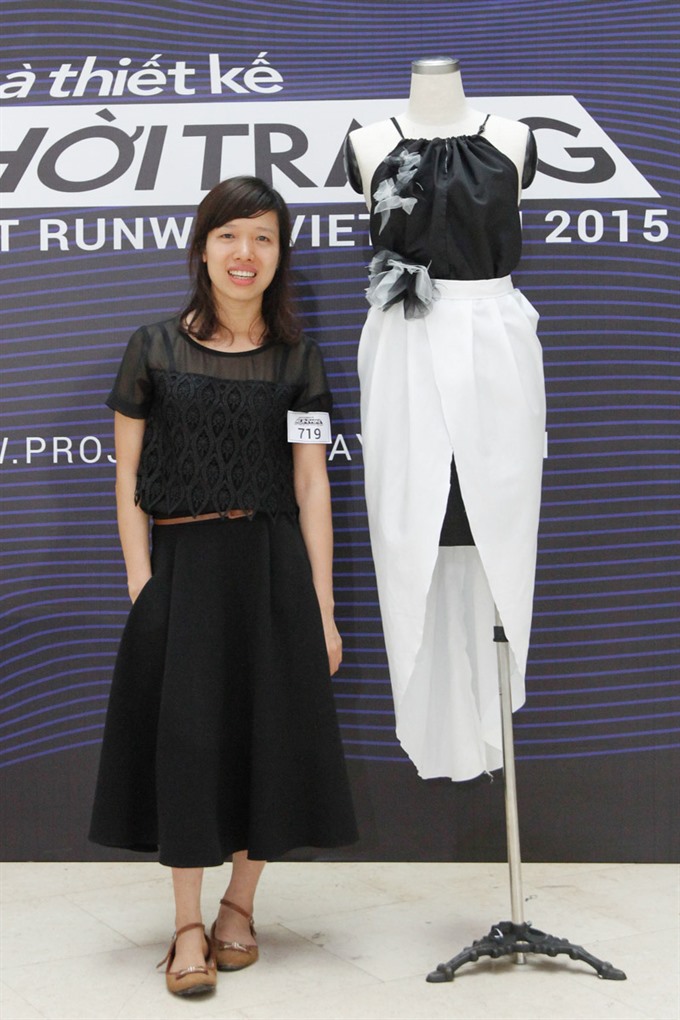
Designer Hà Thị Thông, 31, overcame disability to follow her passion for fashion. From working as a small-town tailor she has become a well-known designer. She talks to Minh Thu about her motivation and dreams.
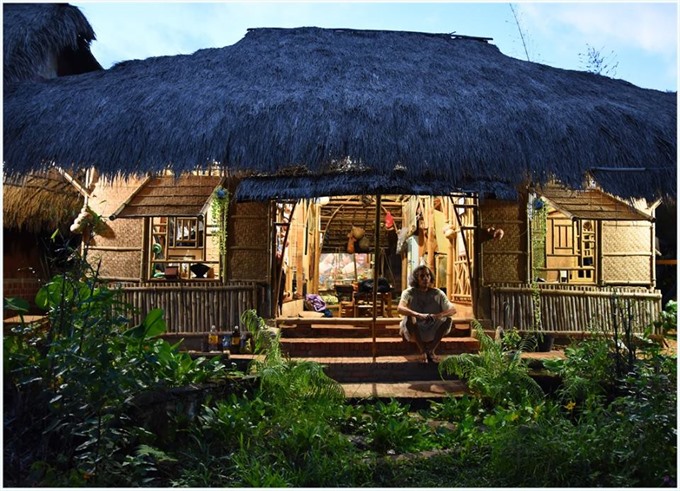
Bamboo, clay and straw were traditionally used as building materials in rural Việt Nam, when cement, brick and steel were not available. As cities expand, homes made of bamboo have gradually disappeared, but one house in central Việt Nam has been preserved.
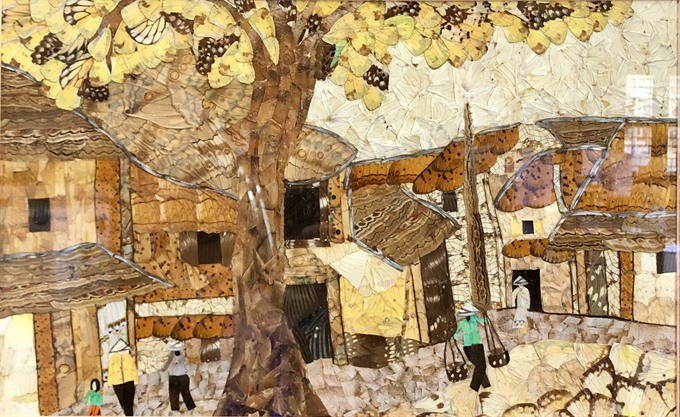
The artist Vũ Thị Nguyệt Ánh works in an unusual medium: butterfly wings, which she uses to depict classically Vietnamese scenes of ancient villages and bucolic fields.
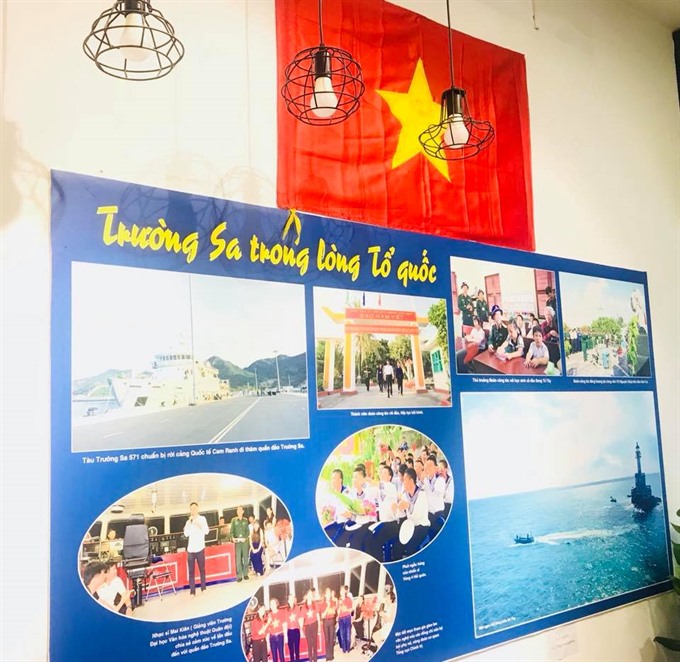
At first glance, Lê Nổ Tổ Chè at Hà Nội’s 35 Nguyễn Công Hoan Street looks much like any other coffee shop in the capital. The establishment, however, boasts a unique draw: its décor focuses on the Trường Sa (Spratly) archipelago, confirming Vietnamese sovereignty over the islands and instilling in visitors a sense of national pride.
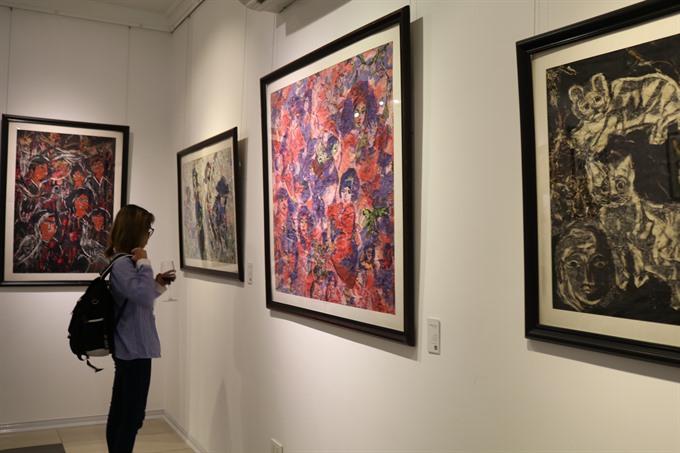
At the age of 80, Nguyễn Thị Phi Loan is still connected to the realm of art thanks to her work in the medium of paper and fabric.