 Society

Drive to Great: BAIC FOTON Africa Partners Conference Set to Open
1.
|
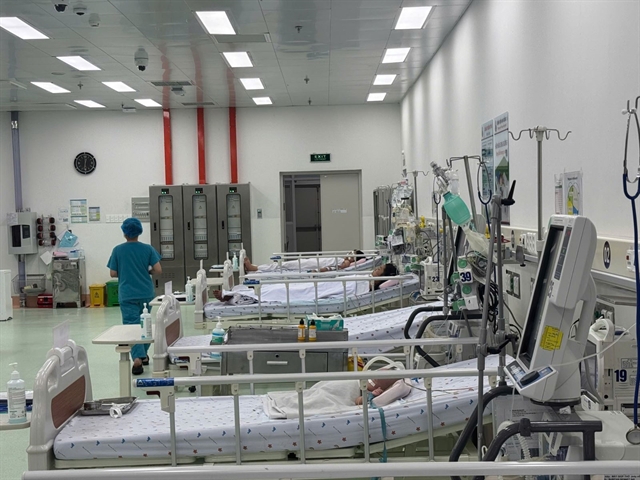
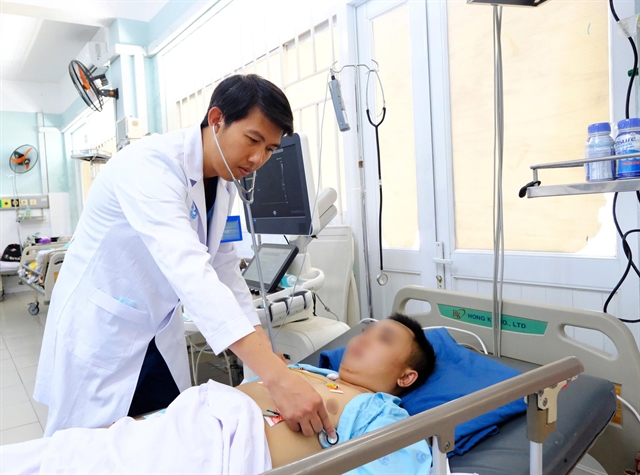
| Children are treated for dengue fever at the Department of Intensive Care and Anti-Poison at Children Hospital 1 in HCM City. — VNA/VNS Photo |
HCM CITY — Dengue infections in southern Việt Nam have risen sharply this year, with more than 56,000 cases recorded in the first seven months and mosquito-borne disease indicators above five-year averages, prompting hospitals to prepare for a peak in admissions from August to November.
The number of dengue cases in the region increased 34 per cent from the same period last year, with 10 deaths, according to a report by the Pasteur Institute in HCM City.
Vector surveillance indicators, which reflect the presence of mosquitoes that transmit the dengue virus, have also exceeded five-year average levels, signalling a higher risk of transmission.
At the HCM City Hospital for Tropical Diseases, a referral centre for severe infectious diseases in southern Việt Nam, dengue admissions have risen rapidly, with more than 120 patients treated as inpatients each day recently and as many as 150 on some days.
“This year is considered one of the years when dengue reaches a peak at the hospital,” said Dr Nguyễn Thành Dũng, the hospital’s director.
Dengue outbreaks tend to follow a cyclical pattern, with major surges occurring every few years.
The health ministry has previously said the cycle appears to have shortened to around three to four years.
This year's increase follows trends seen in 2022 and 2025, the hospital said.
From January 2022 to June 2026, the Hospital for Tropical Diseases recorded about 105,000 inpatient treatments and 1.9 million outpatient visits. Dengue accounted for 31,098 inpatient treatments during the period, with about two-thirds of patients showing warning signs and 17 per cent-20 per cent classified as severe cases.
The hospital recorded eight dengue-related deaths, equivalent to 0.03 per cent of treated cases, as well as 35 severe cases in which patients' families requested discharge against medical advice.
To manage the expected increase in patients, the hospital has established an internal reporting system using the Zalo messaging platform, allowing departments to continuously update figures on new cases, current inpatients and patients in shock or with severe symptoms.
The system enables doctors on duty to quickly assess the situation and arrange monitoring, consultations and emergency interventions, Dũng said.
Việt Nam’s health sector is also preparing for the possibility of dengue coinciding with other infectious diseases, including hand, foot and mouth disease.
Health authorities have urged hospitals to prepare resources ahead of the peak season, focusing on early screening, disease classification and timely specialist consultations.
Hospitals have been advised to ensure adequate supplies of medicines and diagnostic materials while maintaining intensive-care capacity, including ventilators, dialysis equipment, extracorporeal membrane oxygenation (ECMO) systems and isolation beds.
The Hospital for Tropical Diseases is also strengthening data sharing with the HCM City Centre for Disease Control and the Pasteur Institute to improve disease surveillance and early warnings.
Dũng said the health sector was no longer in a period between major infectious disease outbreaks, as diseases were continuing to re-emerge or increase at different times.
He also warned that reduced exposure to some infectious diseases during periods of low transmission could leave communities with lower immunity, potentially allowing diseases to spread more rapidly when they return. — VNS
Society
 Society
.jpg) Society
Society
 Society
 Society
 Society
 Society
 Society
 Society
 Society
 Society
 Society
 Society
 Society
 Society