 Society
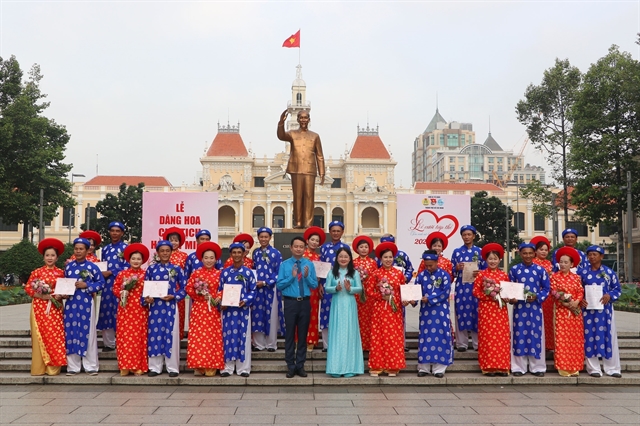
HCM City mass wedding brings happiness to 52 disadvantaged couples
1.
By Lê Hương
ACCRA — The World Health Organization (WHO) on Thursday launched a new technical package in Accra, Ghana, to help governments and communities implement seven proven measures to reduce drowning deaths.
Nearly 300,000 people die from drowning each year worldwide, making it one of the ten leading causes of death among children aged five to 14.
Many of these deaths occur in rivers, lakes, wells, domestic water storage containers and swimming pools. More than 90 per cent of drowning fatalities occur in low- and middle-income countries.
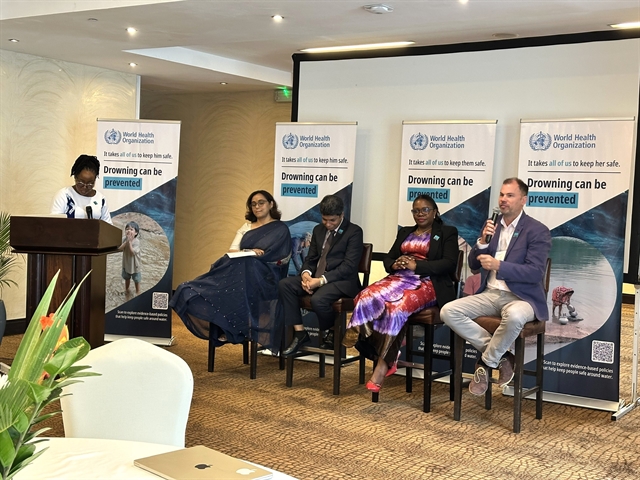 |
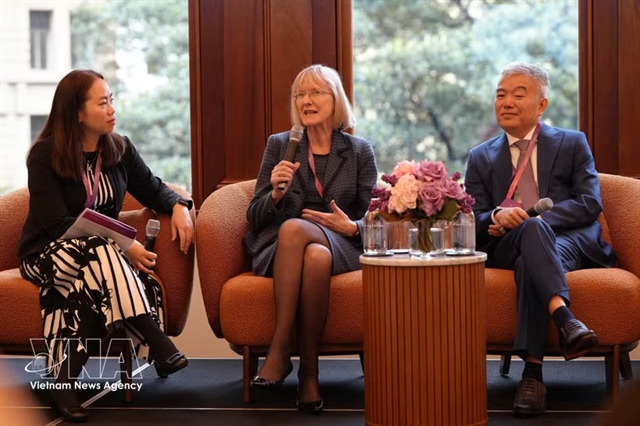
| Experts from around the world share experiences on child drowning prevention at the event. VNS Photo Lê Hương |
Climate change is also increasing drowning risks. Extreme weather events such as floods, storms and heatwaves are becoming more frequent, heightening the risk of drowning.
Studies have shown a strong association between heatwaves and drowning. In the United Kingdom, for example, research found that drowning deaths increase by 7.2 per cent for every 1°C rise in temperature. The risk is also nearly five times higher on days when temperatures exceed 25°C than on days below 10°C.
"Every drowning is a tragedy, and most are preventable," said Dr Tedros Adhanom Ghebreyesus, WHO Director-General.
"The seven PROTECT strategies give countries practical, evidence-based approaches to prevent these tragedies, including making water transport safer, teaching school kids to swim, and preparing for floods.
"Drowning prevention isn't the job of one ministry; it belongs to everyone, and the lives it saves are the reward."
The seven strategies, grouped under the acronym PROTECT, translate the vision of the first-ever Global Strategy for Drowning Prevention into practical, actionable policy guidance.
The global strategy was launched by the WHO-hosted Global Alliance for Drowning Prevention in 2025.
The PROTECT package provides policymakers with concrete, evidence-informed recommendations across seven interconnected areas to strengthen water safety:
* Physical infrastructure that promotes safe interaction with water
* Rescue and resuscitation capability for bystanders and professional responders
* Occupational safety for work around water
* Transport safety standards for water travel
* Education in basic swimming and water safety
* Child-care systems and ensure safeguarding
* Threat preparedness for floods and other multi-hazard emergencies
WHO launched the PROTECT package in Ghana in recognition of the country's growing political commitment to drowning prevention and its efforts to strengthen water safety.
An estimated 1,100 people drown in Ghana each year, with children and young adults disproportionately affected - equivalent to about three deaths every day.
The launch highlights Ghana's growing leadership in tackling this preventable cause of death while underscoring the need for governments worldwide to adopt evidence-based policies that protect communities at risk.
“As a country, we have already started doing some interventions after the survey that we conducted in 2021,” Emmanuel Nakua, from Ghana’s Kwame Nkrumah University of Science and Technology, told Việt Nam News.
Bloomberg Philanthropies is supporting locally led action while helping generate evidence on which approaches are most effective and how they can be sustained and expanded.
“We are doing this in partnership with Johns Hopkins International Injury Research Unit, Kwame Nkrumah University of Science and Technology, the Life Partners Platform and other national and local partners,” said Rebecca Bavinger, Programme Manager of Bloomberg Philanthropies.
The initiative includes providing swimming and water safety training for children and strengthening lifeguarding services at public beaches. So far, 49 lifeguards have been trained and deployed.
“The programme is assessing implementation, effectiveness and sustainability, using local data, community surveys and digital tools to help shape practical strategies for future expansion," she said.
Nakua believed that with this package coming on board, what they were seeking to do is to further push up to the government level.
“That engagement has already started with Ghana Life Partners platform, with the Ministry of Education and the Ghana Education Service, so that swimming skills be part of the curriculum,” he said.
“We know for sure that the policy makers will hear about it. And when we make the move, we are sure that they will pick it up and some changes will happen.”
The launch also builds on more than a decade of collaboration between WHO, governments and partners to advance evidence-based drowning prevention worldwide.
“This framework will save lives while building on the progress governments around the world are making to prevent drowning deaths in their countries,” said Dr Kelly Henning, who leads the public health programme at Bloomberg Philanthropies.
“Bloomberg Philanthropies has worked with governments worldwide to implement proven, effective strategies that reduce drowning deaths.
"We applaud the World Health Organization for its leadership on this issue and look forward to continuing to support it and local governments as they use the PROTECT technical package.”
Since 2014, Bloomberg Philanthropies has partnered with WHO on drowning prevention, supporting the development of foundational resources that have guided global best practices, including the PROTECT technical package.
“We hope PROTECT will help governments translate evidence into lasting action, taking effective interventions beyond individual communities and embedding them within wider systems that keep people safe around water. Around 30 people drown every day, and while anyone can drown, no one should,” Rebecca added.
Việt Nam’s contribution
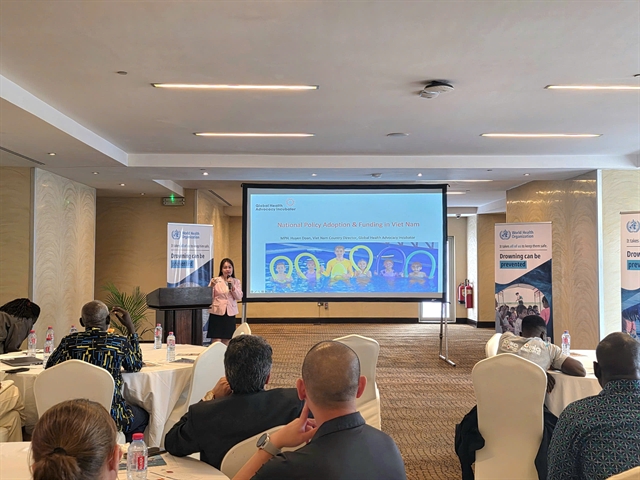 |
| Đoàn Thị Thu Huyền, Việt Nam Country Director for the Campaign for Tobacco-Free Kids, presented the results of the child drowning prevention programme in Việt Nam at the event. VNS Photo Bùi Giang |
Commenting on the launch, Đoàn Thị Thu Huyền, Việt Nam Country Director for the Campaign for Tobacco-Free Kids, told Việt Nam News that the WHO's technical package for drowning prevention marked an important milestone by recognising Việt Nam as a leading example in implementing safe swimming interventions.
“This recognition reflects the country's sustained efforts to prevent child drowning while providing an opportunity to share its experiences, lessons learned and effective models with the international community,” she said.
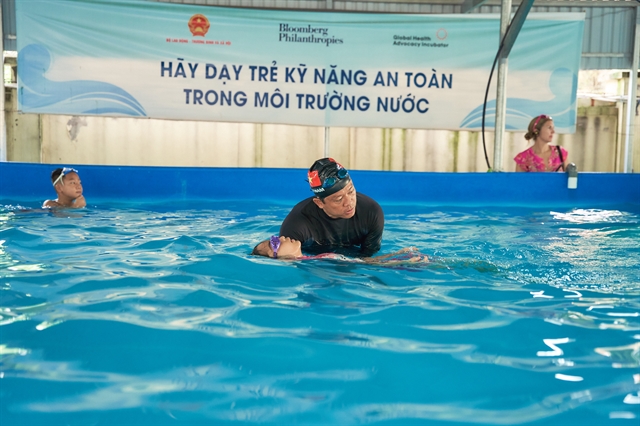 |
| A teacher guides a young girl during a swimming lesson in the central province of Quảng Trị as part of a child drowning prevention programme funded by Bloomberg Philanthropies in Việt Nam. Photo courtesy of the Campaign for Tobacco-Free Kids |
Huyền said Việt Nam's achievements have enriched the global evidence base on drowning prevention and provided valuable practical experience for the design and implementation of safe swimming programmes in many other countries.
The package also includes Huyền's technical support and expert contributions in compiling evidence, practical lessons and implementation experience from safe swimming and water safety programmes for children aged six to 15, one of the seven key strategies outlined in the WHO package.
This year's World Drowning Prevention Day, observed on July 25, carries the theme 'Unite to turn the tide', reflecting the need for coordinated action across governments, sectors and communities to prevent drowning and save lives. VNS
Society
 Society
 Society
 Society
 Society
 Society
 Society
 Society
 Society
 Society
 Society
 Society
 Society
 Society
 Society