 Society
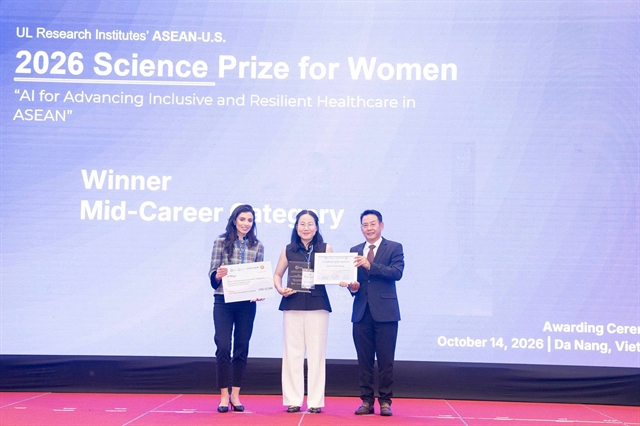
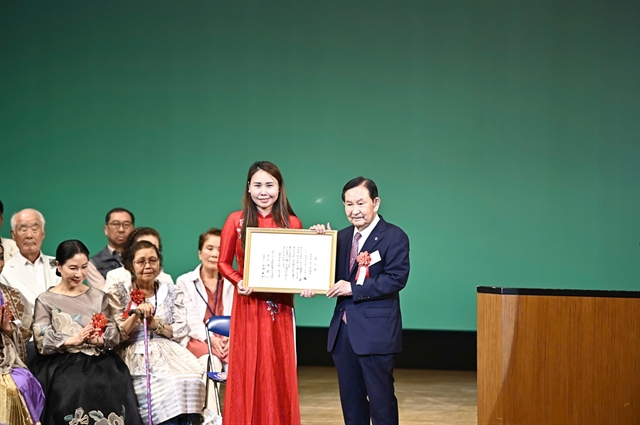
Vietnamese scientist wins ASEAN-US Science Prize for Women
1.
|
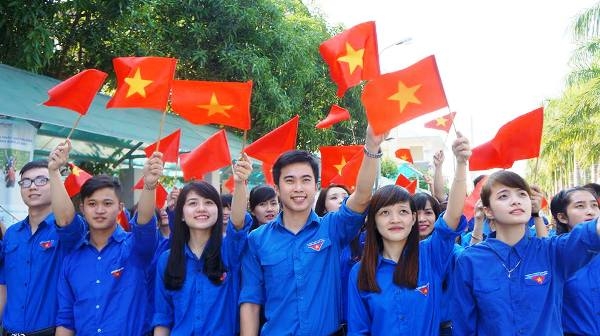
| Youth is a key resource for the country's development. VNA/VNS Photo |
HÀ NỘI Deputy Prime Minister Phạm Thị Thanh Trà has signed a decision approving adjustments and supplements to the Việt Nam Youth Development Strategy for the period 2021-2030.
The overall goal is to build a generation of young Vietnamese with comprehensive moral, intellectual, physical and aesthetic development, rich in patriotism, self-reliance and ambition and with a desire to rise up and build the country.
Developing high-quality young human resources is crucial to meet the requirements of rapid and sustainable development of the country and international integration.
It is also important to promote the spirit of dedication, initiative, volunteerism and enhancing responsibility of young people in the cause of building and protecting the Fatherland.
Regarding education, training, expanding learning and scientific research opportunities for young people, the goal is that by 2030, over 50 per cent of young people will participate and complete at least one online course on the platform application providing mass open online courses (MOOCs) of the Ministry of Education and Training on digital transformation, entrepreneurship and innovation.
By 2030, at least 30 per cent of young people will have a foreign language proficiency of level 3 or higher according to the Foreign Language Competency Framework for Vietnam.
By 2030, it is hoped that 90 per cent of young people receive career counselling and career choice skills.
Regarding improving the quality of vocational training and creating sustainable livelihoods for young people it is hoped that by 2030, 80 per cent of young people will have basic digital knowledge and skills and 40 per cent of young people have advanced digital skills and artificial intelligence (AI) application skills.
Also by 2030, 70 per cent of young people will have received vocational training or have vocational skills that meet standards according to the national vocational skills framework and 50 per cent of young people in vulnerable groups receive support from the State to develop vocational skills.
By 2030, at least 70 per cent of young people with disabilities, people living with HIV, drug users, young victims of human trafficking crimes, and young people in conflict with the law will be trained in life skills, labour and community integration.
The plan wants to create stable jobs for over 50 per cent of young people in ethnic minority and mountainous areas and areas with particularly difficult socio-economic conditions; 30 per cent of young people are people with disabilities, people infected with HIV and those receiving drug treatment.
A target has also been set for over 80 per cent of young people to be equipped with knowledge and skills for physical training and health improvement; reproductive health care, sexual health, mental health; population and development.
By 2030, over 90 per cent of localities will have models to support young people to live safely and respond to violence in cyberspace.
To realise these goals, the strategy proposes tasks and solutions, including strengthening the leadership of Party organisations, and governments at all levels on comprehensive youth development; completing mechanisms, policies and laws on youth; promoting propaganda, dissemination and legal education; strengthening the provision of services and activities to support youth; resources to implement the strategy; and promoting international cooperation in implementing the Strategy. VNS
Society
 Society
 Society
 Society
 Society
 Society
 Society
 Society
 Society
 Society
 Society
 Society
 Society
 Society
 Society