 Economy

Việt Nam, US seek to deepen defence cooperation, war legacy remediation
1.
|
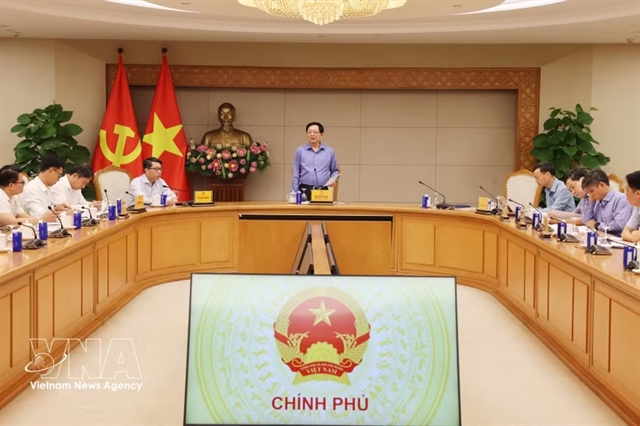
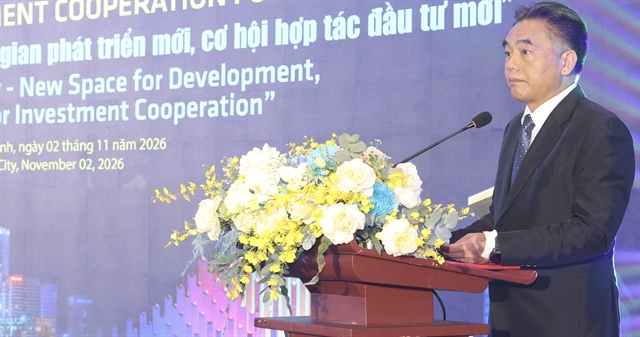
| Deputy Prime Minister Hồ Quốc Dũng speaks at the Tuesday meeting to address difficulties in implementing Decree No. 101/2026/NĐ-CP detailing the Law on Technology Transfer. — VNA/VNS Photo |
HÀ NỘI — Deputy Prime Minister Hồ Quốc Dũng on Tuesday called for ensuring the legitimate rights and production and business activities of enterprises while implementing regulations on technology transfer, particularly those concerning restricted and prohibited technologies.
Speaking at a meeting at the Government headquarters on Tuesday to address difficulties in implementing Decree No. 101/2026/NĐ-CP detailing the Law on Technology Transfer, Dũng stressed that the regulations were designed both to promote technology transfer and strengthen state management through the lists of technologies encouraged, restricted or prohibited from transfer.
He noted that the lists were consistent with the Party’s policies on promoting the transfer, application and mastery of advanced, modern, high-tech and strategic technologies, particularly those that are environmentally friendly, energy-efficient and resource-efficient.
The regulations also aim to prevent the import and use of outdated technologies that cause environmental pollution, waste resources and deliver low efficiency.
The Deputy PM agreed with the Ministry of Science and Technology and other relevant agencies that transfers of technologies on the restricted list must comply with current regulations. However, to protect enterprises’ legitimate interests and ensure business continuity, he outlined three key principles.
First, enterprises may continue implementing technology transfer contracts signed before April 1 this year, when the decree took effect.
Second, businesses operating production lines and factories using technologies on the restricted or prohibited lists may continue production with their existing equipment and technologies.
Third, enterprises are allowed to develop new products based on their existing technologies.
Dũng assigned the Ministry of Science and Technology to continue monitoring the implementation of the decree and coordinate with relevant ministries and agencies to receive and address emerging concerns and proposals from associations, organisations and businesses.
Responses to enterprises’ recommendations must be clear and consistent, with difficulties resolved thoroughly, he said, stressing that implementation must comply with the law, international practices and Việt Nam’s commitments while taking current practical conditions into account.
The meeting also reviewed concerns raised by domestic and foreign business associations, particularly regarding technology transfers for vehicles and engines with lower emission standards, as well as contracts signed before the decree took effect.
The ministry reported that most issues had been clarified or resolved, with the remaining key concern involving technology transfers for producing vehicles that meet lower emission standards exclusively for export markets. — VNA/VNS
Economy
 Economy
 Economy
 Economy
 Economy
 Economy
 Economy
 Economy
 Economy
 Economy
 Economy
 Economy
 Economy
 Economy
 Economy