 Politics & Law
Universities, businesses team up to bridge agriculture skills gap
1.
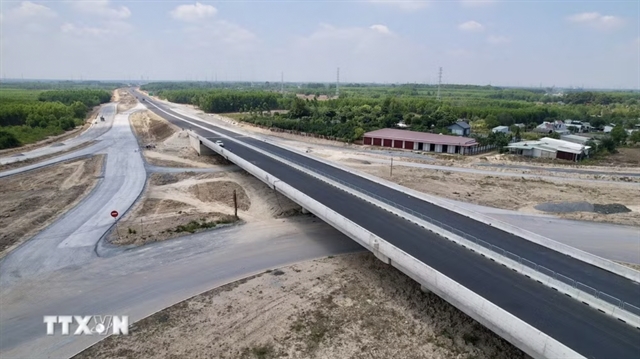 |
| Building transport infrastructure will be further strengthened. VNA/VNS Photo |
HÀ NỘI — Việt Nam has set an ambitious goal of becoming a developing country with modern industry and a GDP per capita of US$8,500 by 2030 under a new National Assembly resolution outlining the country’s socio-economic development strategy for the next five years.
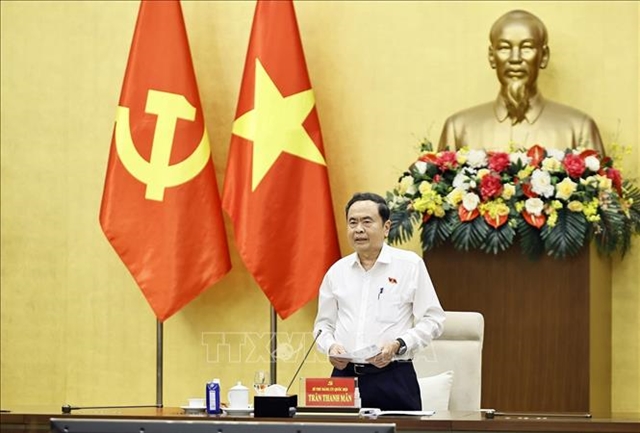
National Assembly Chairman Trần Thanh Mẫn recently signed a certification of Resolution 25/2026/QH16 on the five-year socio-economic development plan for 2026-2030.
Under the resolution, the country aims to achieve rapid and sustainable development while targeting average annual GDP growth of 10 per cent or more, maintaining macroeconomic stability, controlling inflation and ensuring major economic balances alongside improving people’s living standards.
The resolution also sets the objective of securing Việt Nam’s position as a developing country with a modern industrial base and high middle-income status, while placing it among the world’s top 30 economies by GDP by 2030.
Authorities aim to establish a modern and sustainable development system supported by synchronised infrastructure, while strengthening science, technology, innovation and digital transformation alongside improving the quality of human resources. The plan also calls for the comprehensive development of Vietnamese culture and people, while promoting environmental protection and adaptation to climate change.
The resolution states that efforts will continue to build a democratic, just, disciplined and safe society while safeguarding national defence and security and enhancing Việt Nam’s standing in the international arena.
Key socio-economic targets include GDP per capita reaching $8,500 by 2030, average annual industrial production index growth of 11-12 per cent and a localisation rate in key industries of 40-45 per cent by 2030. The country also aims to rank among the top three ASEAN nations in the industrial competitiveness index.
The manufacturing sector’s share of GDP is expected to reach 28 per cent by 2030, while international tourist arrivals are projected at 45-50 million. The proportion of trained workers holding degrees and certificates is targeted at 35-40 per cent, while multidimensional poverty is expected to decline by 1-1.5 percentage points annually. The Human Development Index is projected to reach 0.8.
Key tasks and measures outlined in the resolution include institutional reforms aimed at creating economic breakthroughs, developing new economic models, controlling inflation and accelerating scientific and technological innovation alongside digital transformation.
The resolution also stresses the need to modernise national education, improve training quality and attract talent, while developing a synchronised infrastructure system, strengthening urbanisation and regional connectivity and improving the management and use of natural resources to protect the environment and adapt to climate change.
It also calls for strengthening national defence and security, consistently pursuing an independent, self-reliant, peaceful, friendly and cooperative foreign policy, and reforming governance and implementation mechanisms to support double-digit economic growth. — VNS
Politics & Law
 Politics & Law
 Politics & Law
 Politics & Law
 Politics & Law
 Politics & Law
 Politics & Law
 Politics & Law
 Politics & Law
 Politics & Law
 Politics & Law
 Politics & Law
 Politics & Law
 Politics & Law
 Politics & Law