 Politics & Law

Rural tourism needs to cash quantities over goods sold
1.
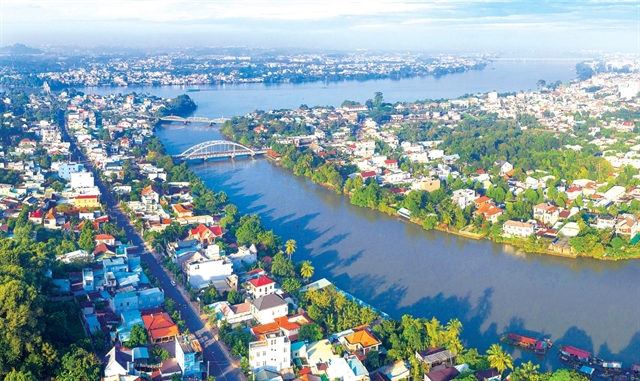 |
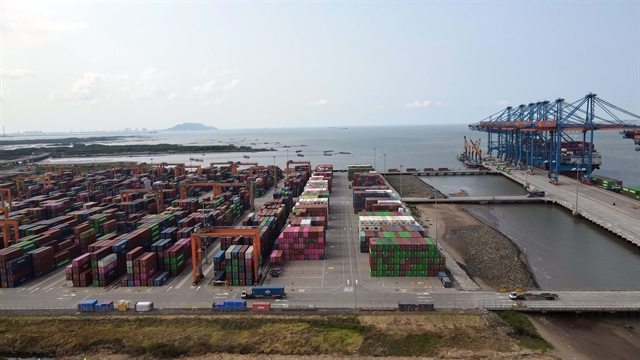
| Aerial view of Đồng Nai, which is expected to transition into a centrally governed city and a new southern growth pole. — VNA/VNS Photo |
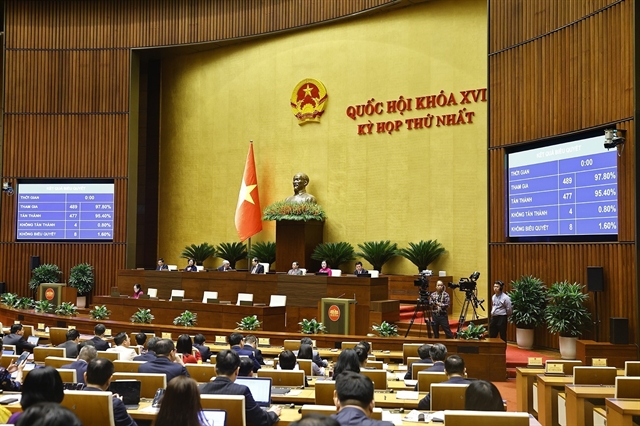
HCM CITY — The National Assembly on Friday has approved the elevation of Đồng Nai Province to a centrally governed city effective April 30, fast-tracking plans to develop the southern industrial hub into a major logistics and manufacturing centre near HCM City.
The decision, passed with strong backing from lawmakers this week, marks one of the most significant administrative upgrades in recent years and positions Đồng Nai as a new growth pole in the country’s key southern economic corridor.
The move places Đồng Nai Province on the same administrative tier as Hà Nội and HCM City or Đà Nẵng, potentially granting greater autonomy in planning, investment and budget management as authorities seek to ease pressure on existing urban centres.
Bordering HCM City, Đồng Nai is strategically located at the intersection of major economic routes linking the Southeast region with the Central Highlands, the south-central coast and the Mekong Delta.
The upgrade is closely tied to major infrastructure projects, particularly the under-construction Long Thành International Airport, expected to become one of Southeast Asia’s largest aviation hubs.
Officials say improved connectivity will accelerate investment inflows and support higher-value manufacturing and logistics activities.
With a population exceeding 4.4 million following a recent administrative merger, Đồng Nai is among the country’s largest economic centres.
Its gross regional domestic product grew 9.63 per cent in 2025 to nearly VNĐ678 trillion (US$27.1 billion).
Plans for the new city prioritise high-tech industry, green manufacturing and advanced agriculture, alongside the development of integrated logistics networks.
The Đồng Nai River is set to serve as a central urban and economic axis linking Biên Hòa, Long Thành and Nhơn Trạch.
Authorities will now move quickly to reorganise local government structures and maintain continuity of public services during the transition, while accelerating key infrastructure projects, including expressways and regional ring roads.
Social housing is also set to expand, with a target of at least 65,000 units by 2030.
Some lawmakers have called for special policy mechanisms on fiscal management, investment incentives and land governance, warning that without stronger institutional support, Đồng Nai may struggle to fully realise its potential.
From April 30, Đồng Nai will become Việt Nam’s seventh centrally governed city, joining Hà Nội, HCM City, Hải Phòng, Đà Nẵng, Huế and Cần Thơ, as the government steps up efforts to decentralise growth and develop new urban engines beyond its two largest cities. — VNS
Politics & Law
 Politics & Law
 Politics & Law
 Politics & Law
 Politics & Law
 Politics & Law
 Politics & Law
 Politics & Law
 Politics & Law
 Politics & Law
 Politics & Law
 Politics & Law
 Politics & Law
 Politics & Law
 Politics & Law