 Expat Corner
Lotte, Phát Đạt combine strengths in Thu Thiem project
1.
 |
Tony Kuschert*
For those who have long lived with the hustle and bustle of TP.HCM (Thành phố Hồ Chí Minh), the idea of clear sidewalks may have once seemed a dream that would never come true. But a recent decree signals that change is underway, and the face of the city is being reshaped into a modern commercial hub. This is just one of many steps transforming TP.HCM into a centrepiece of Southeast Asia.
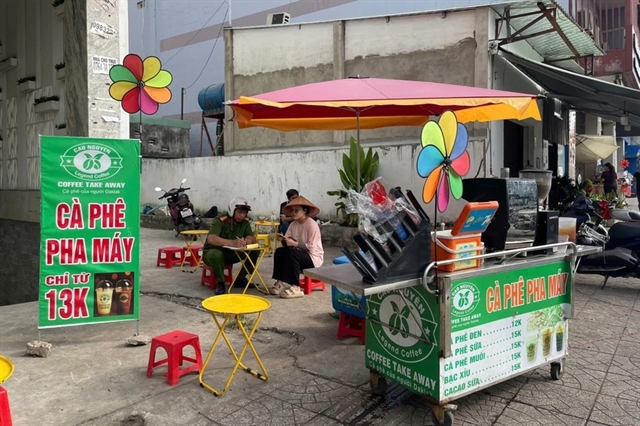
In 2024, the Government of Việt Nam set out a vision for the country’s largest city. Under Decree 168/2024, illegally stopping or parking vehicles on sidewalks or roadways can result in fines of VNĐ400,000 (US$15) to VNĐ600,000 ($23), while unauthorised street vending in prohibited areas is subject to fines of VNĐ200,000 ($7.60) to VNĐ250,000 ($9.50).
Police have now begun implementing these laws in parts of the city, provoking mixed reactions from both residents and the expat community affected by the changes.
In reality, the initiative is as much about cultural change as enforcement, impacting nearly everyone, from local businesses to consumers and commuters. As the city grows in size and significance, clinging to old habits can restrict the development of this emerging global metropolis.
TP.HCM has advanced considerably in recent years. The first metro line has been a major success, with daily ridership showing that rail transport will form the backbone of the future city.
The opening of Stage 1 of Long Thành International Airport marks a major shift in regional travel. It changes not only how people enter and leave Việt Nam, but also how they move around the city and surrounding areas, supported by transport infrastructure on a scale never before seen in the country.
Commercial restructuring has drawn global companies to new areas such as District 2 (Quận 2), while factories are establishing themselves in purpose-built precincts in Bến Cát and Thủ Dầu Một to the north, and in other locations to the south and west of the city.
With development at an unprecedented pace and tourist numbers at an all-time high, the city must assess its future direction. TP.HCM can either cling to tradition and risk clashing with progress or embrace a modern, world-class city with improved services.
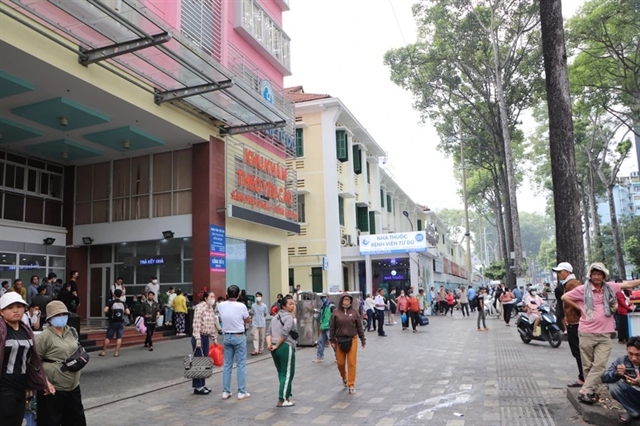
At the heart of this challenge is the community itself. The convenience of parking your motorbike outside a shop or café, or grabbing food without getting off your bike, must now give way to the needs of more than 20 million tourists, global companies and a shifting urban demographic.
Some see these changes as eroding the soul of the city, removing the very charms that draw visitors. Yet many welcome the transformation, as it promises safer, more accessible pedestrian spaces and a calmer, more enjoyable atmosphere across TP.HCM.
 |
All of this aligns with the city’s upcoming shift towards electric vehicles in the centre. Restrictions on traffic movement will complement these changes and give the CBD and surrounding districts a completely new feel.
What makes this shift so positive is not only the city’s future but also the correction of long-standing problems that have burdened a rapidly growing metropolis. Traffic and pollution are among the most notable issues. One major contributor to pollution is not vehicle movement itself, but the lack of it. Gridlocked motorbikes and cars sit idle on the roads. Trips that should take 20 minutes can take more than an hour for many commuters. This has undermined productivity and created excessive pollution for years.
By freeing up major roads, there will be fewer traffic impediments, causing bottlenecks along streets that should be flowing. In some cases, it takes just one bánh mì seller with two or three customers to block an entire lane. This is the reality of TP.HCM today.
Saying that streets and sidewalks will have parking and vendors removed does not imply an Orwellian-style transformation. It is clear and logical that the focus is on main roads and tourist or commercial areas where pedestrian movement and traffic require better management. Small local streets, where traditions have endured for generations, will not be affected.
Coordinating so many changes at once has been a monumental challenge for the Government, and the results show what careful planning can achieve in improving a city. It is a remarkable accomplishment that will leave a legacy for generations to come.
In my view, all these initiatives are interconnected, working together to create a bigger and better city for the future. This is an exciting and positive transformation for TP.HCM. It will make moving around key locations safer, easier and more enjoyable, while laying the foundation for a new city, one that will be more attractive to locals, expats and visitors alike. — VNS
*Tony Kuschert shares videos on his YouTube channel, An Aussie in Vietnam. Since 2013, he has lived and travelled in Việt Nam, sharing cultural experiences with the world.
Expat Corner
 Expat Corner
 Expat Corner
 Expat Corner
 Expat Corner
.jpg) Expat Corner
Expat Corner
 Expat Corner
 Expat Corner
 Expat Corner
 Expat Corner
 Expat Corner
 Expat Corner
 Expat Corner
 Expat Corner
 Expat Corner