 Life & Style
Cyber CARE Summit 2026 launched to connect capital-wide school digital safety
1.
|
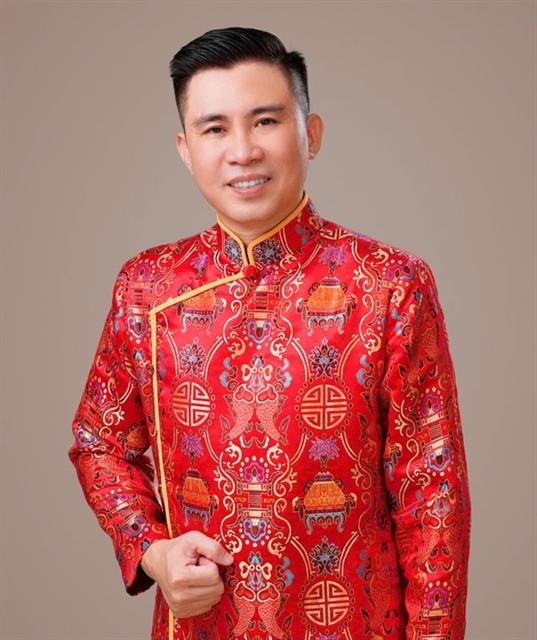
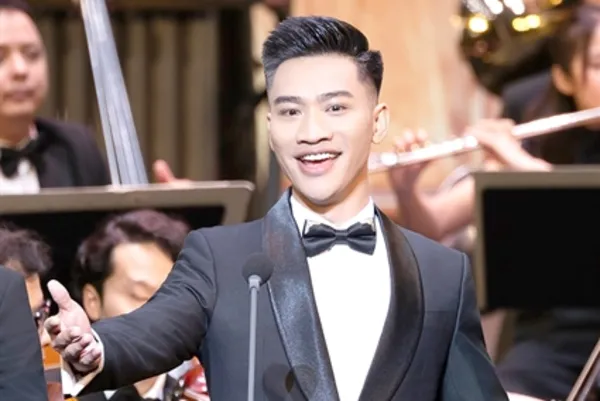
| Meritorious Trần Quang Khải. — Photo hanoimoi.vn |
A groundbreaking production honouring King-Monk Trần Nhân Tông is drawing young audiences by walking a creative tightrope between cải lương (reformed opera) and circus performance. Meritorious Artist Trần Quang Khải discusses blending the two art forms into one emotionally charged spectacle.
The production has received an enthusiastic response from young audiences. Did the strong audience response surprise you when you embarked on such an experimental artistic project?
When we first embarked on the project, we were aware of the broader social trends taking shape, particularly the evolving artistic demands of young audiences in today’s context.
Trần Nhân Tông was launched at a time when public interest in national history, solidarity and national pride was growing.
Notably, a large number of young people and university students have shown interest in the production. At present, young audiences account for as much as 70 per cent of theatre-goers.
It has been an encouragement and motivation for the creators.
What is the most important factor behind the production’s appeal, in your opinion?
From the very beginning of the production process, we carefully considered the audience’s emotional experience when watching a theatre production.
The production’s duration needs to be carefully balanced to avoid boring the audience. Inspired by a historical figure, we focus on artistic and entertainment elements aimed at conveying the production’s message and creating emotional connections with the audience.
Today’s audiences have changed the way they engage with art, so there is no longer a need for excessive explanation. Instead, they want to immerse themselves in the performance. When the audience and artists can truly connect through emotion, that is the greatest success of all.
You have participated in cải lương-circus performances. Could you tell us more about your direction in Trần Nhân Tông?
It is a special project marking the first time circus and cải lương have been brought together to fully portray the life of King-Monk Trần Nhân Tông.
The production is crafted in a mosaic format that retraces key chapters in the life of King Trần Nhân Tông (1258-1308), the third ruler of the Trần Dynasty and a Zen master who founded the Trúc Lâm Yên Tử Zen sect on Yên Tử Mountain in Quảng Ninh Province.
While the narrative spans his spiritual journey, the dramatic core focuses on his reign, portraying him as a wise and heroic leader who repelled Mongol invasions and unified the nation.
For me, this production represents a continuation of a creative direction I have pursued for some time. Previously, I took part in other cải lương-circus productions such as Cây Gậy Thần and Thượng Thiên Thánh Mẫu and I also portrayed King Trần Nhân Tông in the cải lương show Vua Phật (Buddhist King).
Those experiences have provided me with a deeper understanding of how to tell historical stories through performance, as well as how to harmonise two art forms that are seemingly contrasting genres.
Could you explain more about how circus and cải lương are blended in the production?
This really challenges me. The life of the King-Monk spans multiple periods and layers of meaning. If told traditionally, it would have resulted in an overly lengthy production.
Therefore, we chose an approach built around representative moments, yet rich in expressive power.
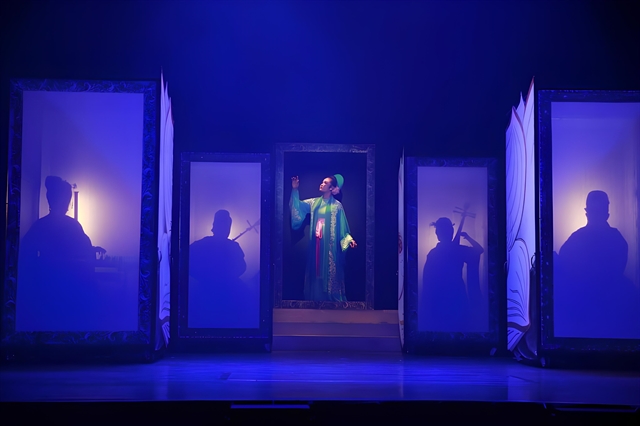
For us, the circus is never treated as a standalone element, but rather as part of the production’s storytelling language. Each act becomes a distinct artistic world, marking a new step in the development of large-scale integrated circus-theatre productions.
Advanced stage technologies further elevate the production, with a flexible stage system, LED projection screens and elaborate scenery creating a multi-dimensional environment. The creative team also envisages future applications of technologies such as 3D mapping and holograms.
The most important thing is that audiences do not notice the technique behind the performance, but instead simply experience the story through the seamless fusion of cải lương and circus.
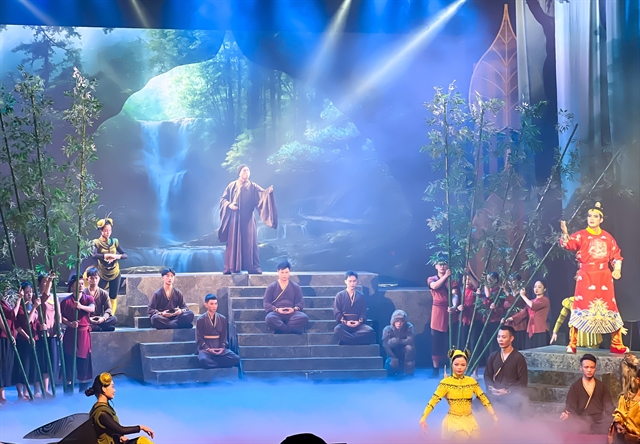
|
| A scene in Trần Nhân Tông performance co-directed by Meritorious Trần Quang Khải. Photo cucnghethuatbieudien.gov.vn |
How do you feel when young audiences bring their families to watch the show?
We have been deeply moved by the response. Some audience members return to see the production more than once and remember every detail on stage.
There have even been occasions when an artist was unable to perform due to a health condition. Audiences immediately noticed, expressed concern and shared their thoughts on social media, attracting thousands of interactions.
They have become companions in helping spread the production’s influence.
I believe that young audiences are not turning away from historical-themed theatre. Many may already have some understanding of history before coming to the theatre, and they attend in search of an emotional experience, to see how historical stories are brought to life on stage. That is why a production must be able to combine artistic value, entertainment and positive messages all at once.
What do you think about cross-over productions contributing to the goals of cultural development outlined in the Politburo’s Resolution No. 80?
The fusion of different performing art forms opens up new directions for traditional theatre, allowing historical stories to be told through a language that resonates more closely with contemporary life.
In doing so, it helps spread humanistic values and foster national pride. If done effectively, this could become one of the ways to elevate traditional arts and ensure their development in line with the demands of a new era. — VNS
Life & Style
 Life & Style
 Life & Style
 Life & Style
 Life & Style
 Life & Style
 Life & Style
 Life & Style
 Life & Style
 Life & Style
 Life & Style
 Life & Style
 Life & Style
 Life & Style
 Life & Style