 Economy



Police rescue two foreign tourists lost in Đà Nẵng forest
1.
|
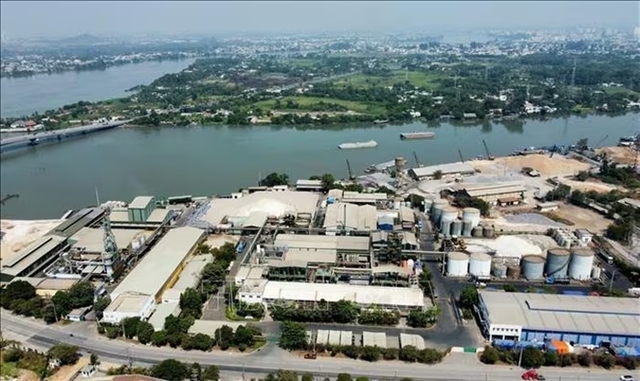
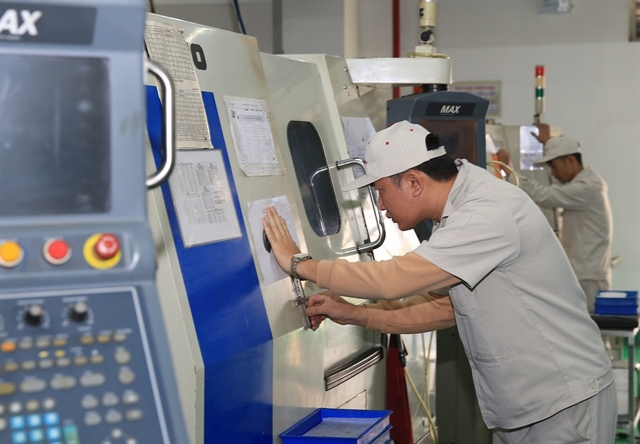
| HCM City’s industrial sector is ramping up output and scaling up greener capacity to meet rising year-end demand. — VNA/VNS Photo |
HCM CITY — Industrial producers in HCM City are accelerating production to meet the usual year-end surge in demand but with a focus on sustainable operations.
According to the city Department of Industry and Trade, the industrial production index (IIP) rose by 8.3 per cent in the first 11 months of 2025, with manufacturing remaining the main driver, posting an 11.5 per cent increase.
Key sectors such as electrical equipment, textiles and garments recorded solid gains thanks to improved supply chains and lower logistics costs following the city’s geographical and administrative reorganisation.
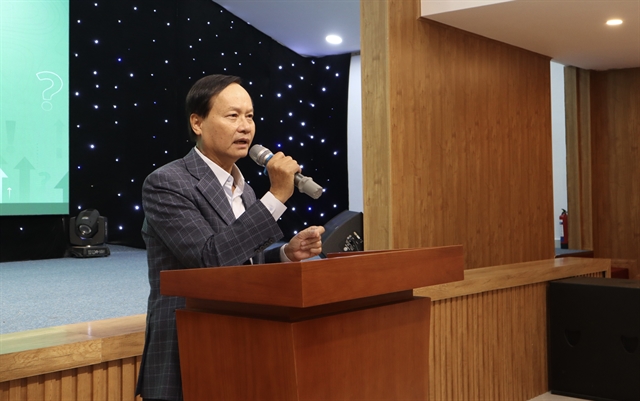
Phùng Quốc Mẫn, chairman of the HCM City Handicraft and Wood Industry Association, said the wood industry is entering a strong growth phase, supported by a fully developed supply chain that covers raw materials, production and distribution, along with favourable market conditions.
Việt Nam is currently the world’s second-largest exporter of wooden furniture, with HCM City accounting for nearly half of the country’s total export value.
However, experts noted that as global supply chains continue to restructure, businesses must shift from simple assembly and basic production to product design and development with higher technological value and lower environmental impact.
The domestic market and broader Southeast Asian region offer significant opportunities for companies pursuing green and sustainable manufacturing.
Many firms have already begun investing in new technologies and processes.
Park Se Yeol, general director of Orion Food Vina, said the company is advancing its “friendly packaging” initiative to reduce packaging weight and enhance recyclability.
It has also started construction of the Yên Phong 2C Factory to secure domestic packaging supply and cut emissions from transport.
Lê Tấn Dương, deputy general director of Saigon Industry Corporation (CNS), a State-owned group operating in machinery, electronics and supporting industries, said the shift toward green and circular industrial parks and cleaner logistics is now essential.
He called on the city to continue supporting the supporting-industry sector, boost localisation and increase investment in R&D.
Despite the positive outlook, businesses still face challenges including the need to lift productivity, optimise costs, transition to greener production and expand automation. — VNS
Economy
 Economy
 Economy
 Economy
 Economy
 Economy
 Economy
 Economy
 Economy
 Economy
 Economy
 Economy
 Economy
 Economy
 Economy