 Society
Việt Nam, Denmark elevate ties to Comprehensive Strategic Partnership
1.
|
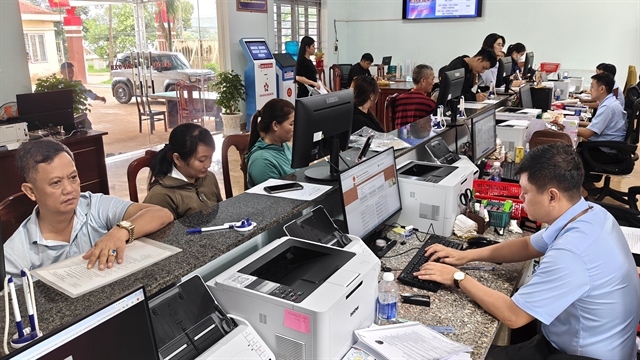
| The Đăk Ơ Commune Public Administrative Service Centre in Đồng Nai City. — VNA/VNS Photo K GỬIH |
ĐỒNG NAI — Đăk Ơ Commune in Đồng Nai City is making digital public services more accessible to ethnic minority residents through reforms under the Politburo’s Resolution No. 57.
In implementing Resolution No. 57, issued in December 2024, on breakthroughs in science, technology, innovation and national digital transformation, the commune has strengthened digital transformation in handling administrative procedures.
As more than 40 per cent of the population in Đăk Ơ, which borders Cambodia, is from ethnic minority groups with limited digital skills, the commune Public Administrative Service Centre has established support teams both at its headquarters and in villages.
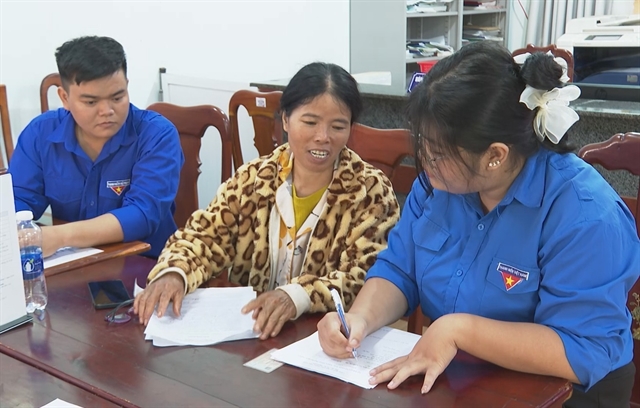
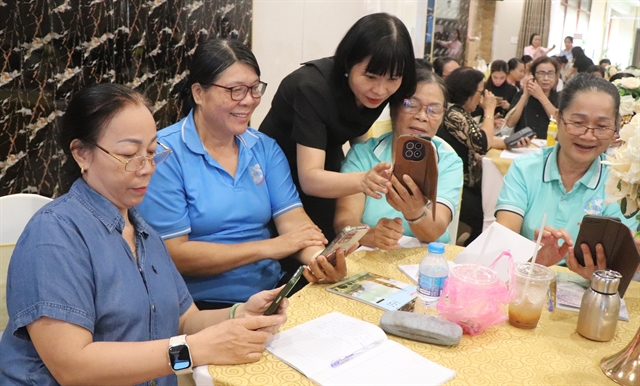
With the participation of the commune Youth Union and young volunteers familiar with technology, the teams help residents complete public procedures fully online.
For vulnerable groups with limited digital skills, commune officials regularly travel to villages to receive applications and provide guidance on administrative procedures, helping residents gradually adapt to the digital environment.
The commune centre has adopted the "six clear" principle: clear responsibilities, clear tasks, clear accountability, clear procedures, clear timelines and clear outcomes.
These measures have made administrative procedures more transparent while helping residents access online public services more easily.
|
| Members of a youth volunteer team help a resident complete administrative procedures at the Đăk Ơ Commune Public Administrative Service Centre. — VNA/VNS Photo K GỬIH |
Digital transformation was once a major challenge for many ethnic minority residents because of limited access to technology.
However, with administrative procedures now accepted and processed at the commune level, together with direct guidance from officials on each online step, people living in the border area have found it easier to complete applications.
Điểu Ma Lơn, a resident of Bù Khơn Village, who has directly benefited from the new model, said residents previously had to travel to the district centre to complete paperwork, which was both time-consuming and costly.
Now, applications are processed at the commune, making administrative procedures much more convenient, he said.
He said that using computers and smartphones to access online public services was initially difficult, particularly for older people and those with limited literacy.
However, the patient guidance provided by officials and support teams has helped residents gradually become familiar with scanning QR codes, entering information and completing applications electronically, he said.
Positive feedback from local residents shows that the new public administration model is delivering practical benefits in the border area.
The improvement is reflected not only in administrative procedures but also in the professionalism and service attitudes of officials and civil servants.
La Văn Dũng, a resident of Bù Khơn Village, said simpler procedures and the friendly, helpful attitude of officials has made it easier for residents to deal with government agencies.
Administrative procedures at the centre are now much more convenient for local people because officials process applications quickly, so there is little waiting time, he said.
“Everyone is pleased and hopes the authorities will continue improving services for the people," he said.
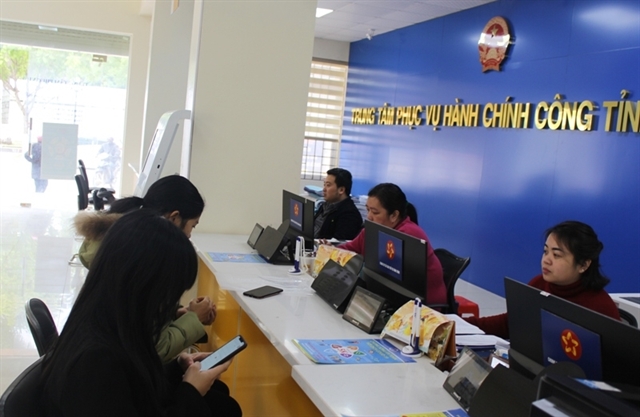
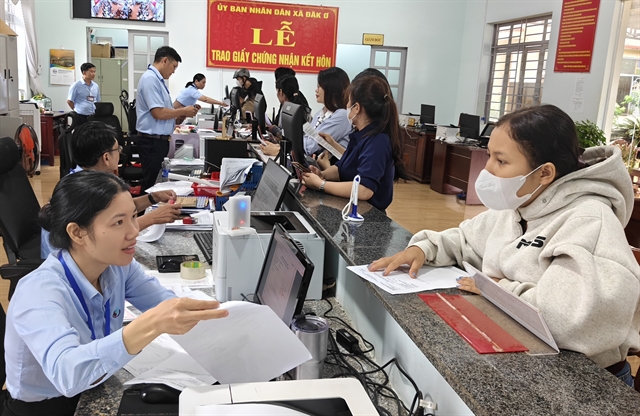
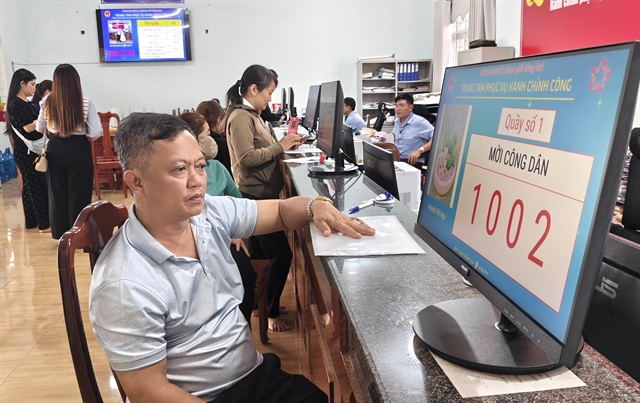
All officials and civil servants at the centre now have computers, printers, scanners, high-speed internet, an automatic queueing system and information screens, making it easier for residents and businesses to access public services.
|
| Officials and civil servants at the Đăk Ơ Commune Public Administrative Service Centre work to improve services for residents. — VNA/VNS Photo K GỬIH |
People-centred services
The centre receives and processes administrative applications and returns the results using software systems operated by ministries and sectors.
The streamlined process allows applications to be handled quickly, helping local people save time and travel costs.
It also allows commune leaders to track applications and quickly identify any delays that need to be addressed.
Hoàng Thị Hải Yến, who has been head of Village 9 for nine years, said the most noticeable change since the two-tier local government model came into operation has been the improved attitude of staff at the one-stop service centre.
She said the warm welcome, clear guidance and friendly attitude of officials have made border residents feel more confident when handling administrative procedures.
However, while document management has become more transparent and organised, she said the software systems sometimes still operate slowly. Residents hope the systems will be improved further to reduce processing times.
|
| Residents complete administrative procedures online at the Đăk Ơ Commune Public Administrative Service Centre. — VNA/VNS Photo K GỬIH |
Nguyễn Văn Cường, director of the centre, said: “The centre always puts public service first and uses the satisfaction of residents and businesses as a measure of its performance.”
He said inspections and supervision are carried out regularly. Officials and civil servants also set weekly, monthly and quarterly targets, which are used to assess their professional skills and the quality of their service.
Differences in education levels mean officials have to spend considerable time helping each applicant, he said.
Meanwhile, specialised software systems are still being improved, while occasional network congestion occurs due to limitations in the transmission infrastructure, he added.
Despite these challenges, officials at the centre remain committed to working with residents to improve service quality.
By putting residents first and maintaining the commitment of its officials, the centre is helping overcome technological barriers, support digital transformation and build a more efficient and transparent administration in the border area. — VNS
Society
 Society
 Society
 Society
 Society
 Society
 Society
 Society
 Society
.png) Society
Society
 Society
 Society
 Society
 Society
 Society