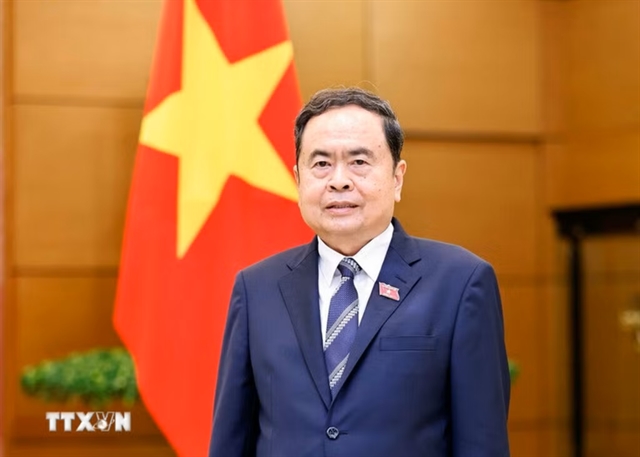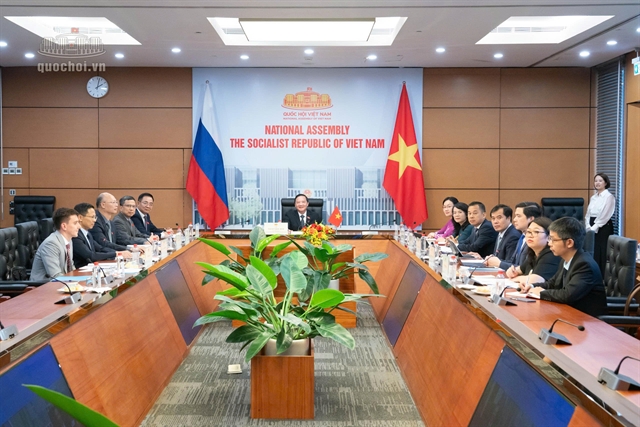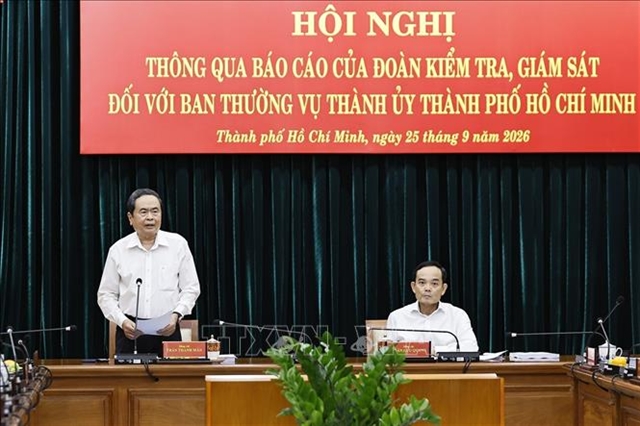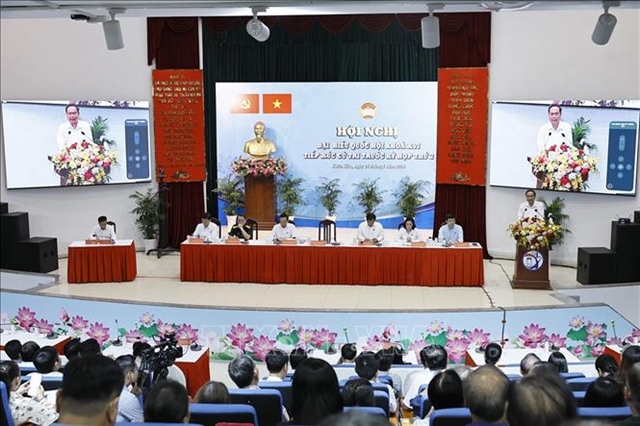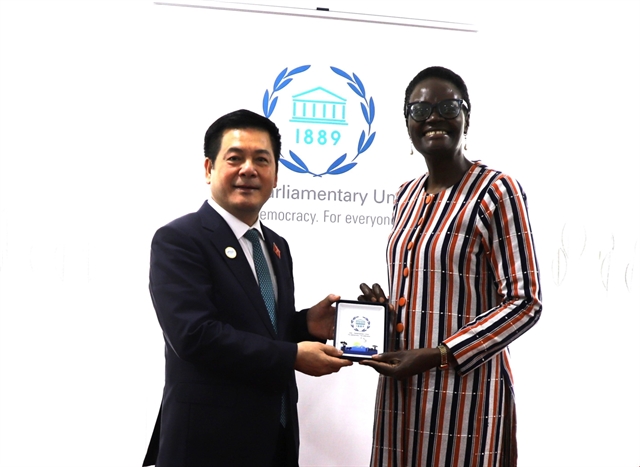
National Assembly President Trần Thanh Mẫn called for stronger roles for people’s inspection boards, community investment supervision boards and other grassroots oversight mechanisms as he met with voters in HCM City on Friday.
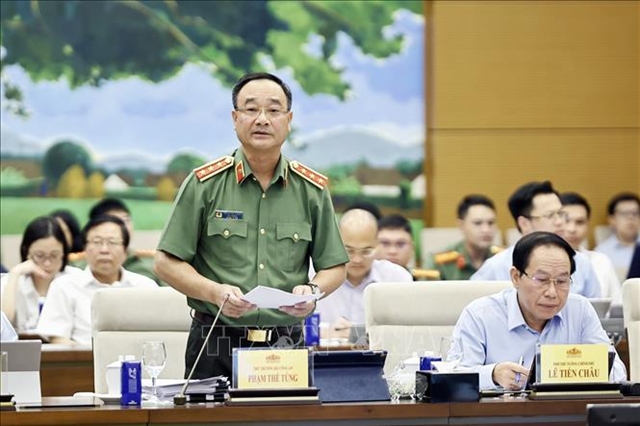
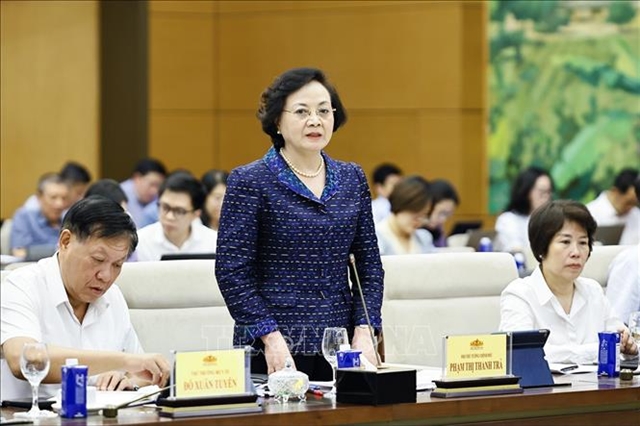
Lawmakers on Friday discussed draft amendments to the Penal Code, which propose to narrow the scope of the death penalty from 10 to four offences.
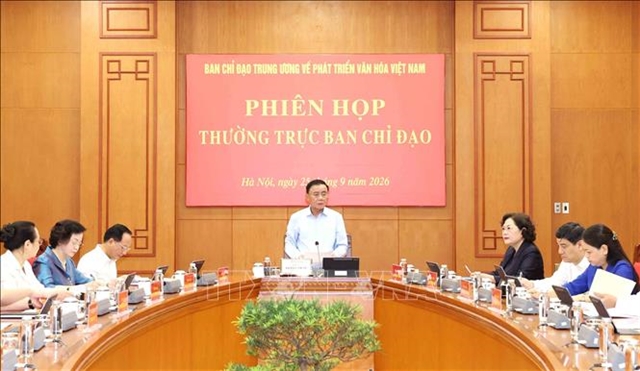
Cultural spending should reach at least 2 per cent of total State budget expenditure, with greater efficiency in allocation and disbursement and stronger mobilisation of social resources, said Politburo Member and Standing Member of the Party Central Committee’s Secretariat Trần Cẩm Tú.
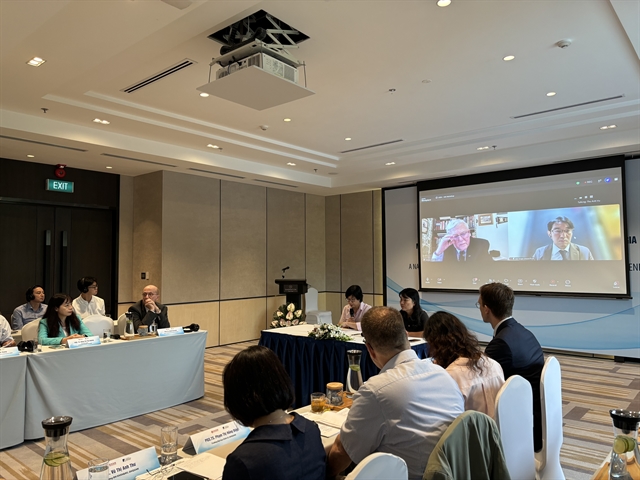
Experts at the workshop agreed that in the context of East Asia’s growth, the development model of Việt Nam during the 40 years of Đổi mới is a hybrid one.
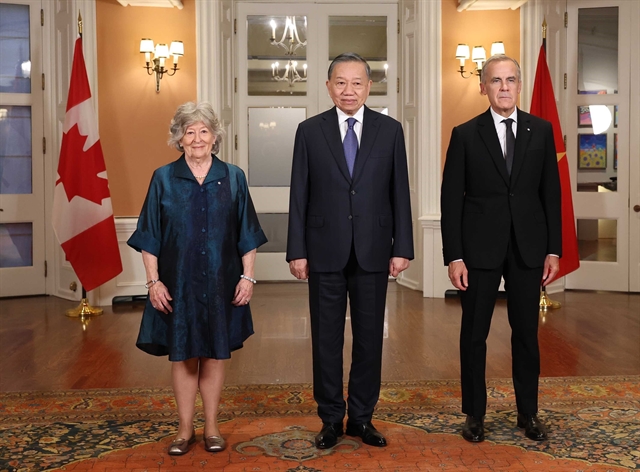
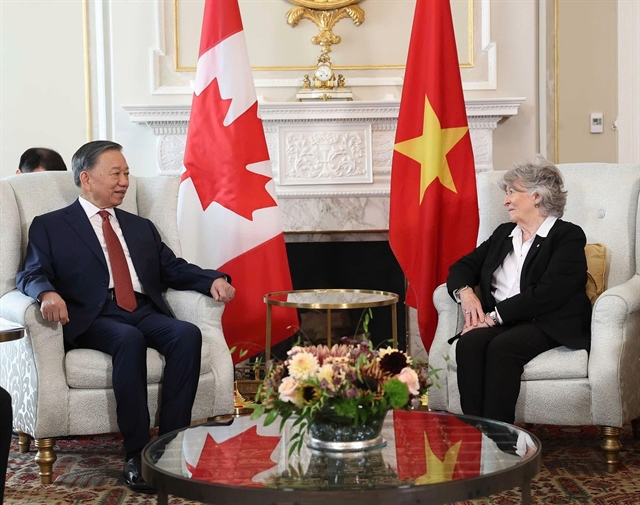
More than 50 years after establishing diplomatic ties, Việt Nam and Canada have built a Comprehensive Partnership spanning trade, education, development and defence — one that both sides are now looking to lift higher still.
Twenty foreign delegations, six led by ministers, are set to attend Việt Nam's third international defence expo, where organisers plan AI-assisted security and a drone swarm demonstration.
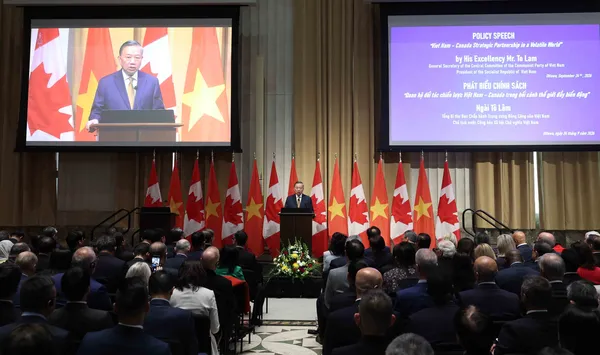
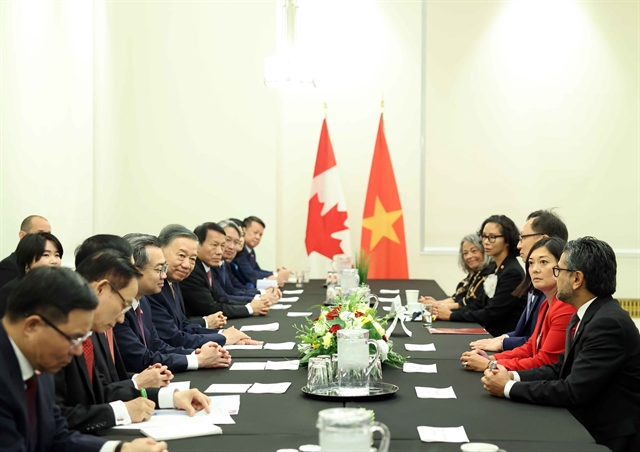
Việt Nam's top leader said defence and security cooperation should be gradually expanded to help reinforce strategic trust. Science and technology, innovation, and education and training must become new drivers of growth, with the two sides jointly conducting research and development in such fields as nuclear energy, semiconductors, artificial intelligence, quantum technology, digital transformation, and green technology.
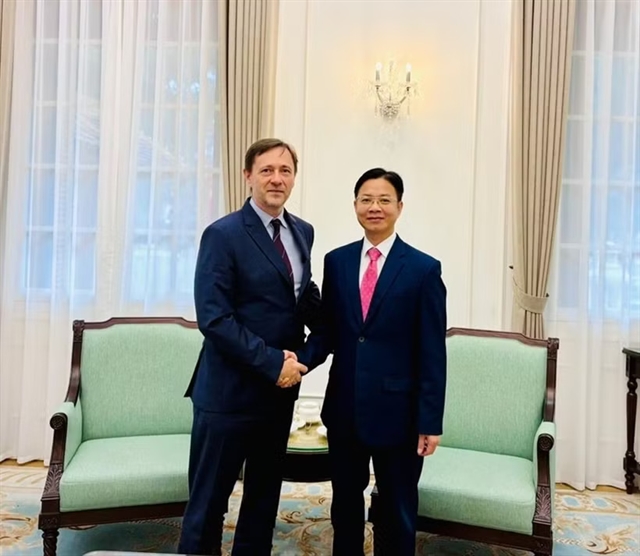
Hungary is one of Việt Nam’s leading important partners in Central and Eastern Europe. Việt Nam attaches importance to and wishes to continuously strengthen multifaceted ties with the country.
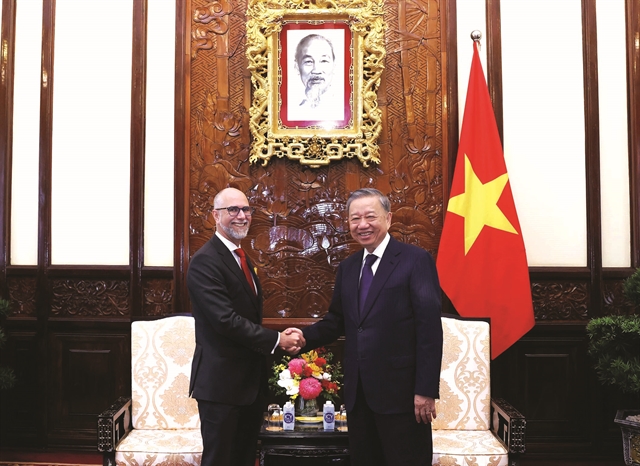
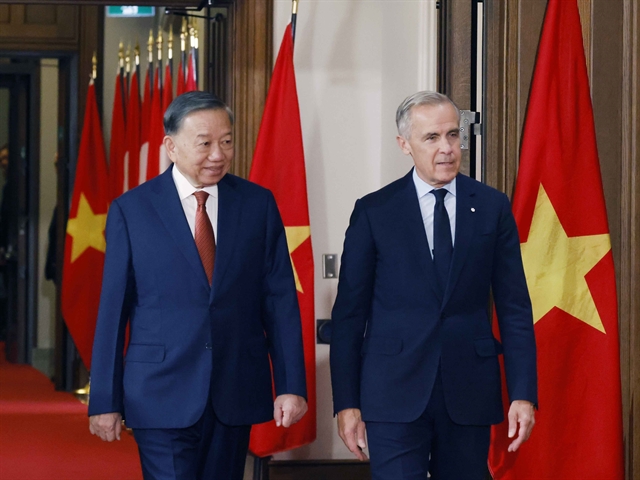
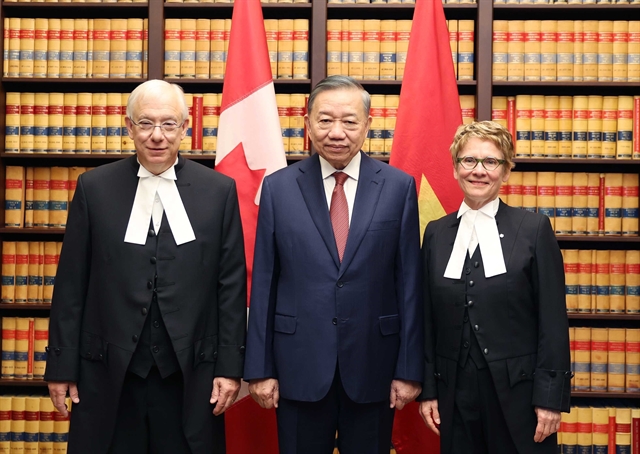
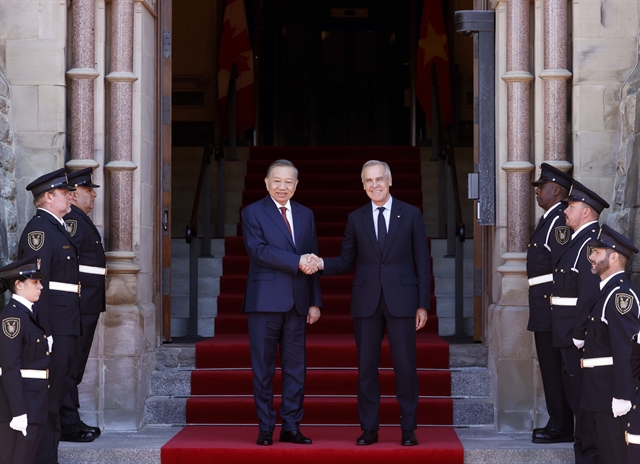
General Secretary and President Tô Lâm said on its journey to becoming a developed country, Việt Nam hopes to have Canada as a partner, he said, expressing his hope that Canada will see Việt Nam as a natural, close and trusted partner in Southeast Asia.
Leaders recognized the importance of sustained engagement to reinforce the institutional foundations of the bilateral relationship, facilitate cooperation on shared priorities, and support the effective management of emerging challenges and opportunities.
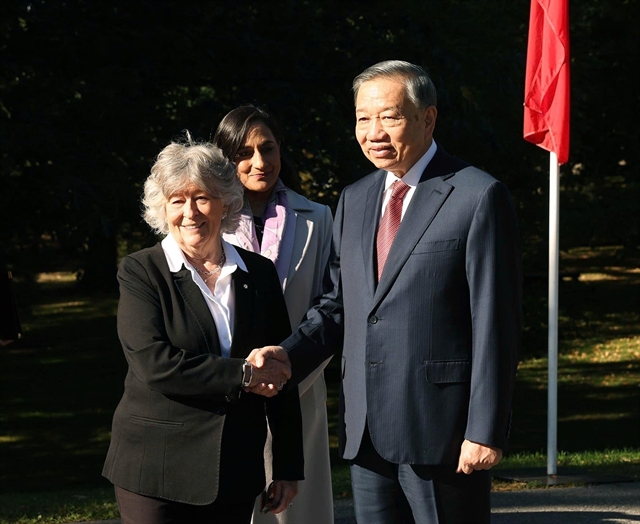
The Speakers of the Senate and the House of Commons affirmed that bilateral relations have been built on a foundation of decades of shared goals, common interests, and enduring friendship. They expressed their belief that the coming years would open up many new opportunities to further deepen relations between the two countries and their people.
The two leaders agreed that Việt Nam–Canada relations have made important achievements over more than 50 years of building and consolidating friendship and nearly a decade of implementing the Comprehensive Partnership framework.
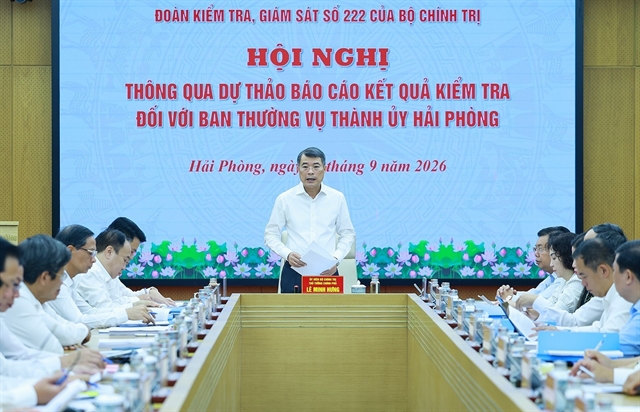
A central Party inspection team praised Hải Phòng City's progress on personnel reform, technology and digital transformation, but PM Lê Minh Hưng pressed the city to sharpen leadership quality and hit a 13 per cent growth target next year.
With 25 members across Canada's Senate and House of Commons, the Friendship Group affirmed its role as a bridge for bilateral relations, as Tô Lâm pushed for breakthroughs in AI, aerospace and clean energy cooperation.
The two countries should create new growth drivers by strengthening cooperation in science and technology, innovation, digital transformation, artificial intelligence and advanced technologies; while expanding cooperation in energy, green development, environmental protection, climate change response, health care, high-tech agriculture, food security and sustainable development.
The partnership has grown robustly across multiple areas, driven by complementary strengths and aligned national interests. Both are bound by a shared commitment to a stable, open, and prosperous Indo-Pacific region.
The National Assembly Standing Committee discussed the draft revised Law on Food Safety in Hà Nội on Thursday afternoon.
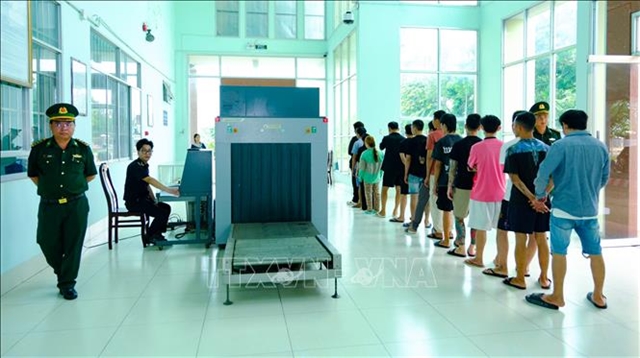
The 18 men and five women had been identified by Cambodian authorities as being involved in suspected online scams and illegal employment, entry or residence in Cambodia.