 Politics & Law
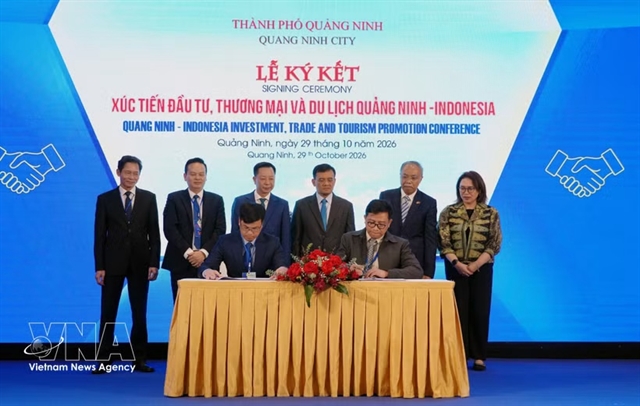
Quảng Ninh promotes comprehensive cooperation with Indonesian partners
1.
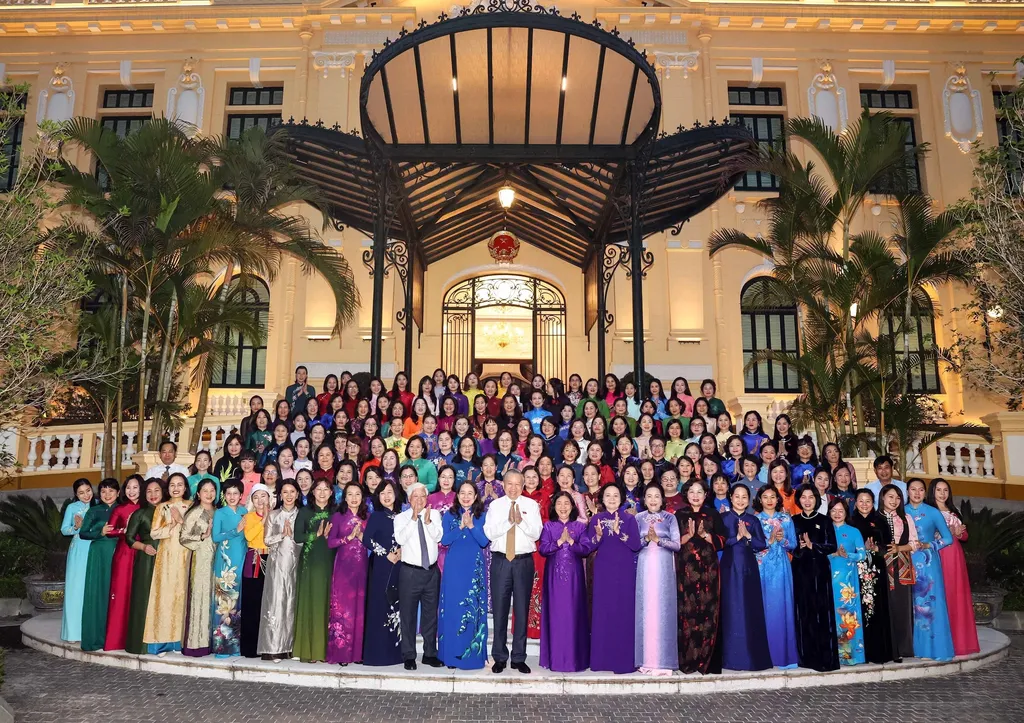 |
| General Secretary & President had a meeting on October 29 in Hà Nội with female deputies to the 16th National Assembly. — VNA/VNS Photo |
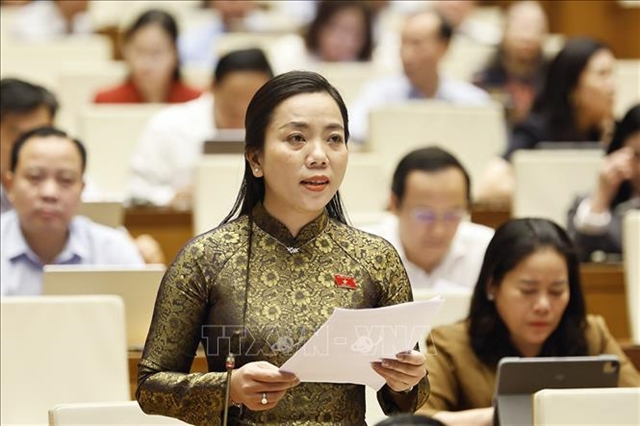
HÀ NỘI — General Secretary of the Communist Party of Việt Nam Central Committee and President Tô Lâm met with female deputies to the 16th National Assembly (NA) in Hà Nội on Thursday, urging them to strengthen their role in lawmaking, policymaking and oversight, promote substantive gender equality and contribute to national development.
Reporting at the meeting, Nguyễn Thị Thanh, member of the Party Central Committee, NA Vice President and President of the Group of Female Deputies to the 16th NA, said the 16th legislature has 150 female deputies, accounting for 30 per cent of its membership.
In his remarks, General Secretary and President Lâm commended the contributions of generations of female deputies, stressing that the 16th legislature bears a major responsibility for institutionalising the Resolution of the 14th National Party Congress, realising development goals through 2030 and laying the groundwork for the country’s vision towards 2045.
Amid rapid global changes and advances in science and technology, he said, Việt Nam faces major opportunities alongside growing demands for self-reliance, institutional quality and national competitiveness. Every decision made today must address immediate needs while paving the way for the country's long-term development.
The Party and State leader emphasised that women’s intelligence, capabilities and mettle must be fully brought into play. Gender equality, he said, is not only a constitutional right but also a prerequisite for development quality. When women are denied opportunities to study, work or contribute because of prejudice, the country loses part of its human potential. Ensuring gender equality is therefore the responsibility of the entire political system and society, and must be reflected in policies and the daily work of every organisation and individual.
He called on female deputies to contribute proactively to lawmaking from the earliest stages, ensuring that policies are grounded in practical evidence, constitutional, consistent and enforceable. They should identify shortcomings before laws are adopted, put forward initiatives in the common interest, maintain their independent judgement and uphold integrity to prevent group interests from distorting policymaking.
He also urged them to engage deeply in decisions on socio-economic development and public finance, particularly the 2027 socio-economic development plan and budget, ensuring that growth targets are matched by efficient resource allocation and improvements in people’s living standards. Policies should create favourable conditions for production, higher-value products, job creation and income growth, while assessing whether women can participate in and benefit from development opportunities.
General Secretary and President Lâm stressed that deputies must remain close to people, improve oversight and persistently follow up on petitions until they are properly addressed. They should regularly visit grassroots communities, listen to people with limited access to formal forums and determine whether individual hardships reflect broader policy shortcomings. Their reports must be accurate and verified, with voters kept informed of results and outstanding issues.
He called on NA bodies and delegations to enable female deputies to participate in major oversight activities, with findings used to improve legislation, adjust policies and hold responsible parties accountable. The quality of recommendations, follow-up results and voter confidence should be key measures of deputies’ performance.
The top leader further urged practical measures to expand women’s opportunities, recognise the value of care work, encourage men to share family responsibilities and develop support services that give women more time for education, employment and relaxation. Party committees and leaders must take responsibility for identifying, training and appointing female officials, while experienced deputies should mentor promising successors.
He also called for stronger professional capacity, more effective operations of the Group of Female Deputies and greater contributions to parliamentary diplomacy. Female deputies should confidently take on difficult tasks, conduct in-depth research and pursue selected issues throughout their tenure. The NA’s Party Committee, its Standing Committee and relevant agencies should provide adequate research resources, data and professional support.
In international parliamentary engagement, female deputies should proactively safeguard national interests, contribute to peace, enhance Việt Nam's standing, and promote gender equality and the role of women in peace and development. — VNA/VNS
Politics & Law
 Politics & Law
 Politics & Law
 Politics & Law
 Politics & Law
 Politics & Law
 Politics & Law
 Politics & Law
 Politics & Law
 Politics & Law
 Politics & Law
 Politics & Law
 Politics & Law
 Politics & Law
 Politics & Law