 Politics & Law
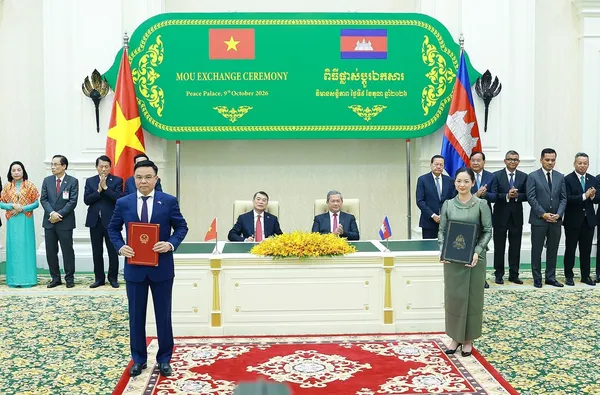
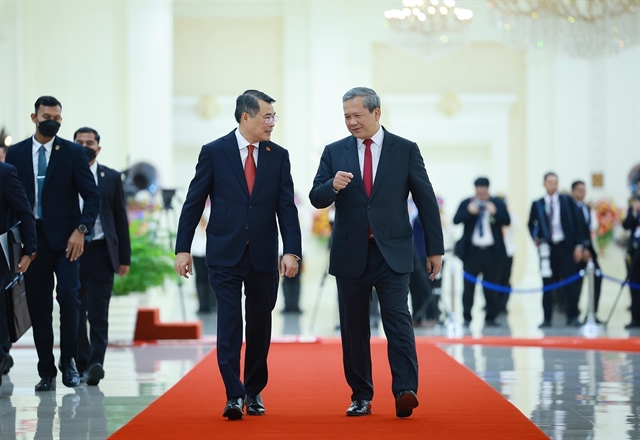
Vietnamese Prime Minister meets Cambodian National Assembly President
1.
|
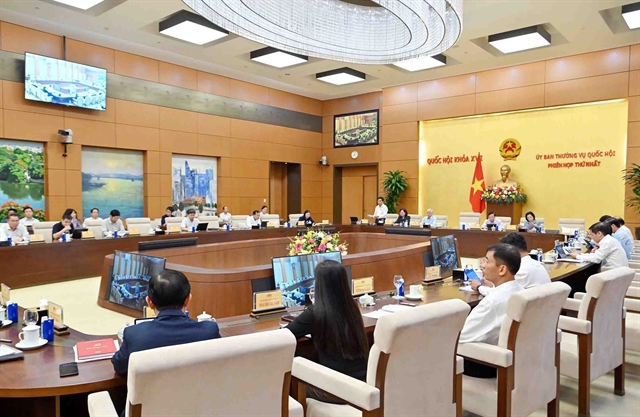
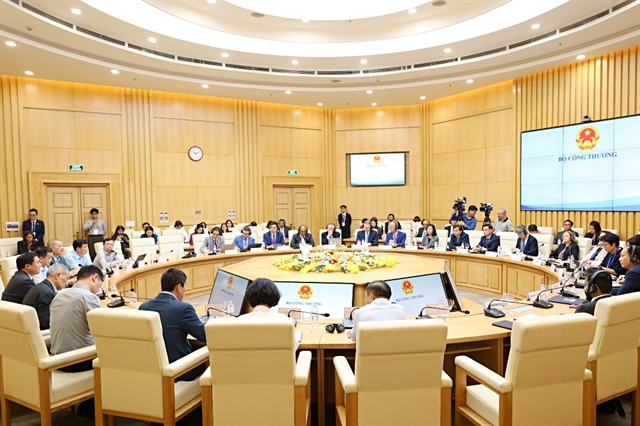
| Delegate at the meeting. — VNA/VNS Photo Phạm Kiên |
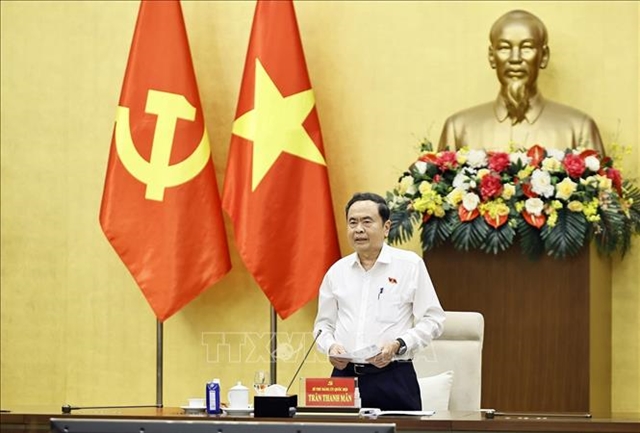
HÀ NỘI — The National Assembly Standing Committee (NASC) yesterday discussed a draft resolution to pilot a public lawyer institution as part of its ongoing first session and examined revisions to a separate draft aimed at strengthening Việt Nam’s capacity to prevent and settle international investment disputes.
Presenting the Government’s submission report, Deputy Minister of Justice Nguyễn Thanh Tú said the proposed resolution would lay legal groundwork for piloting a public lawyer institution from October 1, 2026, to September 30, 2028.
According to the Government, the initiative is intended to improve the protection of lawful rights and interests of State agencies, organisations within the political system, and the State in State-owned enterprises. It also aligns with judicial reform requirements and the ongoing drive to streamline and reorganise the political system’s apparatus.
The pilot is set to be carried out at eight ministries, including National Defence, Public Security, Construction, Finance, Justice, Industry and Trade, Foreign Affairs, and Agriculture and Environment. It will also be implemented at the People’s Committees of Hà Nội, HCM City, Đà Nẵng, Hải Phòng, Cần Thơ, Quảng Ninh, Khánh Hòa, Lâm Đồng, Đồng Nai and Bắc Ninh, as well as in State-owned enterprises.
The draft resolution applies to all agencies, organisations and individuals involved in the pilot scheme.
To ensure the immediate formation of a capable contingent of public lawyers, the draft provides flexible entry pathways.
Those exempt from both professional training and apprenticeship under the Law on Lawyers include officials, civil servants and public employees; officers of the Việt Nam People’s Army and the People’s Public Security forces; and employees of State-owned enterprises who are professors or associate professors of law, doctors of law, senior specialists, senior researchers or senior lecturers in the legal field.
Principal specialists, principal researchers and principal lecturers in law working in the public sector or State-owned enterprises will be exempt from professional training and have their apprenticeship period reduced by two-thirds. They must complete a four-month apprenticeship and pass the required assessment.
Those with ten years or more of experience as principal specialists, principal researchers or principal lecturers in law will have their apprenticeship reduced by half. They must complete a legal training course, undertake a six-month apprenticeship and pass the assessment.
The draft also opens the door to experienced lawyers, experts and scientists currently working outside the public sector to be recruited into the civil service or armed forces in accordance with existing decrees on recruitment and talent attraction.
In its appraisal, the National Assembly’s Committee on Law and Justice backed the resolution, saying it would institutionalise the Politburo’s Conclusion No. 23-KL/TW dated April 7, 2026, on developing the public lawyer institution in Việt Nam.
The committee said the draft is not unconstitutional, though some provisions differ from or are not yet covered by existing laws, making a pilot resolution appropriate under the Law on Promulgation of Legal Documents.
Stronger mechanisms for investment disputes
During the same sitting, the NASC also considered revisions to a draft resolution on coordination mechanisms and special policies to enhance the effectiveness of preventing and resolving international investment disputes.
Deputy Minister Tú said the draft primarily regulates the prevention and settlement of international investment disputes. However, it also allows certain provisions to be applied more broadly to safeguard the lawful rights and interests of the State, the Government and Vietnamese State agencies.
Addressing concerns about the specialised capacity of the State management agency responsible for foreign investment, he said the agency is fully capable of performing assigned tasks, as outlined in the Government’s earlier Submission Report No. 156.
The agency plays a leading role in negotiating commitments in investment promotion and protection agreements, including dispute settlement provisions involving the State and foreign investors. It has consistently taken part in inter-agency task forces handling international investment disputes and has built up practical experience.
Regarding policy support for personnel engaged in this work, the deputy minister said the proposed special regimes are grounded in existing resolutions, including Resolution 179/2025/QH15 on law-making and Resolution 250/2025/QH15.
He emphasised that those directly involved in preventing and resolving international investment disputes are highly qualified experts engaged in international integration. Given differing workloads among agencies, the draft classifies policies into separate groups to ensure both practicality and feasibility. — VNS
Politics & Law
 Politics & Law
 Politics & Law
 Politics & Law
 Politics & Law
 Politics & Law
 Politics & Law
 Politics & Law
 Politics & Law
 Politics & Law
 Politics & Law
 Politics & Law
 Politics & Law
 Politics & Law
 Politics & Law