 Politics & Law
Top Vietnamese leader highlights new horizon for Việt Nam–Denmark cooperation
1.

|
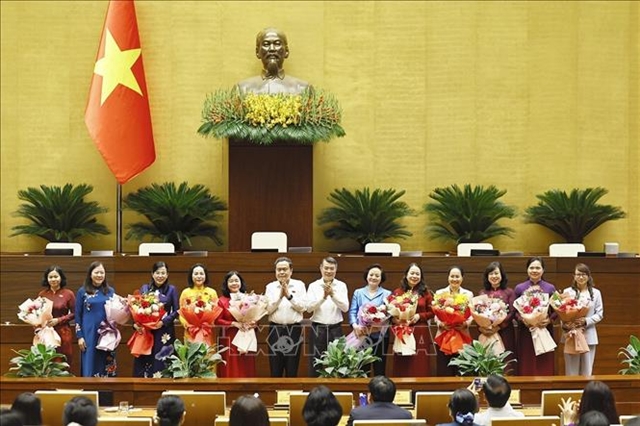
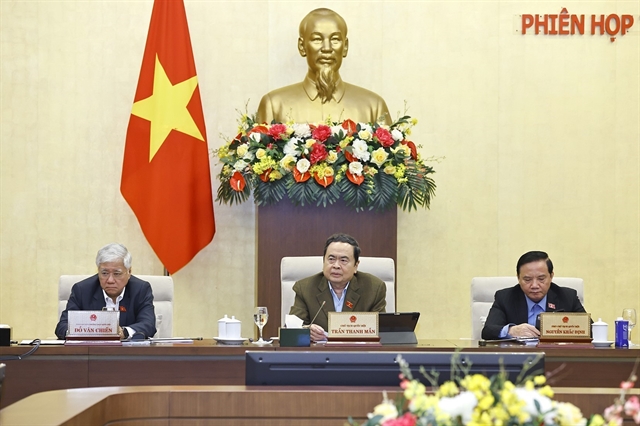
| National Assembly Chairman Trần Thanh Mẫn delivers a speech at the 53rd session of the NA Standing Committee on Monday in Hà Nội.—VNA/VNS Photo Doãn Tấn |
HÀ NỘI — A report on public petitions submitted to the National Assembly (NA) in December 2025 needs to place greater emphasis on food safety, an issue that has become increasingly acute and continues to expose significant gaps in regulatory oversight.
Nguyễn Thanh Hải, chairwoman of the NA Committee on Science, Technology and the Environment, made the statement on Monday morning as the NA Standing Committee reviewed the report during its 53rd session.
Hải cited a recent case involving Hạ Long Canned Food Joint Stock Company (HALONG CANFOCO), which was found to have used pork infected with African swine fever in processed products sold on the market, saying the incident had sparked widespread public outrage and had far-reaching consequences.
She said the case serves as a serious warning about food safety management, revealing a blatant disregard for public health, even among large and well-known brands.
Under current regulations, all livestock infected with disease must be destroyed, Hải said, raising a series of pressing questions.
“Was there any attempt to conceal the outbreak? How was the destruction of infected animals managed? How were environmental hygiene and safety ensured during transportation and disposal? And which authority bears primary responsibility for State management in this case?” she asked.
While acknowledging that the incident may be an isolated case, Hải still warned that it could nonetheless undermine public confidence in canned and processed food products more broadly.
Report review
In an earlier presentation on the report, chairman of the Ombudsman Committee of the NA Standing Committee Dương Thanh Bình said voters and the public continue to express confidence in the Party’s leadership in steering the country towards development and achieving the goal of becoming a prosperous, powerful and developed nation by 2045.
The public also appreciates the coordination between the NA and the Government in law-making, policy issuance and implementation, which has helped build consensus and improve the effectiveness of State governance, he said.
Authorities are seen as maintaining a firm grasp of the situation and adopting proactive, flexible and timely responses, balancing short-term solutions with medium- and long-term development goals.
However, voters and the public have also voiced concerns over rising prices for certain essential consumer goods, the proliferation of counterfeit and substandard products, especially towards the end of the year, and the need for an appropriate roadmap to transition from petrol-powered personal vehicles to electric ones, in line with socio-economic conditions and public affordability.
Other concerns included wage and remuneration policies for officials, civil servants, public employees and retirees, which many feel no longer ensure adequate living standards amid inflation and rising living costs.
Policies for part-time local administrative workers are also seen as disproportionate to their workload and responsibilities.
Prolonged and sharp fluctuations in gold prices have had a notable impact on livelihoods, fuelling public anxiety and affecting the monetary market, with knock-on effects on the prices of essential goods.
Environmental pollution and public health, particularly the rising number of cancer cases in recent years, also feature prominently among voters’ concerns.
In addition, traffic congestion and accidents during holidays remain a persistent issue. Illegal trading, transportation, storage and use of fireworks also continue to cause serious harm to public health and safety.
Recommendations
In response, the Ombudsman Committee recommended that the NA Standing Committee urge the Government and the Prime Minister to continue directing action on issues of public concern.
Specifically, relevant ministries, sectors and local authorities should strengthen preparations to ensure adequate supplies of goods for Tết (Lunar New Year), stabilise markets and prices, and enhance market management, price control and the fight against smuggling, trade fraud and counterfeit goods to protect consumers’ rights.
Authorities are also urged to develop a reasonable roadmap for the transition to electric vehicles, accompanied by appropriate support policies and enhanced public communication.
The Ministry of Health was tasked with conducting comprehensive and scientific assessments of the causes behind the rising incidence of cancer, while tightening supervision of food safety management and strictly handling violations to safeguard public health.
Meanwhile, the State Bank of Vietnam is urged to adopt further measures to stabilise the gold market in line with the country’s socio-economic development conditions, limiting spillover effects on prices for essential goods and helping to stabilise livelihoods.
Echoing the concerns raised, NA Chairman Trần Thanh Mẫn called on the Government, ministries and local authorities to pay greater attention to resolving issues raised through constituency meetings and those compiled by the Central Committee of the Việt Nam Fatherland Front.
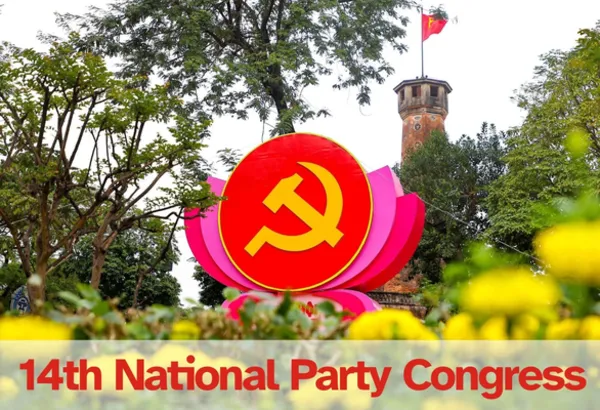
Mẫn said that as the 14th National Party Congress is scheduled for January 19 to 25, ministries and localities should move swiftly after the event to translate its resolutions into practice.
Regarding preparations for the first session of the 16th National Assembly, Mẫn said the meeting would go beyond personnel matters, with many key decisions to be made to usher the country into a new era of development.
He called on agencies and units to begin preparations early, ensuring proper procedures and good documentation, particularly the timely submission of materials to deputies.— VNS
Politics & Law
 Politics & Law
 Politics & Law
 Politics & Law
 Politics & Law
 Politics & Law
 Politics & Law
 Politics & Law
 Politics & Law
 Politics & Law
 Politics & Law
 Politics & Law
 Politics & Law
 Politics & Law
 Politics & Law