 Opinion
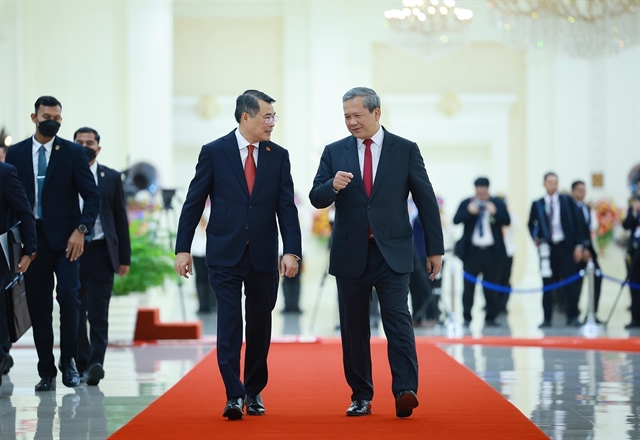
Cambodian PM Hun Manet chairs welcome ceremony for Vietnamese counterpart Lê Minh Hưng in Phnom Penh
1.
|
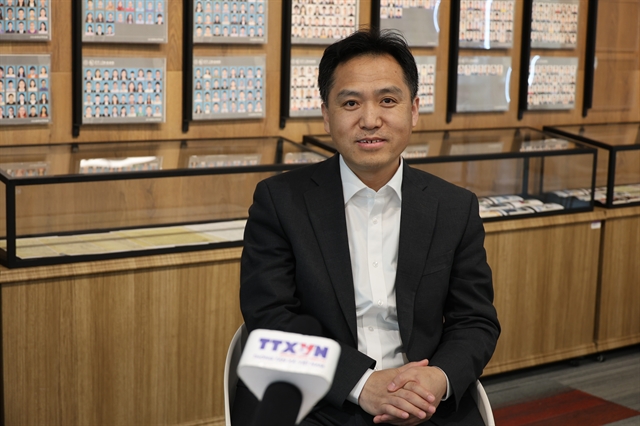
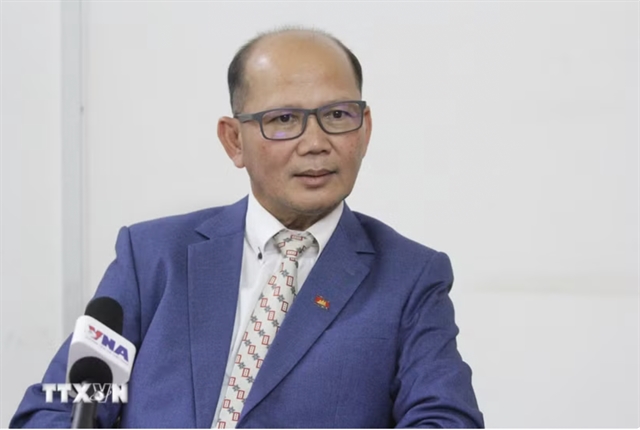
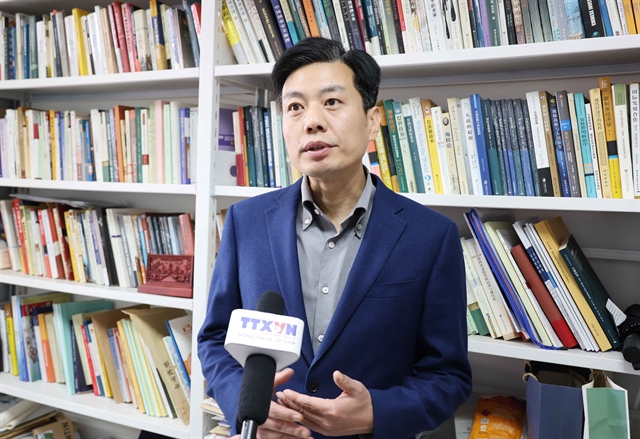
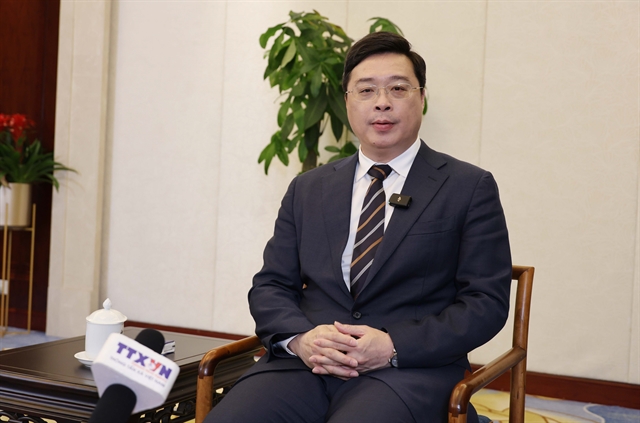
| Professor Liu Shuming, Dean of the School of Environment at Tsinghua University. — VNA/VNS Photo |
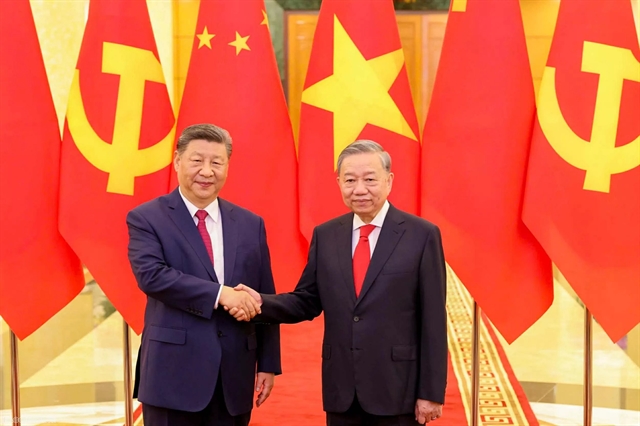
BEIJING — The recent state visit to China by General Secretary of the Communist Party of Vietnam (CPV) Central Committee and State President Tô Lâm not only strengthened political relations but also created practical momentum for cooperation in science, education, and sustainable development between the two countries, said a Chinese scholar.
Assessing General Secretary and President Tô Lâm’s speech at Tsinghua University during the April 14-17 visit, Professor Liu Shuming, Dean of the School of Environment at Tsinghua University, said he was “deeply inspired,” especially by the content directly related to the environmental sector.
He noted that the Vietnamese leader’s emphasis on environmental factors in bilateral cooperation is noteworthy, reflecting a long-term vision aligned with global sustainable development trends.
“Working in environmental protection, I feel particularly encouraged that this issue has been clearly highlighted in the Việt Nam–China cooperation orientation,” he stressed.
In addition, Professor Liu highly appreciated the description of bilateral relations using the imagery “mountains touching mountains, rivers embracing rivers,” noting that this expression is “very authentic, emotionally rich, and accurately reflects the reality of traditional friendship.”
In particular, he emphasised the “three pillars” of cooperation outlined by General Secretary and President Tô Lâm, namely taking substantive cooperation as the foundation, science and technological innovation as the driving force, and the younger generation as the bridge.
According to Professor Liu, these orientations are “highly relevant to education and scientific research, and provide an important foundation for promoting cooperation between educational and research institutions of the two countries.”
Regarding specific directions for cooperation between universities of the two countries, he identified three main areas, including human resource training; scientific research, especially in the environmental sector; and people-to-people exchanges, especially among young generations.
He noted that Chinese universities, including Tsinghua University, are ready to receive Vietnamese students for long-term study as well as short-term exchange programmes. In addition, the two sides can develop joint training programmes to improve the quality of human resources.
According to him, Việt Nam and China are developing countries facing similar challenges such as environmental pollution, climate change, and natural disasters. China has achieved significant progress in improving environmental quality over the past 40 years, including noticeable improvements in air quality in Beijing and water quality in several river basins in recent years. These experiences could be useful for sharing with Việt Nam.
“As Việt Nam has a strong demand for pollution control, environmental improvement, and responses to phenomena such as flooding. The two countries can fully implement joint research projects to address these challenges,” he stated.
Promoting the exchange of students and lecturers, and academic programmes will help build a solid social foundation for bilateral relations, he added.
Professor Liu Shuming assessed that General Secretary and President Tô Lâm’s state visit to China created an “atmosphere of positive, open, and substantive cooperation,” while also opening up new opportunities for collaboration between educational and research institutions of the two countries.
With the foundation of traditional friendship and clear orientations for cooperation in key areas such as science and technology, environment, and human resource training, Việt Nam and China are fully capable of elevating their cooperation to a higher level, making practical contributions to sustainable development in each country and the region, he stressed. — VNA/VNS
Opinion
 Opinion
 Opinion
 Opinion
 Opinion
 Opinion
 Opinion
 Opinion
 Opinion
 Opinion
 Opinion
 Opinion
 Opinion
 Opinion
 Opinion