 Life & Style
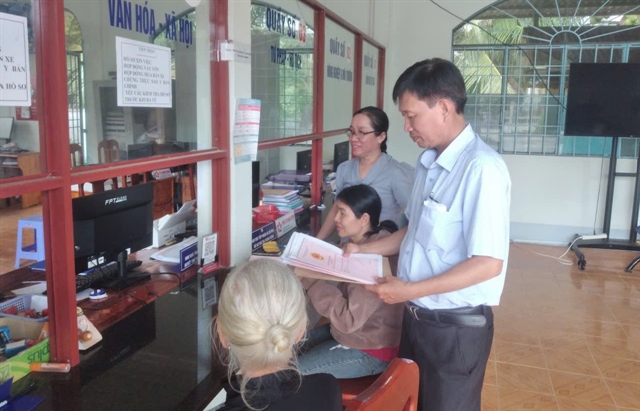
The district tier disappeared, but the work did not: how local officials deal with larger caseloads
1.
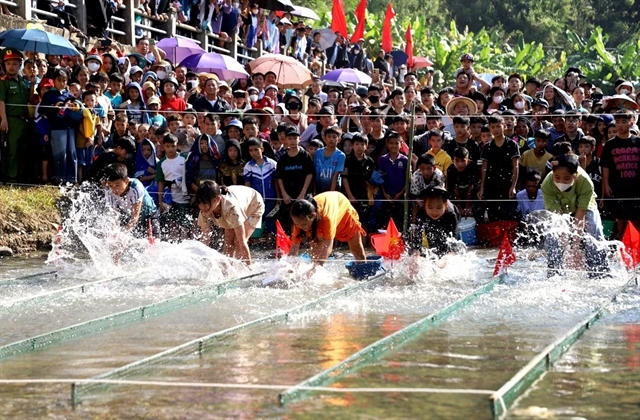 |
| The Tày people hold the Fish Festival in Mậu Duệ Commune annually. — Photo of Tuyên Quang Province Portal |
TUYÊN QUANG — Visitors to the northern mountainous province of Tuyên Quang can wade into rice fields to catch fish by hand and discover a traditional custom of the Tày ethnic group at the Fish Festival 2026.
The event, scheduled for October 16-17 in Cốc Cai Village, Mậu Duệ Commune, features fishing activities, traditional food, local agricultural products and folk performances, offering visitors a closer look at the community's farming life and cultural heritage.
Also known as Tết Khẩu Ràng, the Fish Festival was recognised as a National Intangible Cultural Heritage in 2016. The custom reflects the close relationship between the Tày people in Mậu Duệ and the land and water that sustain their livelihoods.
According to local folk accounts, two Tày leaders, Nguyễn Viễn Rịch and Nguyễn Viễn Quang, once led their relatives and fellow villagers to Mậu Duệ, where they cleared land, established settlements and built homes in valleys along rivers and streams.
As they developed their farming practices, local people learned to raise carp in rice fields. The approach made use of the same land to grow rice and raise fish, with carp gradually becoming a local speciality.
The festival tradition grew from this way of life. On the ninth day of the ninth lunar month each year, families offer food to their ancestors in gratitude and pray for favourable weather, good harvests and a prosperous life. The occasion also brings family members together and helps pass customs from one generation to the next.
Preparations begin around three months before the festival, when farmers release young fish into their rice fields. As the festival approaches, family members divide up the work of preparing offerings and traditional dishes.
On the day itself, families arrange offerings and perform ceremonies to respect their ancestors and local deities. The custom gives the harvest a meaning that goes beyond producing food, linking farming, family life and gratitude to earlier generations.
Mậu Duệ will use the festival to introduce this heritage in the places where local people work and gather. Activities will take place in Cốc Cai Village, at Long Lương Bridge Lake and in the Nà Mường rice fields.
A fishing contest at Long Lương Bridge Lake will offer fishing enthusiasts an activity. At Nà Mường, the programme will include a cattle beauty contest, fish racing and a contest to catch fish by hand in the rice fields.
For visitors unfamiliar with farming life, stepping into muddy water to find fish offers a chance to take part rather than simply watch. The experience also reveals how rice cultivation and fish raising have developed side by side in the local agricultural system.
Food will provide another entry point into Tày culture. A traditional cooking contest and the night market on October 16 will showcase fish dishes, agricultural produce and other local specialities. Visitors can explore local flavours and learn about the role of traditional dishes in family and community life.
Traditional costumes, folk performances and stalls displaying local products will add to the programme, giving visitors different ways to engage with the area's customs and daily life.
The festival will also introduce Mậu Duệ's tourism potential through photographs and videos of Nà Luông Cave, the Khau Cùa ecotourism site and the ancient tea forest at Site 41. The presentations aim to connect local cultural traditions with natural landscapes, regional products and community-based tourism, giving visitors more reasons to explore the commune.
Local heritage
According to Secretary of Mậu Duệ Commune's Party Committee Nguyễn Song Toàn, the festival aims to honour Tày cultural traditions, encourage younger generations to learn about their heritage and promote the commune's landscapes, people and products.
The event also gives residents opportunities to introduce their agricultural produce, cuisine, and traditional skills to visitors. For local producers, the festival provides a place to meet potential customers, while for visitors it offers a way to discover the people and practices behind the products.
Developing tourism around the festival will depend on maintaining its connection with local community life. Field activities need to fit farming conditions, while the Fish Festival's presentation should explain the custom's significance and provide entertainment. — VNS
Life & Style
 Life & Style
 Life & Style
 Life & Style
 Life & Style
 Life & Style
 Life & Style
 Life & Style
 Life & Style
 Life & Style
 Life & Style
 Life & Style
 Life & Style
 Life & Style
 Life & Style