 Life & Style
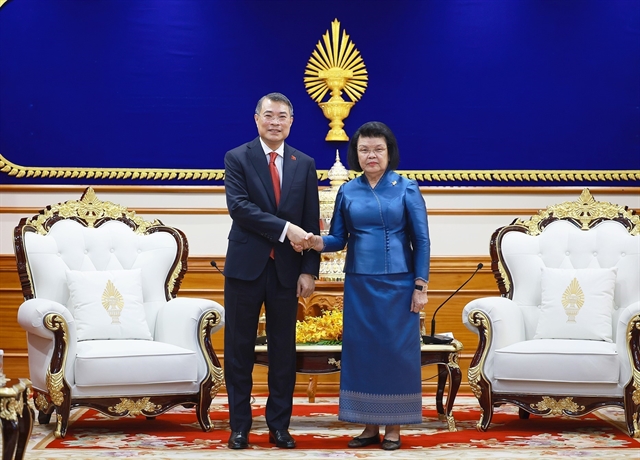
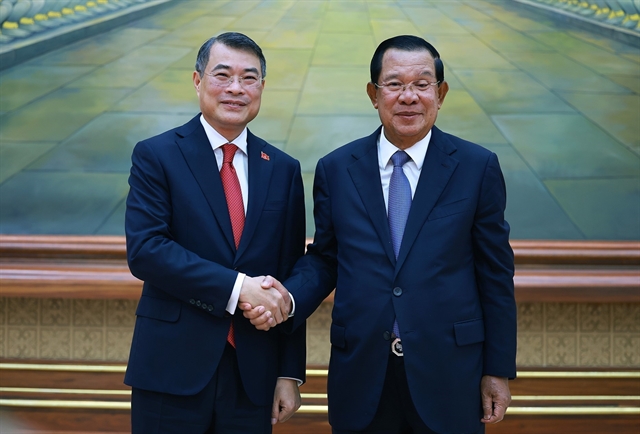
Vietnamese Prime Minister meets Cambodian National Assembly President
1.
|
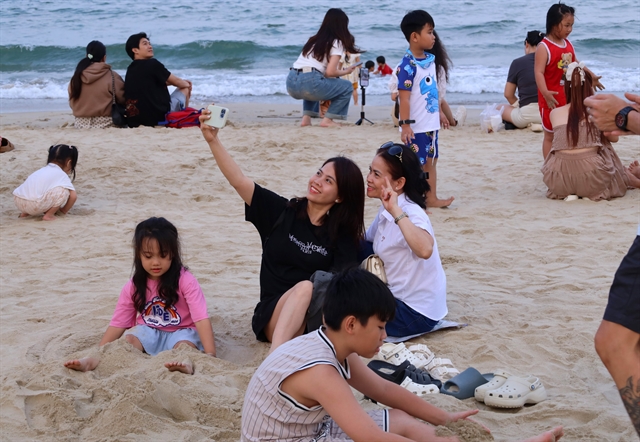
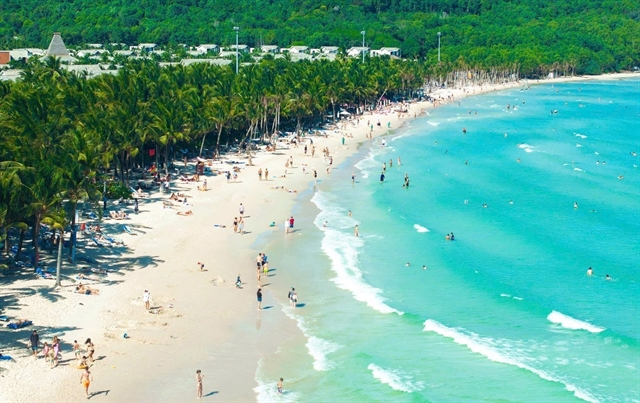
| The central city of Đà Nẵng hosted more than 1.46 million travellers, including over 621,000 international arrivals. — VNA/VNS Photo Trần Lê Lâm |
HÀ NỘI — The tourism sector served about 12 million visitors during the Hùng Kings’ Commemoration Day and the April 30–May 1 holidays, up 14.2 per cent year-on-year, with average room occupancy at about 70 per cent and exceeding 80 per cent in several major tourism hubs and coastal destinations.
The Việt Nam National Authority of Tourism (VNAT) reported that the back-to-back holidays, covering seven days in total, created favourable conditions for travel and leisure, boosting tourism demand nationwide. Most key destinations recorded strong increases in visitor numbers.
The northern province of Ninh Bình led the country with more than 2.37 million visitors, generating almost VNĐ3.57 trillion (US$135 million) in revenue. Hồ Chí Minh City welcomed 1.69 million visitors, including around 190,000 foreign arrivals, with total revenue estimated at VNĐ8.7 trillion. The central province of Khánh Hòa recorded over 1.5 million visitors, including 124,500 overnight international guests, earning about VNĐ2.6 trillion.
The central city of Đà Nẵng hosted more than 1.46 million travellers, including over 621,000 international arrivals, up 24 per cent, with revenue surpassing VNĐ5.7 trillion. Hải Phòng city in the North served 1.45 million visitors, including more than 139,300 foreigners, and earned VNĐ1.12 trillion. Hà Nội welcomed 1.35 million visitors, including over 248,000 international arrivals, with revenue exceeding VNĐ5 trillion.
According to the VNAT’s Tourism Information Centre, transport services during the holidays were vibrant across all modes, with capacity significantly increased to meet the strong demand. Flights from Hà Nội and Hồ Chí Minh City to key destinations recorded load factors of 80–100 per cent. Vietnam Airlines operated more than 3,800 flights, offering over 730,000 seats, up 13.3 per cent in flights and 16 per cent in seat capacity year-on-year. Vietjet Air added nearly 3,800 flights to provide 832,000 seats in total, up 18 per cent compared to the same period last year.
The railway sector also increased services on major routes, with ticket prices rising by 3 per cent alongside promotional programmes for passengers. Inland waterway services were boosted to island destinations such as Cù Lao Chàm, Lý Sơn, Côn Đảo, Phú Quý and Phú Quốc. Besides, the launch of new expressways, along with free bus and metro services in Hà Nội, further improved connectivity and facilitated travel.
To better serve visitors, the Ministry of Culture, Sports and Tourism and the VNAT issued directives to strengthen management, ensure safety, improve service quality, and control prices. Localities also introduced measures to stimulate demand, develop new tourism products, and ensure a safe and friendly environment.
The split of holidays into two consecutive periods has resulted in travel being spread out over time, rather than peaking within a short span. Some localities, including Hà Nội and Quảng Trị, introduced new attractions, helping ease pressure on central areas and improve service quality.
Tourism trends in 2026 continue to shift towards flexibility, with a preference for short breaks combining convenience and comfort. Family and small-group travel is on the rise, driving demand for more personalised services. Trends such as “slow travel” and “micro-holidays” favour quieter, nature-based destinations over packed itineraries.
Localities and businesses also stepped up measures to ensure safety and food hygiene while maintaining hotlines to promptly handle feedback. No serious incidents involving tourists were reported nationwide.
The centre noted that the growth in visitor numbers and the smooth operation of tourism activities during the holidays reflected improved transport infrastructure, diversified travel options, better service quality, and proactive management by local authorities, contributing to improved overall visitor experience. — VNA/VNS
Life & Style
 Life & Style
 Life & Style
 Life & Style
 Life & Style
 Life & Style
 Life & Style
 Life & Style
 Life & Style
 Life & Style
 Life & Style
 Life & Style
 Life & Style
 Life & Style
 Life & Style