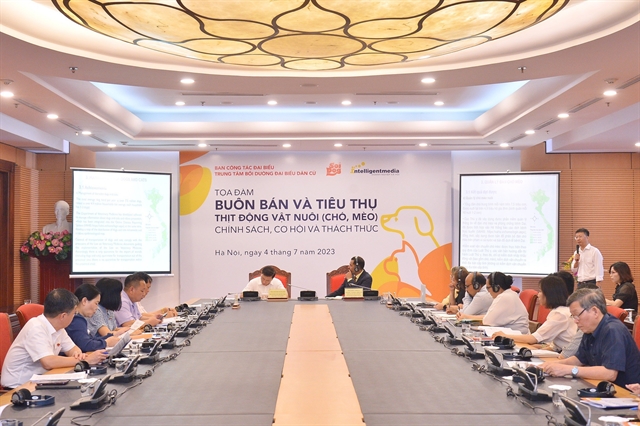
A handbook, titled 'National Assembly Deputies With The Improvement Of Policies And Laws On Animal Protection', was officially launched to improve the legal framework for animal management, especially for companion animals such as dogs and cats in Việt Nam.
The country needs to conduct extensive research and assessment on a national scale, accordingto experts.
Experts stress that regularly updated seismic data is vital for disaster preparedness, especially as recent aftershocks from a 7.7-magnitude quake in Myanmar were felt in major Vietnamese cities, revealing the widespread vulnerability of infrastructure.
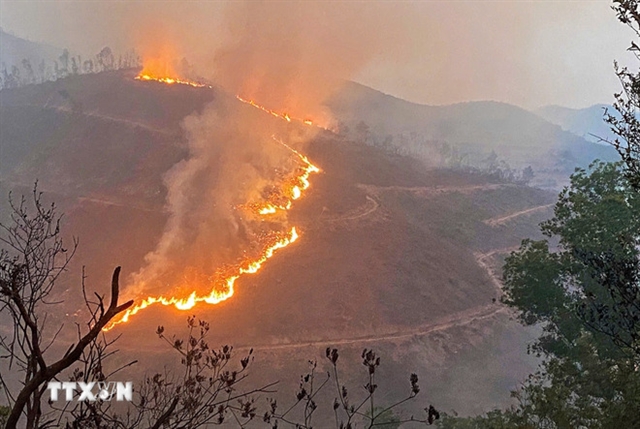
The department, under the Ministry of Agriculture and Environment, has classified 27 forested areas in the southern region as Level 5 (extremely dangerous) wildfire risks.
While the Environmental Protection Law 2020 outlines clear responsibilities for state agencies, local governments, businesses and individuals, enforcement remains weak.
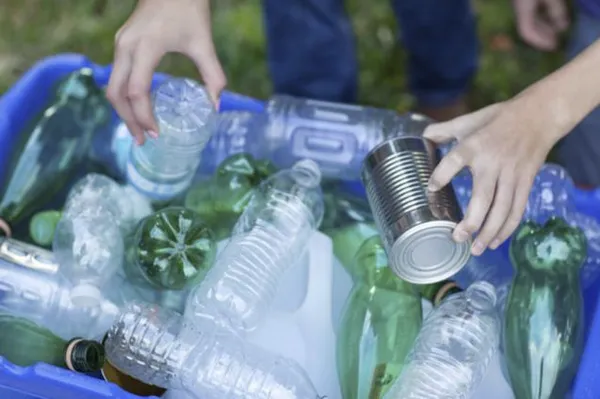
In Việt Nam, though the approach remains in its infancy, efforts are being made to shift from a traditional linear economy to a more sustainable circular economy.
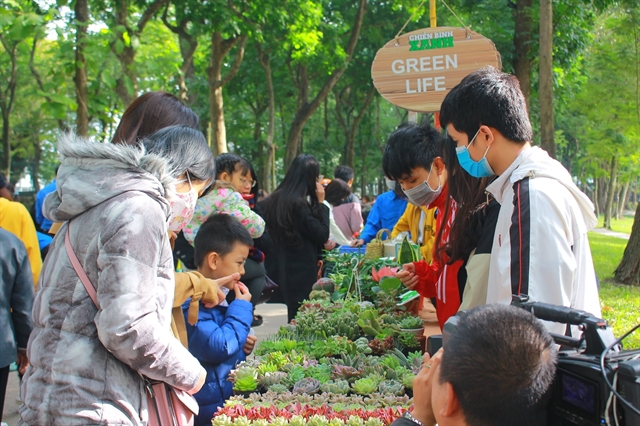
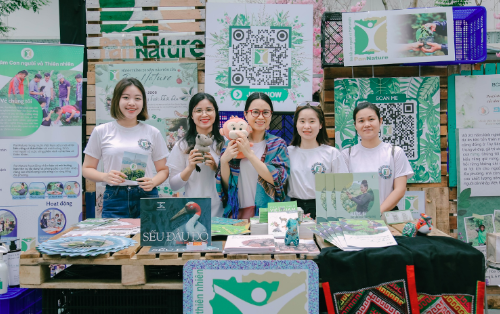
Can you imagine exchanging rubbish for beautiful plants? Green Life, an active environmental organisation in Hà Nội, are doing exactly that, encouraging people to trade waste like paper, cardboard boxes, used cans, plastic bottles and even used oil for plants. This initiative raises awareness about the importance of sorting waste for recycling. Let’s visit their premises to see how they work!
Deputy Prime Minister Trần Hồng Hà emphasised that the content, concepts, terminology and drafting techniques in the draft decree must be scientific, clear, and easy to understand so that businesses and citizens can grasp and implement them effectively.
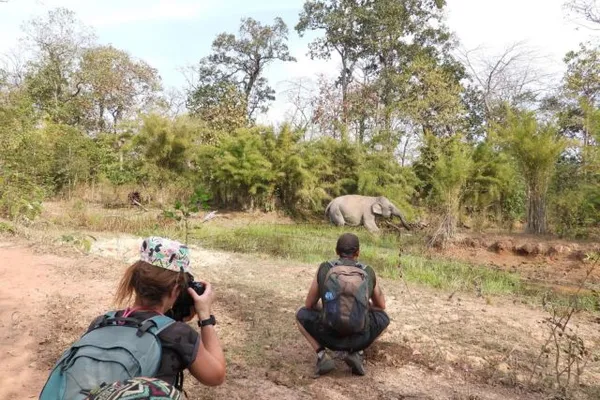
The tourism model is seen as an humane approach that should be maintained to protect the elephant population.
Young Vietnamese are actively reducing single-use plastics, shaping new consumption habits and encouraging businesses to go green.
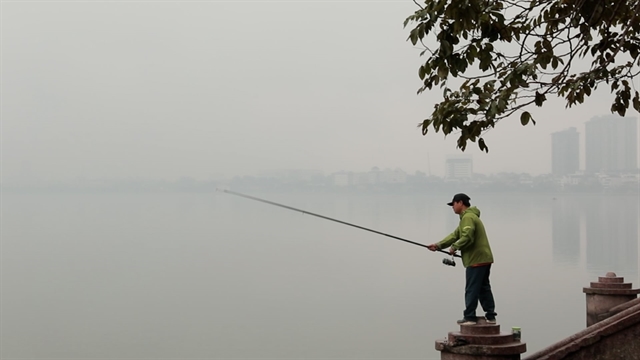
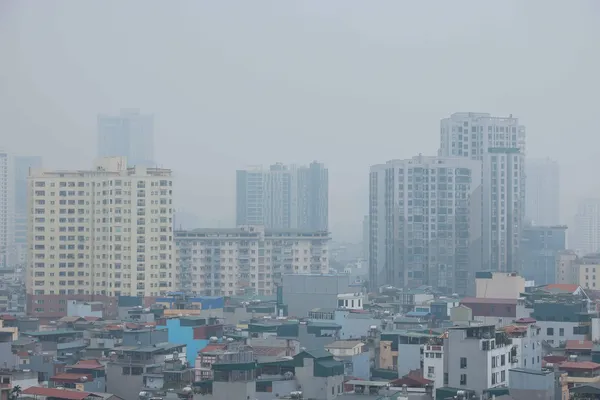
Hà Nội is a city of rich history and rapid development, but its air pollution problem is getting worse. As one of the most polluted cities in the world, the challenge of balancing urban growth with cleaner air has never been more urgent. Can Hà Nội find a sustainable solution to restore its beauty while ensuring a healthier future for its people?
On March 21-22, the Earth Hour Ideas Festival 2025 will take place at The Loop Shopping Centre (Cầu Giấy District, Hà Nội). With the theme “Waste – Trash as a Resource”, this year’s event aims to raise awareness about waste separation at source, promote the circular economy, and spread a sustainable lifestyle.
The plan aims to completely clear out pollution and revive the river.
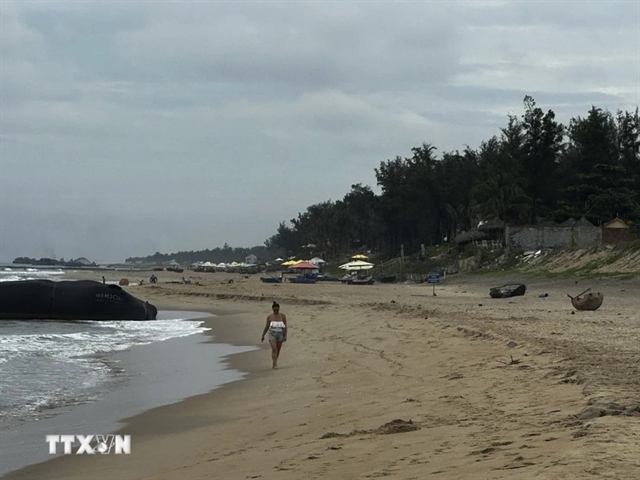
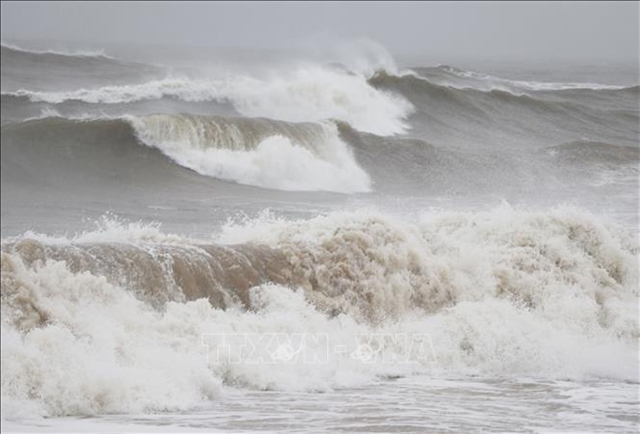
Once completed, the project will help protect land, homes and lives, as well as tourism infrastructure across an area of approximately 3.2 sq.km, benefiting more than 1,300 households in Cửa Đại Ward and surrounding areas, particularly along the coast.
Frost typically forms on Tà Xùa Peak -- at a height of about 2,800m above sea level -- before the Lunar New Year. The appearance of the rare phenonmena in mid-March is unprecedented.
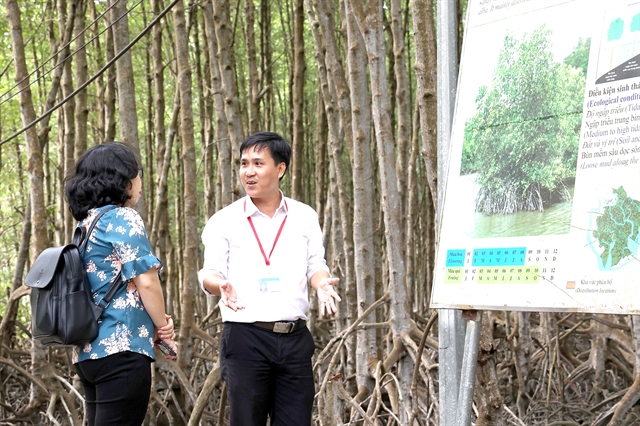
Bùi Nguyễn Thế Kiệt has instigated many practical initiatives and solutions to better manage, protect and develop the Cần Giờ mangrove forest – the first biosphere reserve in Việt Nam recognised by UNESCO.
Widespread heatwaves are expected to occur in the Central Highlands (Tây Nguyên) and Southern Việt Nam starting from April, later than the multi-year average, with fewer hot days than last year.
“The future of the blue sky every day in Hà Nội needs true collaboration of Hà Nội with neighbouring provinces and across many stakeholders," said the Head of Pollution Management Research Group at International Institution of Applied Systems Analysis (IIASA)’s Energy, Climate and Environment Programme.