
Việt Nam’s wetlands under threat
Wetlands in Việt Nam are under threat from both natural factors and human activities.
Wetlands in Việt Nam are under threat from both natural factors and human activities.

Humankind had “mortgaged” its future with uncontrolled growth at the expense of the environment for far too long, experts agreed, and urged for the simultaneous pursuit of development and sustainability.

With nearly 2.8 million office workers, Việt Nam can cut up to 6 per cent of greenhouse gas (GHG) emissions by altering to green lifestyles and sustainable consumption, the Asian Institute of Technology (AIT) in Việt Nam reported on Thursday.

Hanoians have seen a greener Hà Nội with nearly 930,000 new trees planted along local streets over the last two years.
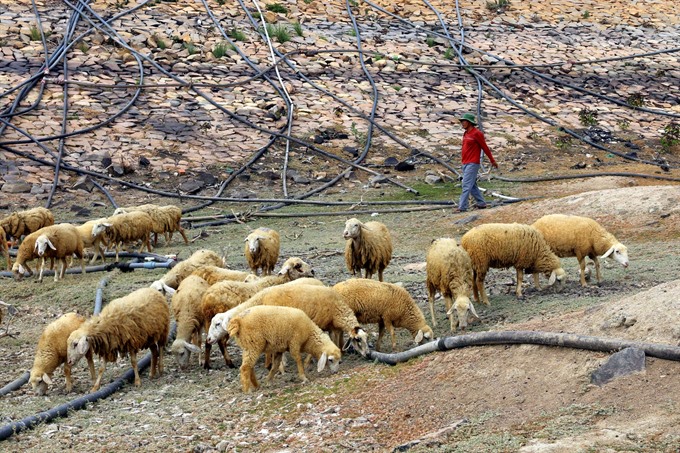
This time last year, many parts of the central region were submerged under floodwater, but this year’s unusual aridity in the middle of the rainy season offers little solace.

Hà Nội aims to reduce the use of plastic bags in the traditional markets, supermarkets and trade centres from 50 to 65 per cent to protect environment as well as ensure the sustainability of the ecosystem.

Prime Minister Nguyễn Xuân Phúc said the central region must act fast over anti-erosion fears and ensure they have a future plan.

The southern province of Cà Mau is using pre-fabricated barriers made of non-metallic reinforced concrete to prevent landslides and coastal erosion.

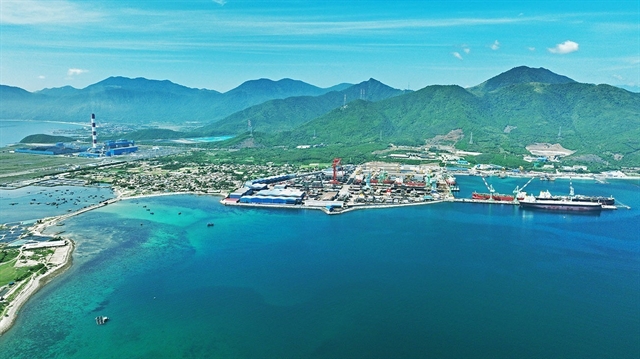
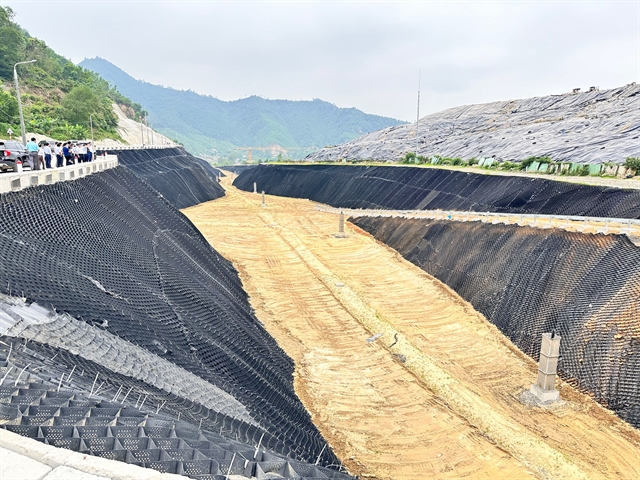
About 90,000 cubic metres of sludge and soil contaminated with dioxin has been safety removed and cleaned at the International Đà Nẵng Airport. A total of 32.4 hectares of newly cleaned area will be handed over to the city to expand the airport.
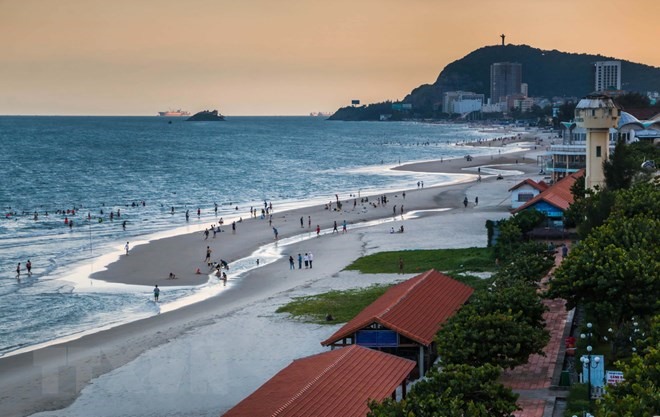
One of the most important issues in urban development and planning of coastal areas and islands is resolving the conflict between economic development and preservation of existing resources.

Protecting pangolins from the wildlife trade is a difficult task. From rescuing them from animal traffickers to keeping them healthy and alive, each part of the process requires great effort and care.

Authorities in the southern province of Cà Mau do not agree that Cà Mau City’s garbage treatment plant should extend its shutdown to conduct repairs, deputy chairman of the provincial People’s Committee Lâm Văn Bi said yesterday.

The central city has launched a campaign to call community ‘Saying No’ to single-use plastic product in dealing with plastic waste pollution and treatment cost in the near future.

Stone pits located near the Buông River in the southern province of Đồng Nai could cause the river’s banks to collapse, a report from the province’s Department of Mineral Resources and Environment has said.

To protect the forest as well as to facilitate livelihoods for forest-dependent people, benefit sharing is the best solution which saves budget for forest protection while ensuring its sustainable development.

Thousands of fish, shrimp and crabs raised in ponds near the Trường Giang River, in the section running through Tam Hiệp Commune in the central province of Quảng Nam, have died over the past few days, causing concern for aquacultural households in Núi Thành District.
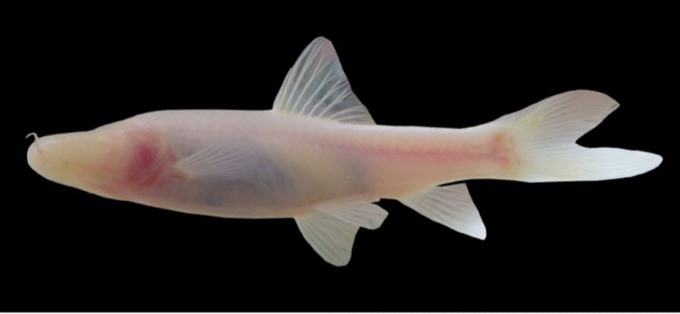
Scientists at the

HCM City will reduce the number of waste depots in inner districts while increasing the number in the city’s outlying areas.

A local craftsman from central Viet Nam is trying to replace single-use plastic straws with reusable bamboo alternatives at hotels, resorts and restaurants in Hội An, Đà Nẵng, Nha Trang and Phú Quốc.

Teachers and students at Cát Trinh Junior Secondary School had to endure bad smells from the Đồng Đế Channel over the past two months, said school principal Nguyễn Ngọc Trắc.