 Economy


Việt Nam, Russia share experience in human resource training
1.

|
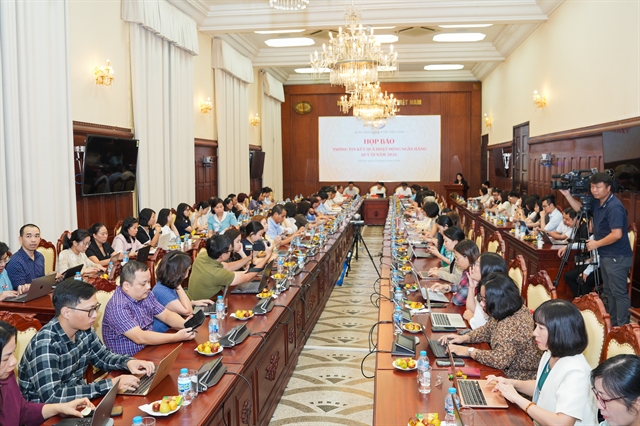
| The most significant proposed changes concern Decree No. 268/2025/NĐ-CP, which regulates innovation activities, support for businesses and innovative start-ups, and the development of innovation centres and ecosystems.. — VNA/VNS Photo |
HÀ NỘI — The Ministry of Science and Technology has proposed amendments and supplements to several articles of five decrees to resolve urgent obstacles, establish a favourable legal framework and unlock resources for science, technology and innovation activities.
The five decrees, all issued last year, are Decree No. 262/2025/NĐ-CP, Decree No. 263/2025/NĐ-CP, Decree No. 265/2025/NĐ-CP, Decree No. 267/2025/NĐ-CP and Decree No. 268/2025/NĐ-CP.
The ministry has submitted a draft decree revising five decrees detailing and guiding the implementation of the Law on Science, Technology and Innovation to the Ministry of Justice for review.
The amendments mainly focus on streamlining and simplifying administrative procedures, ensuring consistency with the 2025 Law on Public Employees, and addressing urgent issues and shortcomings in the implementation of science, technology and innovation activities.
The most significant proposed changes concern Decree No. 268/2025/NĐ-CP, which regulates innovation activities, support for businesses and innovative start-ups, and the development of innovation centres and ecosystems.
According to the ministry, feedback from credit institutions and enterprises during the implementation of the interest rate support scheme indicates that the current disbursement process disrupts credit institutions’ established debt collection procedures, making many reluctant to participate.
Delays in disbursements from the State Treasury could also affect enterprises’ ability to meet their debt repayment obligations to credit institutions on schedule.
The ministry proposes amending Clause 8, Article 22 of Decree No. 268/2025/NĐ-CP to allow the National Technology Innovation Fund (NATIF) to transfer support funds to a dedicated account at the credit institutions in line with their debt collection schedule.
The fund would make payments based on debt collection documents, helping avoid disruption to both the credit institution’s debt collection process and the enterprise’s repayment obligations.
The draft decree also proposes a suspension of interest rate support for a loan during any period when an enterprise has overdue debt. The enterprise would then be responsible for paying the full interest to the credit institution under the signed credit agreement.
Once the overdue debt is settled and the credit institution confirms that the enterprise has fulfilled its repayment obligations, NATIF would resume interest rate support for subsequent repayment periods.
The draft also establishes a State council to review loan interest support tasks, aiming to clarify procedures and ensure their practical implementation.
The ministry said Decrees No. 267/2025/NĐ-CP and No. 268/2025/NĐ-CP do not clearly distinguish between science and technology tasks and innovation tasks. This has led to different interpretations among ministries, sectors, local authorities, organisations and enterprises, creating difficulties in their identification, approval, implementation and management.
The ministry therefore proposes separate provisions for the two types of tasks.
For innovation centre designation, the draft amends Point c, Clause 5, Article 29 of Decree No. 268/2025/NĐ-CP. Under the proposal, a centre must generate at least VNĐ5 billion (US$192,400) in direct revenue from consultancy and support services for technology application, technology transfer, technological innovation and creativity, and improvements in technological efficiency.
The requirement is aimed to ensure incentives reach the intended recipients. — BIZHUB/VNS
Economy
 Economy
 Economy
 Economy
 Economy
 Economy
 Economy
 Economy
 Economy
 Economy
 Economy
 Economy
 Economy
 Economy