 Economy



84 individuals investigated for transnational online frauds
1.
|
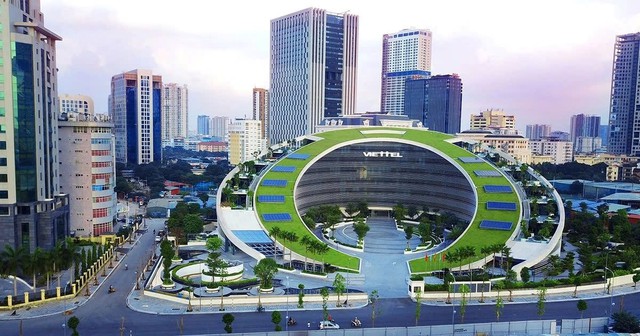
| A Viettel telecom's office in Hà Nội. — VNA/VNS Photo |
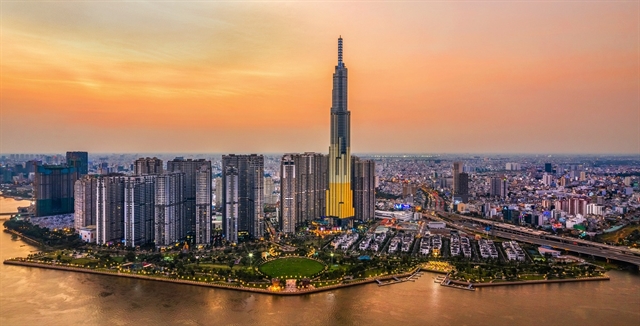
HÀ NỘI — Việt Nam has entered the top 10 markets outside the United States for LEED-certified floor space for the first time, a milestone that underscores the country’s growing momentum in sustainable real estate development.
Over the past year, around 2.6 million square metres of floor space across roughly 100 projects obtained certification under the Leadership in Energy and Environmental Design (LEED) green building system. The achievement places Việt Nam ahead of several developed markets, including Sweden and the United Arab Emirates. Just two years earlier, the country ranked 28th.
Property consultancy Savills reported that more than 7,500 commercial projects worldwide received LEED certification in 2025, representing a combined floor area exceeding 147 million square metres. The ranking, compiled by the US Green Building Council, is based on the total floor area certified each year, providing a snapshot of the scale and pace of green building development across global markets.
In Việt Nam, green certification is spreading across multiple real estate segments. The rising number of LEED-certified projects shows that the market is increasingly prioritising environmental efficiency and sustainable operations.
Office buildings, industrial facilities and mixed-use developments are actively pursuing certification to attract international tenants, comply with ESG standards and reduce long-term operating costs. Multinational companies in manufacturing and technology are playing a particularly important role in driving demand for sustainable developments.
Rather than treating certification as a final step at the end of construction, many developers are integrating sustainability considerations from the design stage. This shift reflects a broader change in development strategies, with greater emphasis on long-term value and systematic planning.
Experts say Việt Nam’s improved position in the global ranking signals a maturing market, where sustainable development is no longer a short-term initiative but a strategic foundation for projects.
The trend also mirrors wider regional developments, as Asia continues to lead global growth in green building construction. Developers in Việt Nam are increasingly balancing environmental goals with financial performance, viewing green certification as a way to enhance commercial value.
According to Luca Vadala, National Business Development Director for Integrated Facility Management at Savills Vietnam, the industrial and logistics property segments are currently leading the shift toward sustainable development in the country.
He noted that the market is focusing not only on certification during the design phase but also on the operational performance of buildings, with sustainability increasingly linked to lower long-term costs, reduced environmental impact and improved working environments. — VNS
Economy
 Economy
 Economy
 Economy
 Economy
 Economy
 Economy
 Economy
 Economy
 Economy
 Economy
 Economy
 Economy
 Economy
 Economy