Bank system’s credit growth target unlikely to be reached
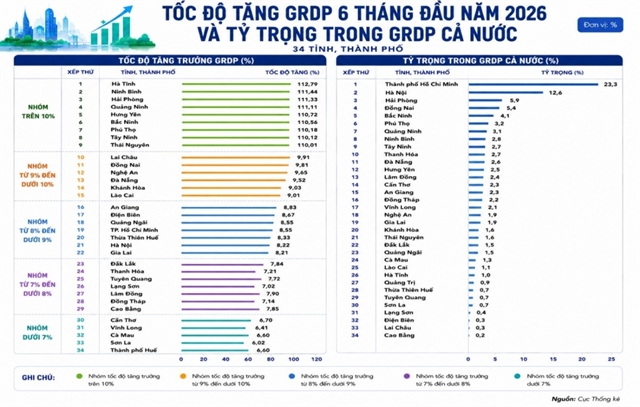
According to the General Statistics Office, as of September 20 the banking sector’s credit growth was 9.52 per cent, much lower than the 11.02 per cent rate recorded a year earlier.
According to the General Statistics Office, as of September 20 the banking sector’s credit growth was 9.52 per cent, much lower than the 11.02 per cent rate recorded a year earlier.

Overseas remittances to Việt Nam are expected to decline mainly due to global factors.

Although Việt Nam’s balance of trade in the first eight months of the year stood at a surplus of US$2.8 billion, analysts warn about it returning to a deficit in the coming months.

According to the Việt Nam Real Estate Brokers Association last year around 23,000 units of condotels, or condo-hotels, were offered for sale, and 65-70 per cent of them were snapped up. However, demand for condotels seems to be falling.
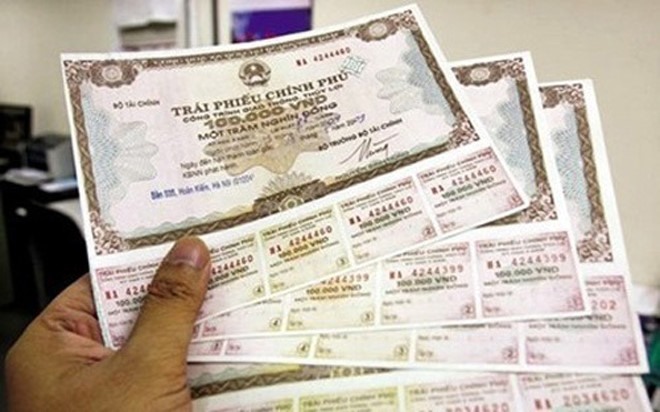
Though the interest rates on government bonds with maturity terms of one to 15 years have increased in recent times, there seems to be little appetite for them among investors.
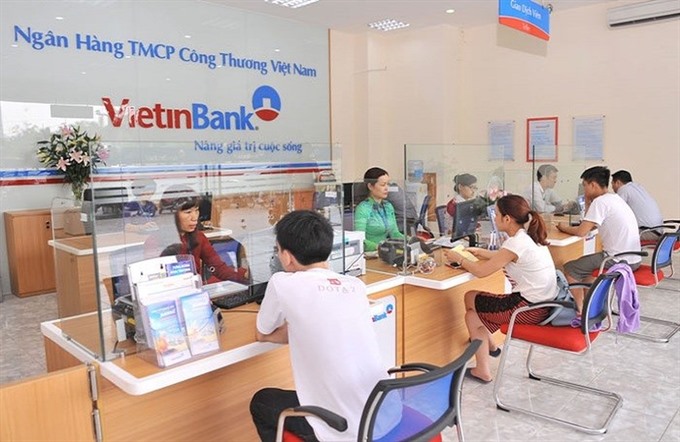
According to statistics from the State Bank of Việt Nam (SBV), as of May, State-owned banks’ combined equity was VNĐ252.472 trillion (US$10.83 billion), down 0.86 per cent.
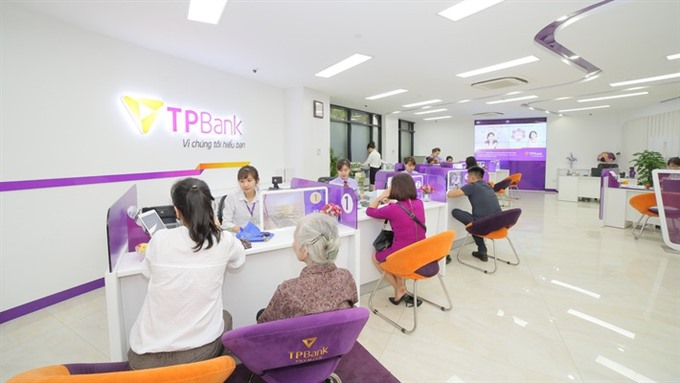
Many banks are likely to seek an increase in their credit limits like they did in previous years when they used up their assigned quota halfway through the year.
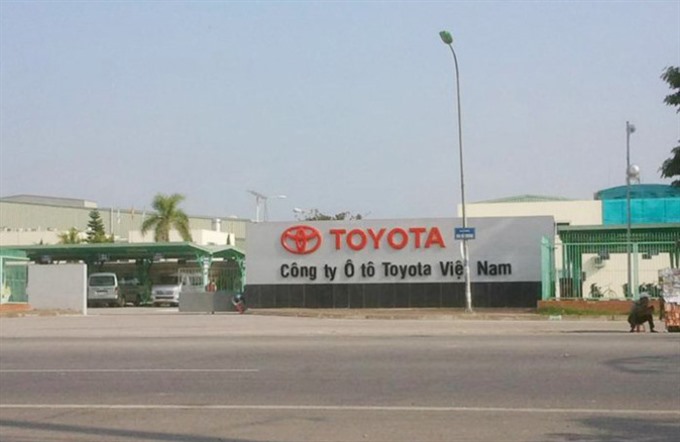
Toyota Việt Nam has asked the Vĩnh Phúc Province People’s Committee to lease 9.1 hectares of land in Phúc Yên city to expand its plant and increase its annual capacity from the current 50,000 units to 90,000 by 2023.

Analysts say the main reason for the tourist industry’s modest participation in the stock market is that a majority of its companies are too small and fear they will be ignored by investors.

HCMC Securities Corporation (HSC) reported VNĐ325 billion in pre-tax profit in the first quarter of this year, a year-on-year increase of 250 per cent.

Last month, Toyota Việt Nam unveiled the recommended retail prices for its first shipment of cars imported from Indonesia at zero tax, and most of them are higher than before the policy of zero tariffs took effect.
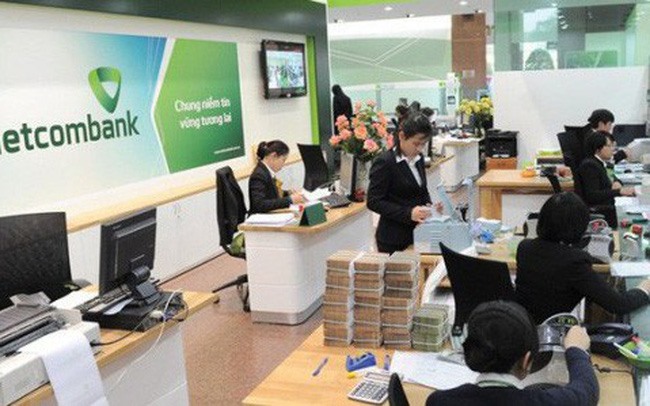
Analysts attributed the excellent performances in the banking sector this year to sharp credit growth.
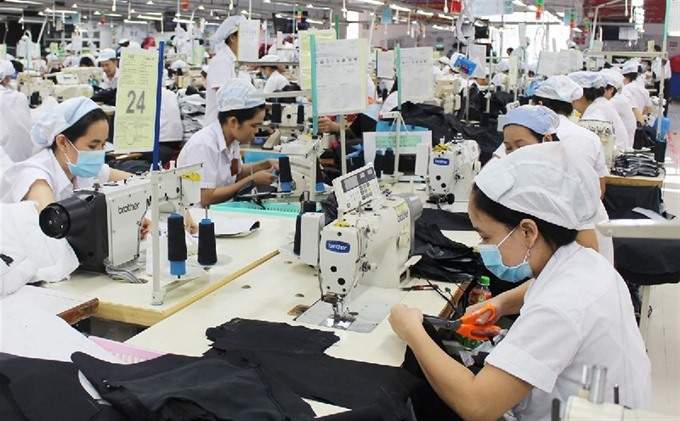
The shares of many textile and apparel companies are on a downward trend. This is a paradoxical situation since most textile companies are doing pretty well on the business front.
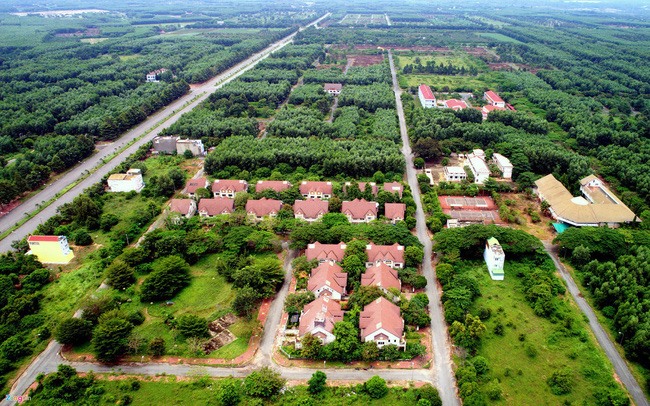
According to the Foreign Investment Agency, in the first five months of the year foreign direct investment in new projects was worth US$4.66 billion, 17 per cent down from last year’s figure for the same period.
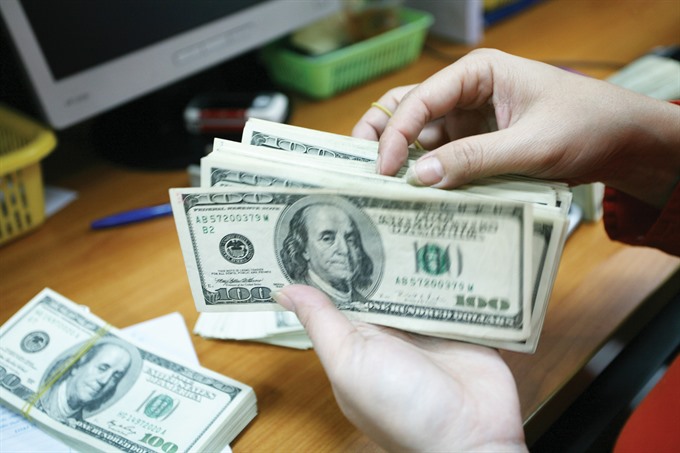
On May 29 the State Bank of Việt Nam adjusted the đồng-US dollar exchange rate, weakening the Vietnamese currency by VNĐ9 to VNĐ22,605 per dollar, which represented the greenback’s biggest rise so far this year.
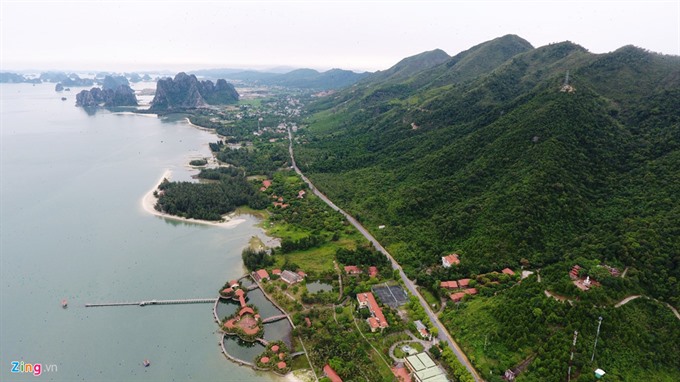
The Government plans to develop three special economic zones, which it hopes will spearhead the country’s growth. They will be located in the coastal district of Vân Đồn in the northern province of Quảng Ninh, Bắc Vân Phong in the central province of Khánh Hoà and Phú Quốc Island.

Many other companies too have opted to go down the equity path to raise funds rather than borrow from banks. Intriguingly, many of them have sold their stakes to strategic partners at several times higher than the market price.

The Ministry of Industry and Trade confirms this saying more than 160 franchises have come to Việt Nam so far. But the movement in the reverse direction has been very modest.

After making an entry into the automobile manufacturing industry, Vingroup, the country’s leading property company, has set its sights on the US$5.3 billion pharmaceutical sector.
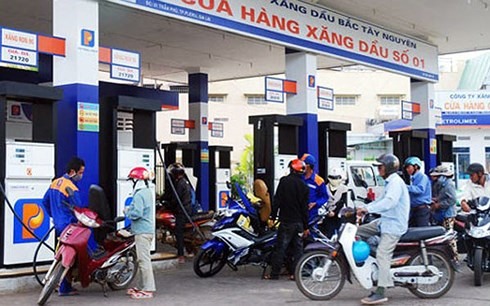
The global price of oil has increased from US$60 per barrel early this year to $70 now, and the uptrend is forecast to continue.