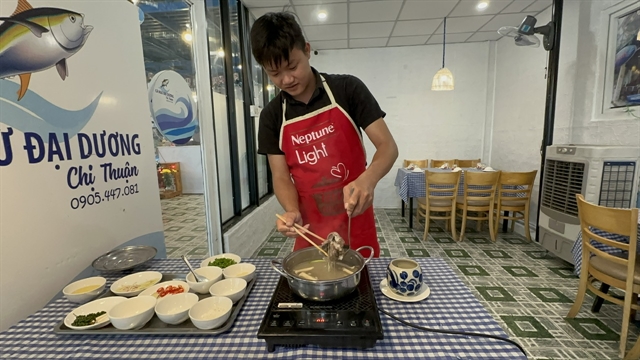
Quy Nhơn Coastal City in the central province of Bình Định has many delicacies made from fish but is particularly famed for its stew made from tuna eyeballs, which comes highly recommended by local chefs.
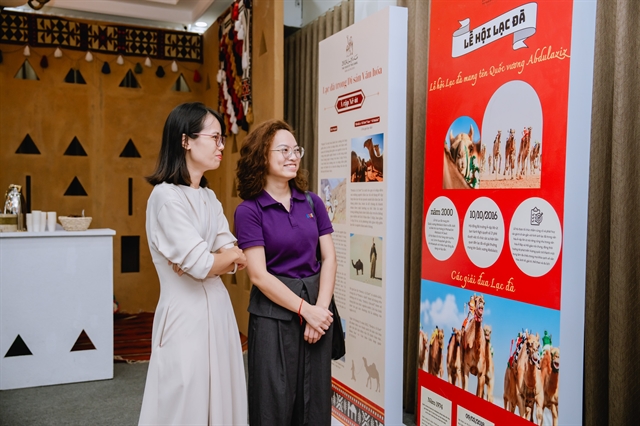
The event, to mark World Camel Day and celebrate the International Year of Camelids (IYC 2024) was jointly organised by the Embassy of Saudi Arabia and the University of Languages and International Studies within Việt Nam National University, Hà Nội.
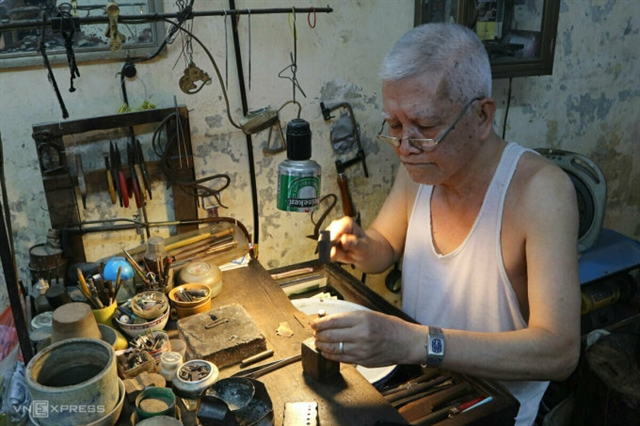
At the heart of Việt Nam's capital city, you’ll find a tiny boutique containing a fragment of old Hà Nội, leaving visitors in awe. This traditional, handmade jewellery store of many generations is where 75-year-old Nguyễn Chí Thành hammers pieces of metal into intricate pieces of jewellery every day.
Vietnamese fashion designer Võ Công Khanh opened the 10th anniversary of the Aquafina Việt Nam International Fashion Week in HCM City last night with his latest collection inspired by water flow.
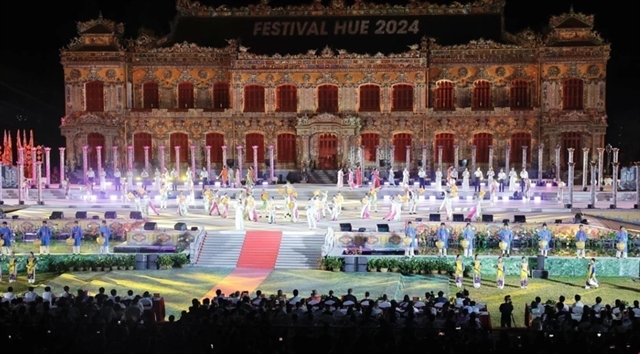
The 2024 Huế International Arts Festival Week, which wrapped up on June 12 evening, attracted over 19,000 foreign tourists and more than 81,000 domestic ones, according to the organisers.
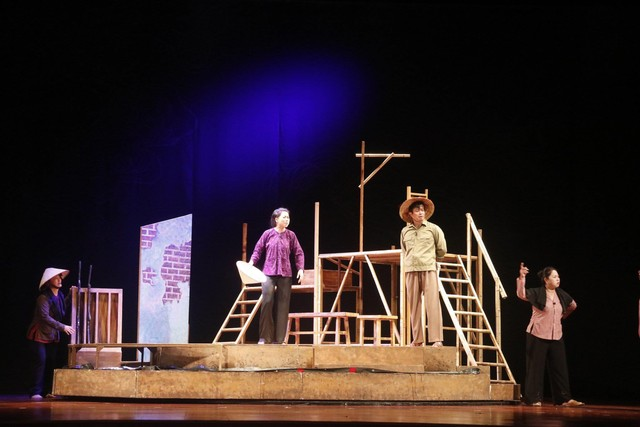
The national festival has been organised by Việt Nam Theatre Artists' Association and the Department of Culture, Sports and Tourism of Thái Nguyên Province, bringing together nearly 1,000 artists from 19 professional theatres nationwide, who will perform in 23 plays.
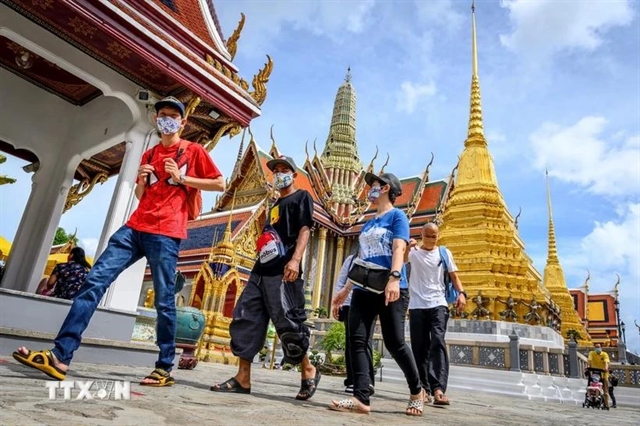
Thailand’s Prime Minister Srettha Thavisin has called on governors of 55 second-tier tourist provinces and tourism authorities to further develop infrastructure and offerings as well as explore measures to position the country as a global tourism hub in line with the Government’s “Ignite Thailand” vision.
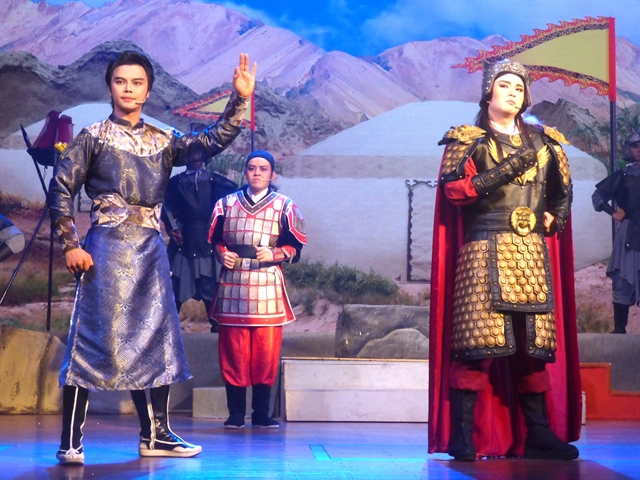
Artists from the private Chí Linh-Vân Hà Cải Lương Troupe are working on a new show about Vietnamese history to serve young audiences in HCM City this summer.
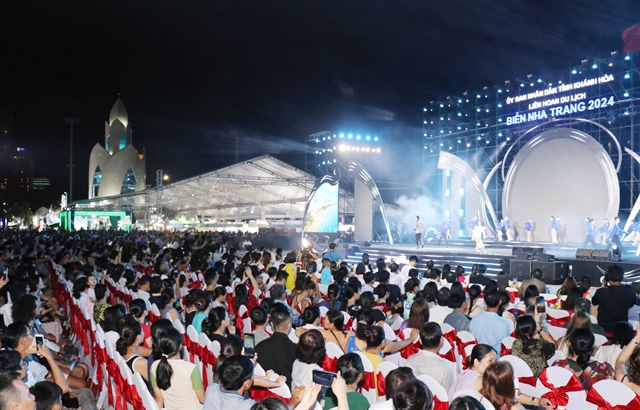
The Nha Trang Beach Tourism Festival has opened in the south-central coastal province of Khánh Hòa with music and dance performances by popular artists.
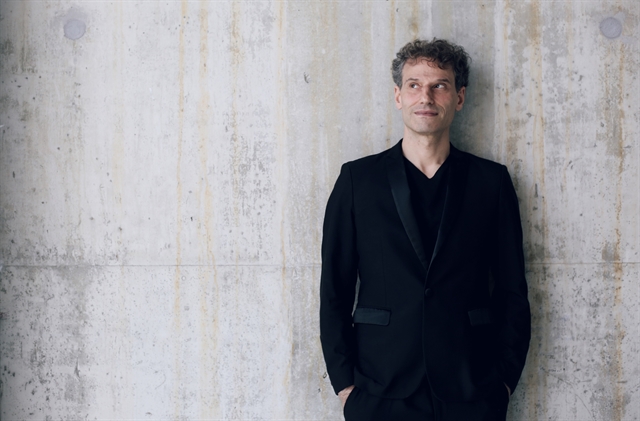
French conductor and pianist David Greilsammer will host a concert tour across Việt Nam, starting in HCM City on June 18.
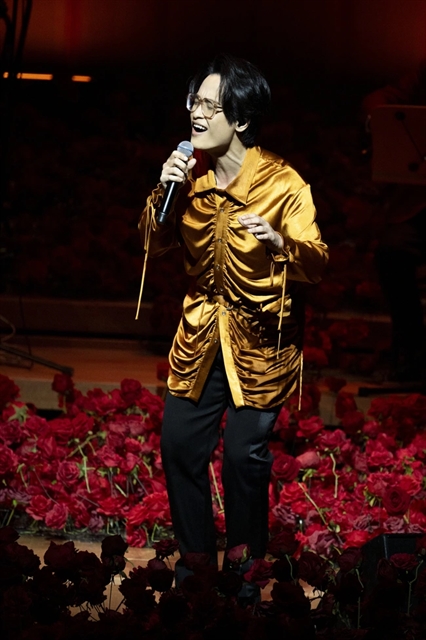
Sketch A Rose, a concert from singing sensation Hà Anh Tuấn, surprised audiences at the Esplanade theatre in Singapore.
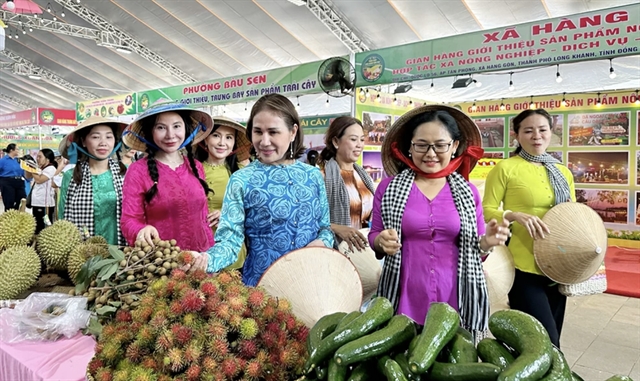
On the evening of June 12, the People's Committee of Long Khánh City, Đồng Nai Province held the opening ceremony of Fruit Festival 2024 to honor and promote tourism and Long Khánh fruit products to visitors.
The north-central province of Thanh Hóa plans to develop and exploit tours that connect it with the Houaphanh province of Laos.
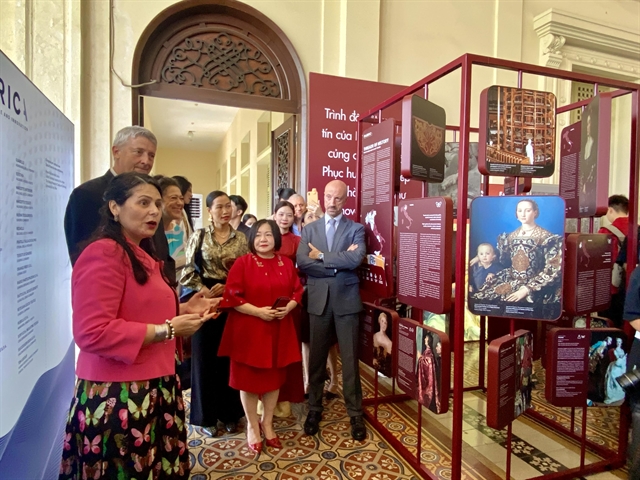
The “FABRICA. Italian Textile and Innovation” Exhibition celebrating the history and evolution of Italian textile manufacturing has opened at the HCM City Museum.
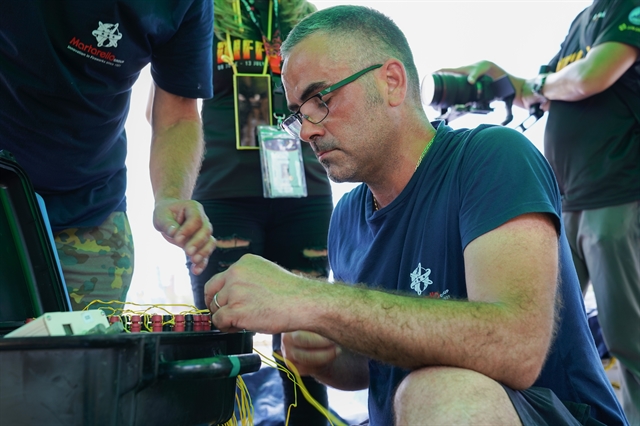
Fireworks teams from the US and Italy have moved to launch areas on the Hàn River banks for a second night's performance of the Đà Nẵng International Fireworks Festival 2024 (DIFF).
Soloists from the HCM City Ballet Symphony Orchestra and Opera (HBSO) and guest musicians will give a performance of chamber music composed by the world’s great composers at the Opera House on June 15.
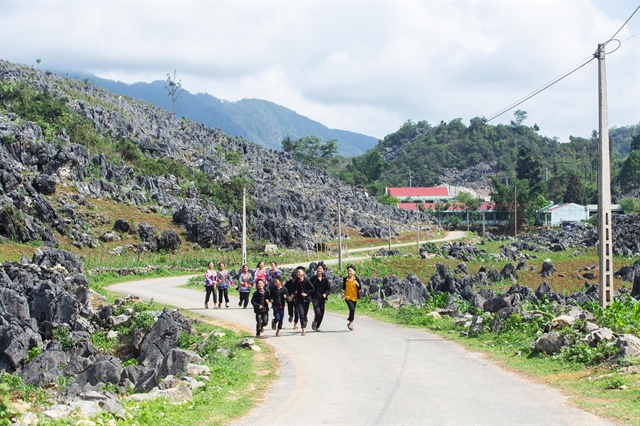
In spite of challenging conditions, the people of Tả Phìn Commune have found ways to develop the rocky areas through their hard work and ingenuity.