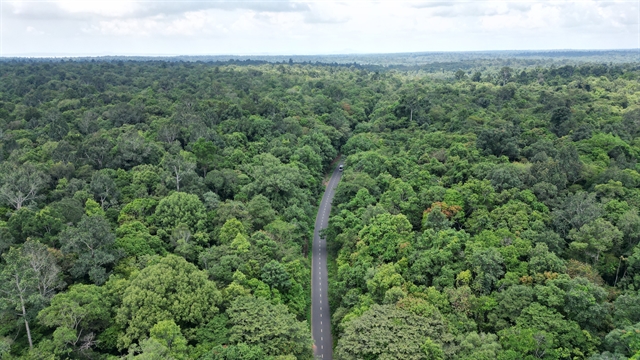
A major road project in Đồng Nai City will include seven crossing points for wildlife, both underpasses and overpasses, to protect animal migration routes through the Đồng Nai Nature-Culture Reserve.
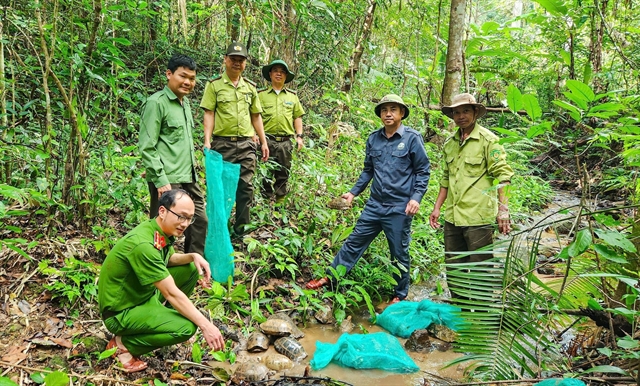
Many of the wild animals were in poor health when received by the national park, with some seriously injured or severely weakened, while others had lost natural survival instincts.
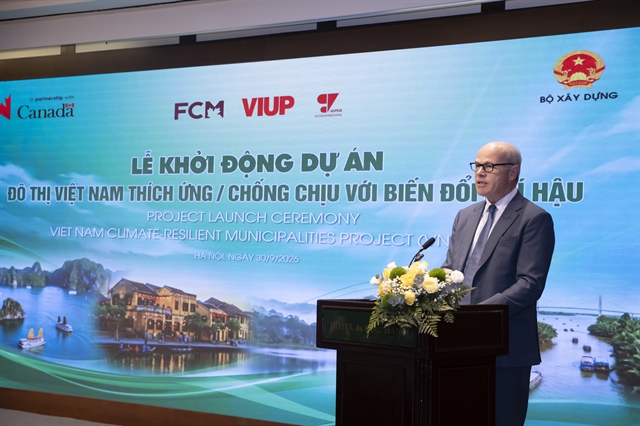
The Viet Nam Climate Resilient Municipalities (VNCRM) project will facilitate the exchange of practical experience and develop locally relevant approaches to shared challenges, including climate-resilient infrastructure, asset management and integrated solid waste management, with a focus on reducing plastic waste.
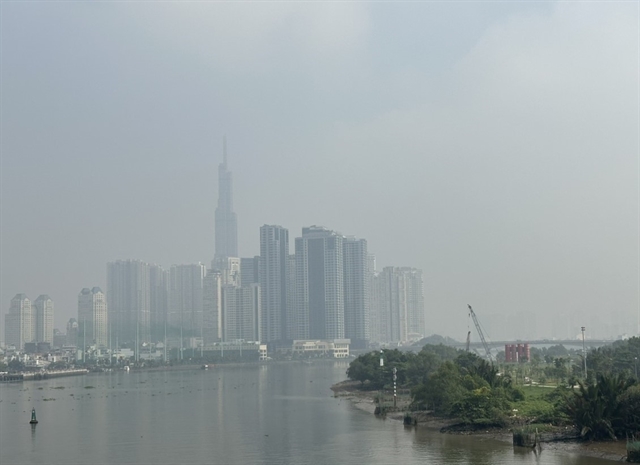
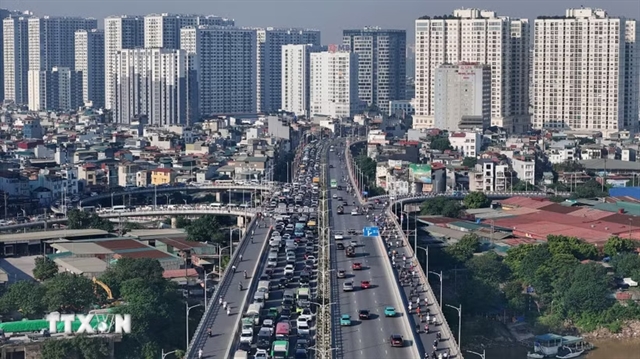
Việt Nam is translating policies on air pollution control into concrete, measurable actions as major cities in the country grapples with frequent bad air days.
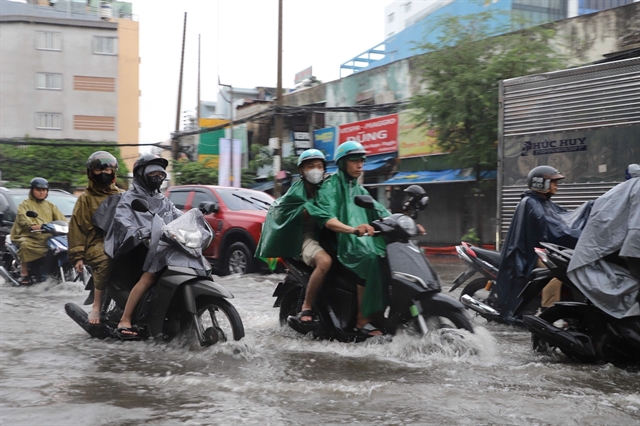
HCM City and the Cửu Long (Mekong) Delta are facing their highest tidal levels of the year, with flooding expected in low-lying and riverside areas through Wednesday, as authorities warn that high tides could coincide with rainfall and upstream water flows.
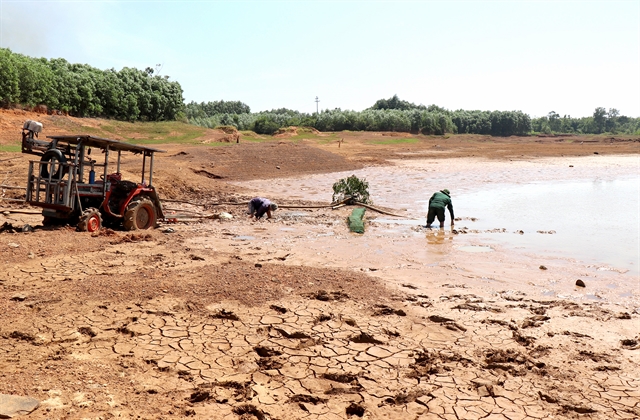
With water security, not storms, the biggest worry, officials from the Mekong Delta to the Central Highlands are racing to stockpile reservoirs months before the dry season even begins.
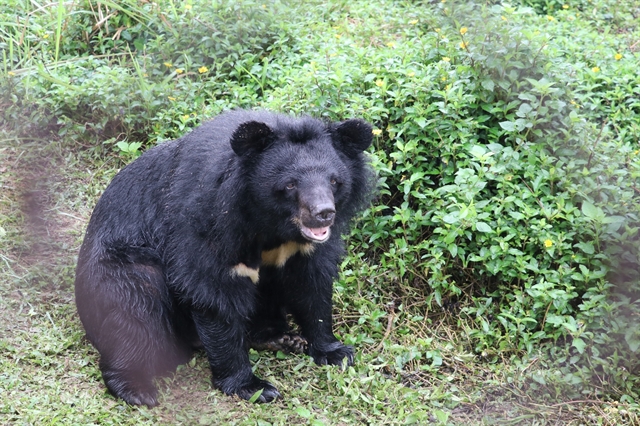
Among the proposed measures, the issuance of a legal ban on keeping bears is considered one of the concrete solutions needed in the final stage of the roadmap to end bear bile farming.
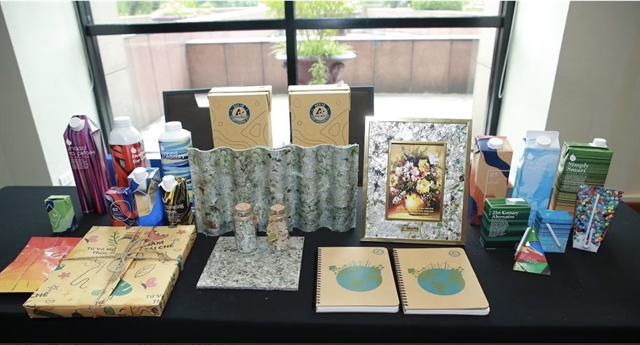
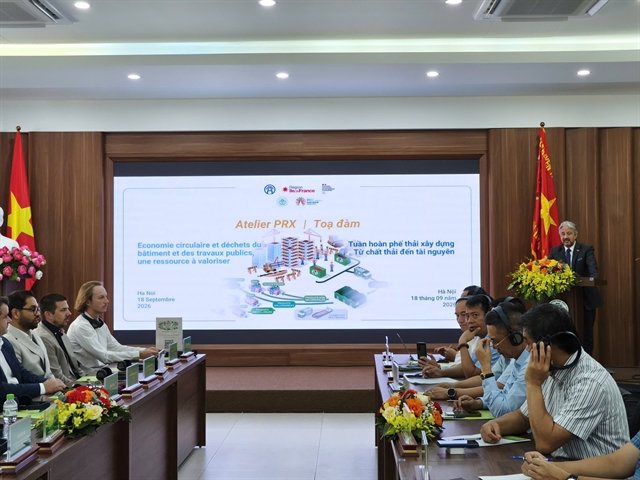
The workshop provided a platform for participants to share practical experience, explore technologies and discuss solutions for recycling and reusing construction waste, with a view to promoting a circular economy in construction and urban environmental management.
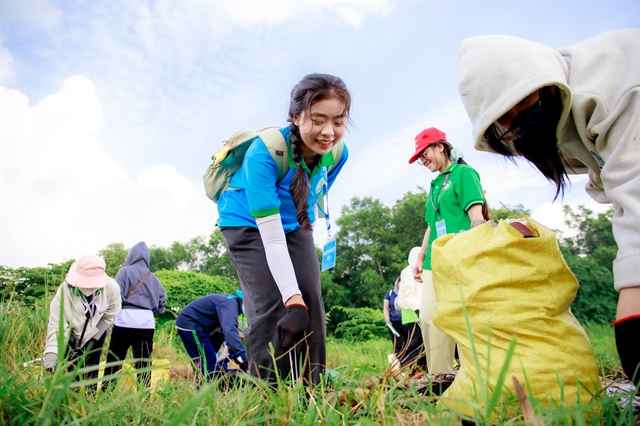
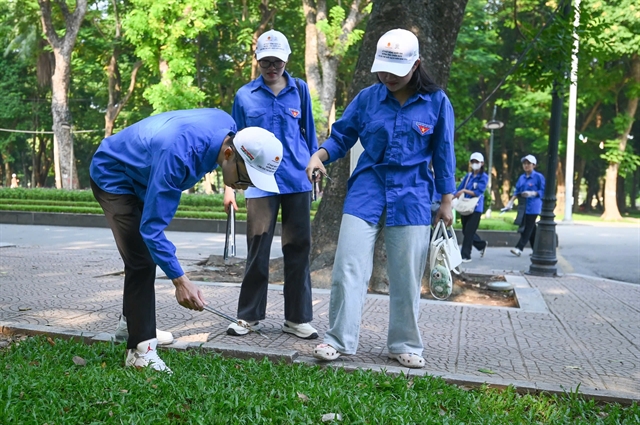
More than 10,000 volunteers across 22 provinces and cities took part in the 2026 World Cleanup Day during the weekend of September 19-20, collecting waste, tackling single-use plastic pollution at source, and promoting a circular economy as part of efforts towards more sustainable urban development.
Tourism development must go hand in hand with the conservation of endemic natural resources, sustainable forest environment leasing and the development of green-standard tourism infrastructure.
The World Cleanup Day was launched by the United Nations Environment Programme (UNEP) in 1993, with Việt Nam joining the campaign in 1994.
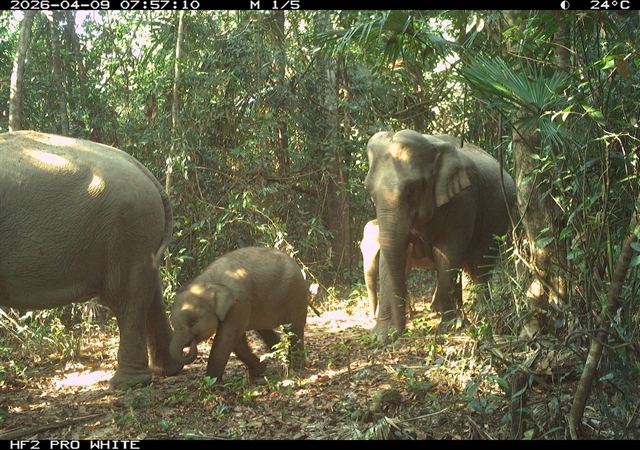
The country has around 100 Asian elephants living in the wild, according to the Ministry of Agriculture and Environment.
Previously, local residents and authorities in the Quảng Phúc residential quarter, Bắc Gianh ward found the tortoise, which weighs about 0.9kg.
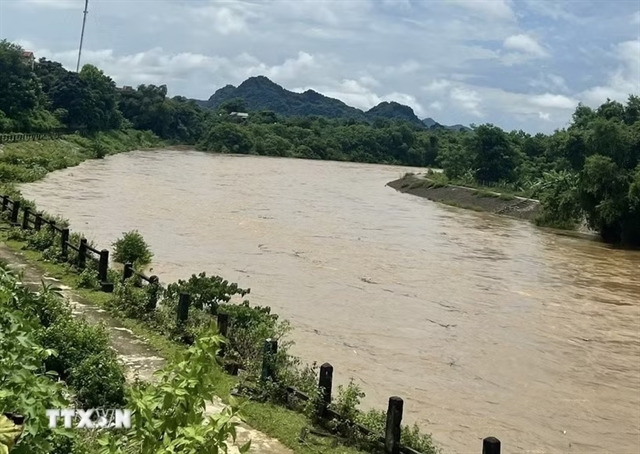
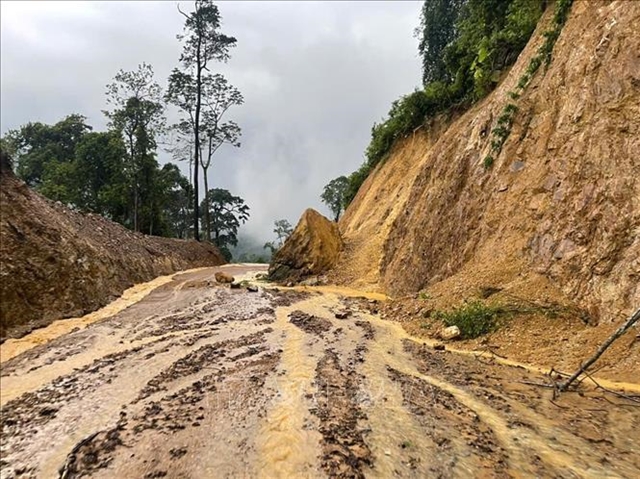
The National Centre for Hydro-Meteorological Forecasting said a flood wave would affect rivers in the north and Thanh Hóa from September 15 to 16.
Even with cleaner vehicles and reduced congestion, the capital will still have to deal with dust from construction and roads, industrial emissions, open burning and pollution drifting across provincial boundaries.
Although not particularly intense, the tropical depression is expected to bring rain over a very large area covering many provinces and cities in the north and central regions.
A new conservation area spanning more than 3,000 hectares has been created in Ninh Bình Province to protect the world's largest known population of white-rumped langurs, a species of which more than 90 per cent of remaining wild individuals are found in the area.
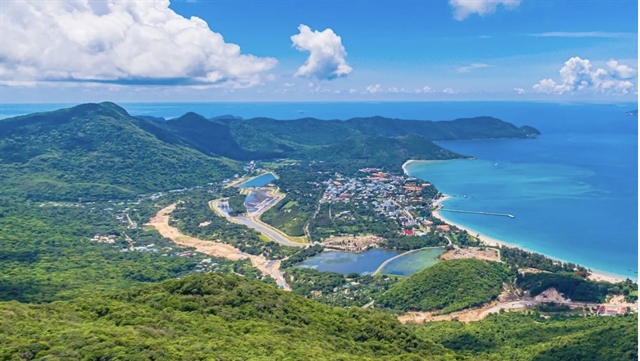
The management board of the Chàm Islands-Hội An World Biosphere Reserve, in cooperation with Đạt Phương Group, began planting the first 500 fish poison trees (Barringtonia asiatica) and tamanu trees (Calophyllum inophyllum) as part of the One Green Billion campaign to restore the forests on the islands through 2030.