 Economy

42 people hospitalised over suspected gas leak in Hà Nội
1.
|
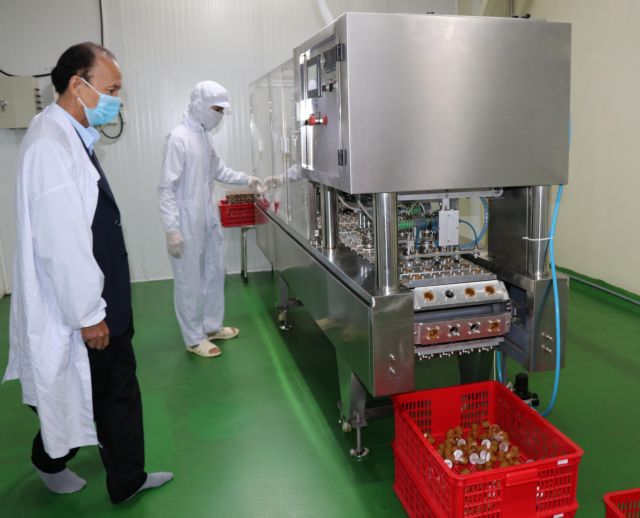
| A worker operating a machine for coffee processing for EU export. — VNA/VNS Photo |
By Ly Ly Cao
HÀ NỘI — Exporters seeking to strengthen their presence in the European Union must prepare for a fundamental shift in the bloc's import requirements, moving beyond product compliance to proving the sustainability of their entire production process, according to former Deputy Minister of Foreign Affairs Ambassador Vũ Quang Minh.
Speaking at a recent conference on international market development, Minh said the EU is no longer focusing solely on the quality of the final product but is increasingly scrutinising every stage of the supply chain, from raw material sourcing and carbon emissions to packaging, traceability and digital data management.
"The EU is moving from inspecting the final product to inspecting and controlling the entire process that creates that product," he said, describing the transition as one of the most significant changes facing Vietnamese exporters.
According to Minh, many of the EU's new green regulations should not be viewed simply as technical barriers imposed by importing countries. Instead, he argued they are consistent with Việt Nam's own long-term development strategy, including its commitment to achieving net-zero emissions by 2050.
"Meeting these requirements is also helping us prepare for green and sustainable development," he said, adding that businesses should see compliance as part of the country's broader economic transformation rather than merely a condition for entering the European market.
He also linked the tightening standards to the growing impact of climate change across Europe, citing recent wildfires and extreme heat that have disrupted infrastructure and daily life.
"Climate change is real, global temperatures are rising, and we are also being affected," Minh said, explaining that Europe's environmental regulations reflect what he described as an urgent need for long-term survival rather than simply commercial interests.
Among the most immediate challenges for exporters is carbon management.
Minh said carbon emissions have become an important factor affecting both production costs and market access as the EU implements measures such as the Carbon Border Adjustment Mechanism (CBAM), which is designed to prevent carbon leakage and ensure fair competition for European manufacturers.
Businesses, therefore, face two options: either pay additional carbon-related costs at the border or reduce emissions throughout their production process.
"I believe we will choose to reduce emissions during production," he added.
To prepare, companies should begin collecting comprehensive and verifiable data on electricity consumption, fuel use, production volumes, direct factory emissions and emissions associated with purchased electricity.
They should also require suppliers to provide information about the environmental characteristics of their inputs so that emissions can be traced throughout the supply chain.
Another major change concerns product traceability.
According to Minh, the EU is extending traceability requirements beyond factories to the source of raw materials, particularly under the bloc's anti-deforestation regulation.
He said that products including coffee, cocoa, timber and various agricultural commodities will be affected as the regulation begins applying to large and medium-sized enterprises from the end of December, followed by smaller businesses in mid-2027.
To comply, exporters must demonstrate that products are not linked to deforestation or forest degradation, that production complies with Vietnamese law and that supply chains can be traced back to specific production areas.
Required documentation includes geographical coordinates of cultivation areas, land-use records, producer information, harvest dates, batch numbers, transport records and systems capable of separating verified raw materials from those that remain unconfirmed.
Minh said that existing agricultural certifications may support compliance but cannot replace the due diligence obligations required under the EU's new legislation.
|
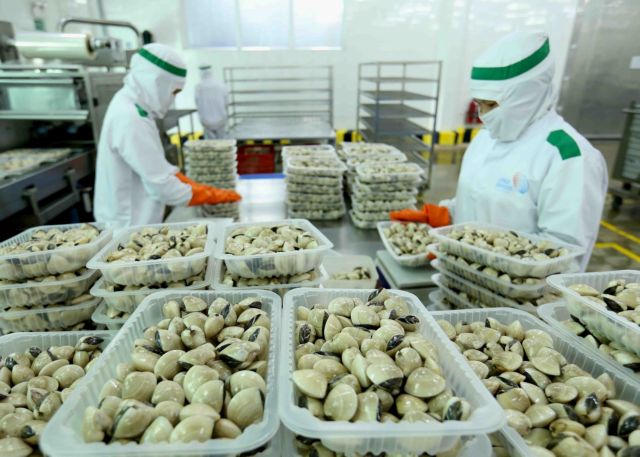
| Workers packaging seafood for export at a plant of Lenger Seafoods Vietnam. — VNA/VNS Photo |
Packaging regulations are also becoming considerably stricter.
Beginning this month, new EU rules require exporters to reduce unnecessary packaging materials, improve recyclability, increase the use of recycled content and gradually adopt reusable packaging models.
"The responsibility no longer ends when the product is sold," Minh said, noting that exporters may also face obligations related to packaging recovery in importing countries.
Perhaps the most significant change, he added, is the transition from relying on individual certificates to maintaining complete digital data systems.
Instead of asking which certificates are needed for the EU market, businesses should now ask whether their entire supply chain is supported by complete, transparent and verifiable data.
Each product, he said, should be accompanied by a digital dossier containing HS codes, rules of origin, supplier information, carbon and energy data, raw material records, quality certificates, packaging specifications, laboratory testing results and designated personnel responsible for maintaining the information.
"Do it now. Don't wait until customers ask," Minh said, warning that companies unable to produce the required documentation quickly risk losing export contracts.
Recognising that compliance may increase operating costs, particularly for SMEs. However, Minh argued that the cost of adaptation is significantly lower than the potential losses arising from rejected shipments, additional border taxes or exclusion from European supply chains.
To manage the transition more effectively, he recommended prioritising product lines with the highest export value, the greatest tariff advantages under the EU-Vietnam Free Trade Agreement (EVFTA), the most imminent regulatory deadlines and the strongest long-term customer demand.
Rather than investing across every product simultaneously, businesses should establish a phased roadmap, make greater use of existing operational data, apply artificial intelligence to organise documentation, adopt technologies that reduce both emissions and costs, and collaborate through industry associations to share compliance resources and digital systems.
Minh also advised exporters to seek support from Vietnamese trade offices and economic sections at embassies, which can help verify overseas partners and reduce commercial risks as enterprises navigate the EU's increasingly demanding regulatory landscape. — BIZHUB/VNS
Economy
 Economy
 Economy
 Economy
 Economy
 Economy
 Economy
 Economy
 Economy
 Economy
 Economy
 Economy
 Economy
 Economy
 Economy