 Economy



Việt Nam, Cambodia seek to bolster all-round ties: PMs
1.
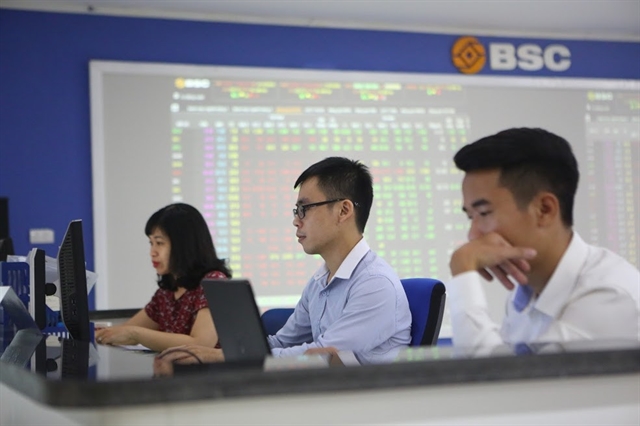 |
| Traders work in a trading room of a securities firm. — VNA/VNS Photo |
HÀ NỘI — The Ministry of Finance (MoF) is proposing a series of amendments to regulations governing electronic transactions on the stock market as authorities move to modernise the legal framework in line with rapid digital transformation and evolving trading practices.
According to a newly released draft circular, the proposed rules would replace Circular No. 134/2017/TT-BTC, which was amended by Circular No. 73/2020/TT-BTC. Both of the circulars currently regulate electronic trading activities on the country's securities market.
The ministry said the existing regulations had created a synchronised and unified legal basis for supervising online securities trading services, including requirements relating to technical infrastructure, cybersecurity, data storage, reporting obligations and electronic information exchange.
However, the rapid expansion of Việt Nam's stock market and the broader application of new technologies have created the need for additional regulations covering emerging digital transaction models and online verification processes.
According to the draft, the updated framework aims to address several practical developments that were not fully covered under previous regulations, including electronic know-your-customer (eKYC) procedures, electronic contracts, transaction authentication methods and API-based connectivity between securities firms and third-party service providers.
The proposal also includes provisions allowing foreign investors to place orders through intermediary order-routing systems operated by overseas financial institutions.
Under the draft circular, securities companies and service providers would be subject to revised requirements governing online service provision, customer authentication and transaction security standards.
Authorities are also seeking to establish clearer rules on different forms of electronic transaction authentication depending on the type and risk level of each transaction. The proposed framework is intended to help securities firms implement authentication procedures more consistently across the market.
Another major focus of the draft involves the expansion of application programming interface (API) connectivity within Việt Nam's securities industry.
The ministry said the revised regulations would formally introduce principles governing API deployment, along with responsibilities for securities service providers when implementing API-based financial services.
The objective is to support the development of digital financial products while improving customer experience and accelerating digital transformation across the securities sector.
The draft also proposes stricter and more detailed requirements relating to technical infrastructure, cybersecurity, information security and data storage for online trading systems.
The ministry said these amendments are designed to meet practical operational requirements, strengthen system safety and improve protection of investor data and rights.
The draft circular also revises reporting and information disclosure requirements to better support supervisory activities conducted by the State Securities Commission of Việt Nam.
In addition, new provisions would clarify the responsibilities of the Vietnam Exchange (VNX) and the Vietnam Securities Depository and Clearing Corporation (VSDC) in issuing operational regulations to ensure unified and secure connectivity across trading systems.
One notable proposal is the removal of administrative procedures relating to registration for online securities trading services by securities firms.
The ministry said these procedures had already been comprehensively regulated under Decree No. 155/2020/NĐ-CP guiding implementation of the Securities Law, making overlapping provisions unnecessary.
The draft circular also contains transitional provisions allowing service providers additional time to upgrade systems and standardise customer data while ensuring uninterrupted market operations during implementation. — BIZHUB/VNS
Economy
 Economy
 Economy
 Economy
 Economy
 Economy
 Economy
 Economy
 Economy
 Economy
 Economy
 Economy
 Economy
 Economy
 Economy