Where did good old fashioned diaries go?

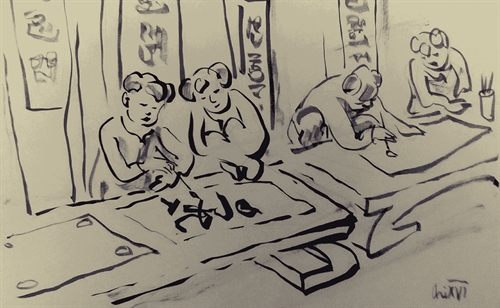
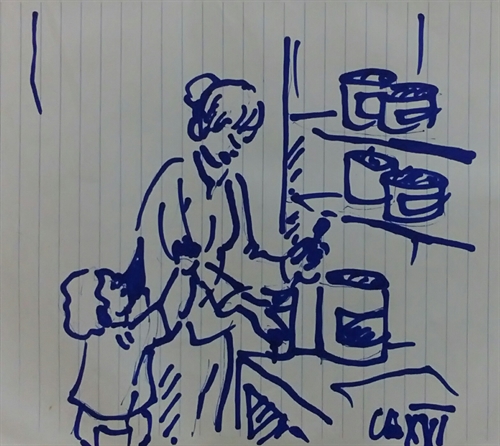
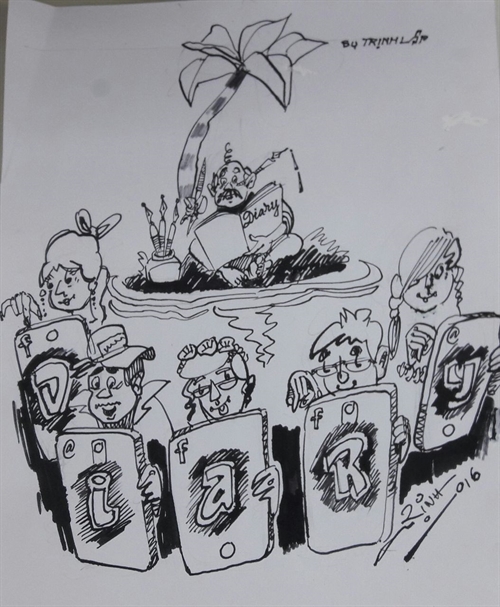
Long before the invasion of the internet that has brought along social networks and online forums to Việt Nam, many people used to write diaries as a way of expressing thoughts and emotions.

Why is Viet Nam so happy?

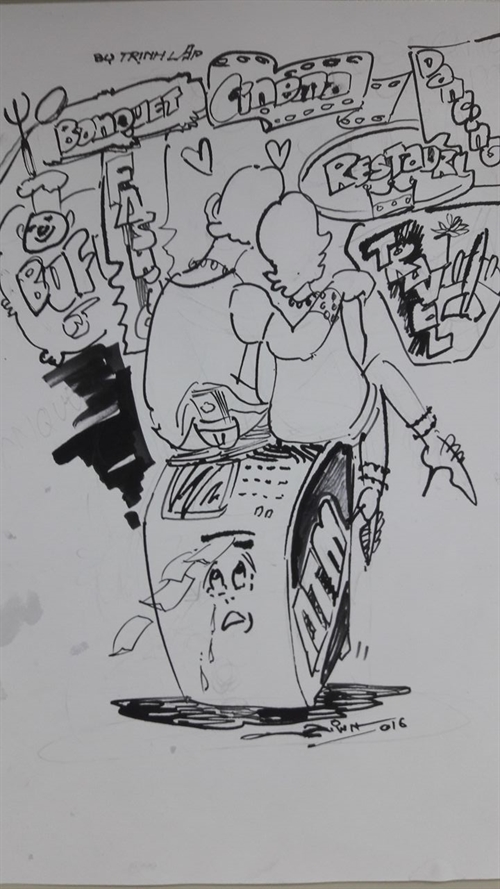
In 1968, the Beatles came out with a song called Can’t Buy Me Love. The idea that money, or material goods, doesn’t equal happiness has since become somewhat clichéd. But just because it’s a cliché, doesn’t make it less true.

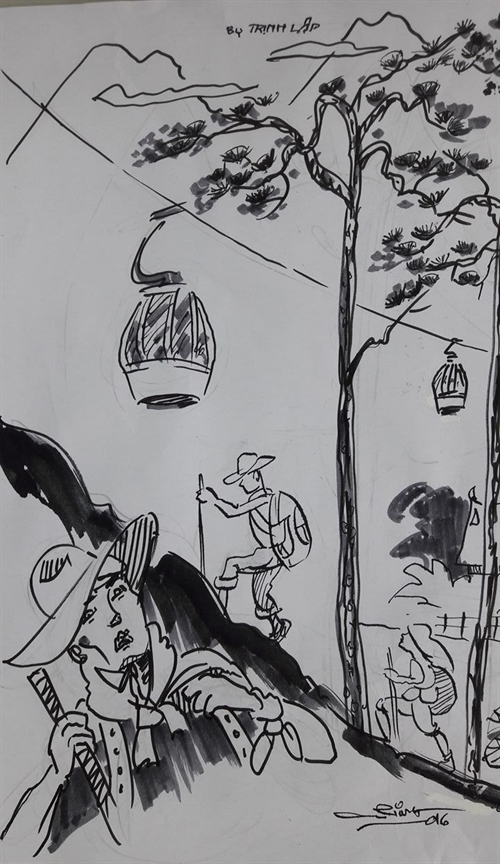
Code of conduct needed at tourism sites

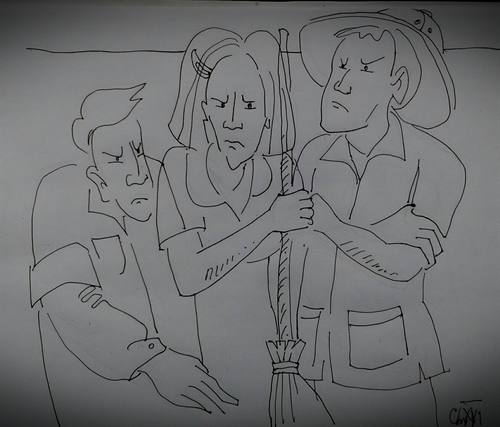
An official of a district-level office in central Hà Tĩnh Province has stirred a wave of outrage from public after his photo was posted on Facebook last Thursday.

Cool reception to fees for hotline calls

Various ministries and agencies have set up hotlines over the years to receive comments and recommendations from the public in order to improve the quality of their service. Hotlines help simplify some bureacratic procedures and signal the public that the ministries are heeding their complaints. But good intentions aside, running hotlines smoothly and effectively is a problem.

King of the road, king of the sidewalk

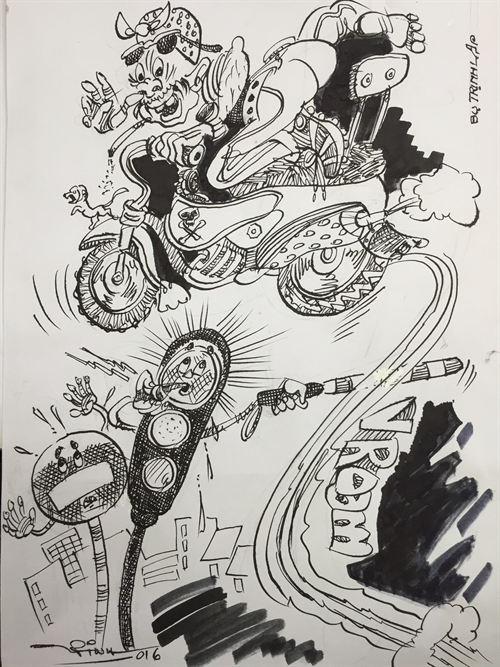
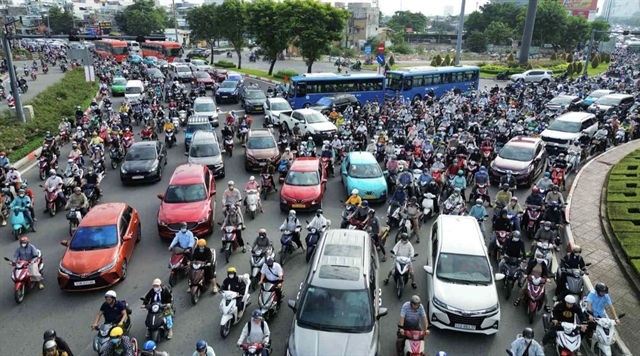
Much has been said and written about the travails of crossing the street in Việt Nam. Hotels hand out tip sheets to nervous tourists about navigating the endless swarms of seemingly unstoppable motorbikes clogging the streets, tour guides provide contradictory advice (one school of thought has it that it’s best to catch the eye of the motorcyclist bearing down on you in order to make him stop, another rejects this as nonsense). 

Are citizen reports of traffic violators good?

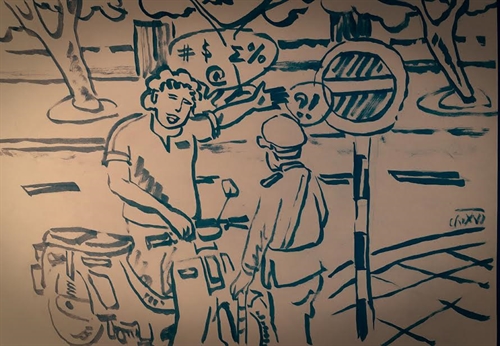
Traffic violation images or video provided by private citizens will be used to help police identify and crack down on violators. The new measures take effect next month under a new Government decree on traffic violations.

Green summer volunteer campaign to be reviewed

The news of the deaths of three students from the Hà Nội-based Foreign Trade University during a volunteer trip to a mountainous district of the northern province of Quảng Ninh in early July has made people across the country feel sad.

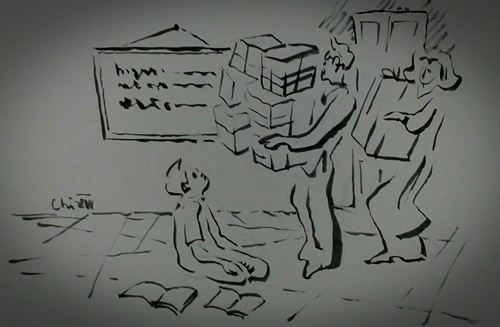
What’s most important for our children?

Many parents have pushed their children to study during the three-month-long summer vacation because they are afraid the kids will otherwise spend all their time playing games. They think studying is the most important task for their children.

Swim and slim: VN tackles child obesity

Over the past few years, obesity has spread at an unprecedented rate in the country, which just a few decades ago was stricken by wars and food shortage.

Teachers, parents angry at bilingual books

Parents of primary school children have already bought bilingual textbooks to for the next school year but an Education and Training Ministry official announced that the quality of the books has not been assessed and approved.

Obama draws crowds to pagoda, bun cha joint

The recent visit of US President Barrack Obama to Việt Nam has led to a dramatic increase in the number of visitors to the Ngọc Hoàng Pagoda in HCM City. The number of bún chả (vermicelli and grilled pork) eaters in Hà Nội has also sharply risen.

Senior citizen security guards face high risks

In Việt Nam, security guards are normally less respected than other professions such as nine-to-five officers. The average income of a guard is modest at about VNĐ3-4 million a month. That might be the reason why it is difficult to attract young workers to this job.

Dishes help promote Vietnamese tourism

Hương Liên Bún Chả Restaurant on Hà Nội’s Lê Văn Hưu Street became famous in a single night, after US President Barack Obama ate dinner there.

Law urges caution in posting child photos online

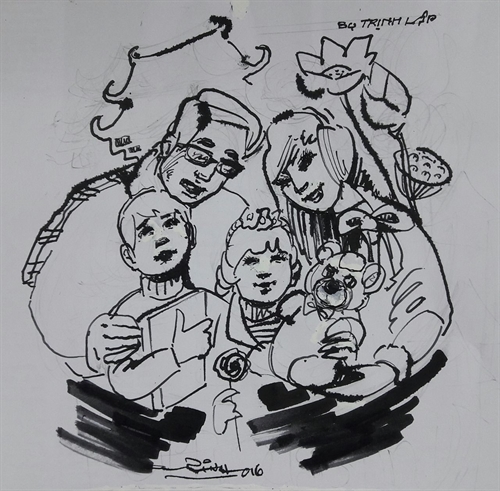
Many parents are considering changing their habits and refraining from posting photos of their children on social networks like Facebook in anticipation of the new Child Law, which would classify some cases as a violation once it takes effect in June 2017.

The law, for the first time, addresses child cyber protection and aims to prevent and curb child abuse in which offenders use public images and information posted online.

E-paper