 Society

AXA Global Healthcare Mind Health Report reveals global differences in how cost and stigma affect access to professional mental health care
1.

|
| Prime Minister Phạm Minh Chính chairs the 24th meeting of the State Steering Committee for key national projects and major transport infrastructure works. — VNA/VNS Photos Dương Giang |
HÀ NỘI — Prime Minister Phạm Minh Chính on Thursday urged ministries, localities and project stakeholders to optimise resources and improve efficiency in the implementation of major transport infrastructure projects as the country accelerates the expansion of its national expressway network.
Speaking at the 24th meeting of the State Steering Committee for key national projects and major transport works, the PM said the development of strategic infrastructure must follow five guiding principles, including greening, digitalisation, optimising resources and project efficiency, smart governance, and harmonising the interests of the State, citizens and businesses.
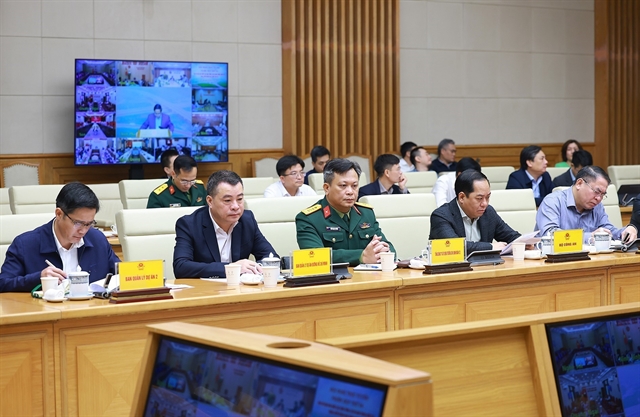
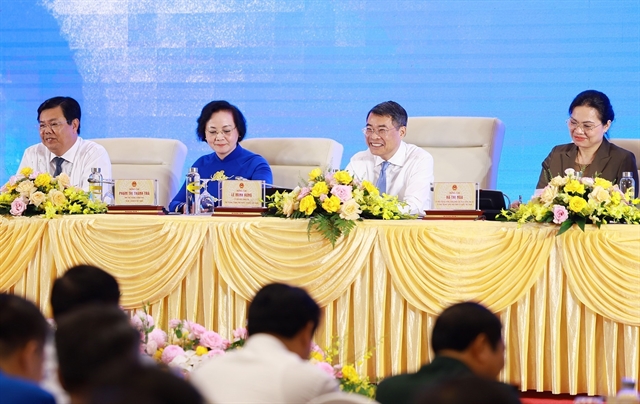
The meeting was held online with 27 provinces and cities hosting major transport projects and Deputy Prime Minister Trần Hồng Hà, ministers, provincial leaders, and representatives of project management boards, investors and contractors in attendance.
Reports presented at the meeting showed that ministries, agencies and local authorities have been working to carry out 28 tasks assigned at the committee’s previous meeting. Of these, three have been completed on schedule, 22 are being actively implemented, while three remain unfinished.
Authorities have focused on accelerating progress on projects that have already been technically opened to traffic, while completing the remaining components, such as service roads, rest areas, toll stations and vehicle weight control systems.
Việt Nam has so far put 3,345km of expressways into operation or technical service, while 1,252km are currently under construction and about 1,721km are in the preparation stage for investment.
Key projects under close monitoring include Phase 1 of Long Thành International Airport as well as transport infrastructure projects serving APEC 2027. Relevant ministries have also completed procedures needed to approve the feasibility study for the Gia Bình Airport.
Despite the recent Lunar New Year holiday, investors and contractors continued construction on several projects by maintaining round-the-clock work schedules to complete outstanding components and bring the projects into operation as soon as possible.
PM Chính praised ministries, local authorities, engineers, workers and contractors for their efforts, including those who worked through the holiday period to maintain construction progress.
However, he noted that several assigned tasks remain incomplete, mainly due to delays in land clearance and the approval of investment policies for some projects.
Provinces including Cao Bằng and Phú Thọ have yet to approve investment policies for the Bắc Kạn-Cao Bằng and Hòa Bình-Mộc Châu expressway projects.
Meanwhile, several other localities have not fully handed over construction sites for ongoing projects.
|
| Delegates at the meeting. |
The Government leader asked the relevant authorities to urgently address the remaining issues and complete land clearance in March 2026 to ensure that project schedules are maintained.
He also stressed the need for ministries, localities, investors and contractors to strictly comply with legal procedures during project implementation, emphasising that corruption, waste and losses of public assets must be prevented.
Public investment in major transport infrastructure projects is expected to play a key role in driving economic growth as the country begins implementing its 2026-30 development plan.
The country aims to expand its expressway network to 5,000km by 2030, creating stronger regional connectivity and opening up new development space for provinces across the country.
PM Chính also called for stronger coordination among ministries, local authorities and project stakeholders to overcome challenges and accelerate progress, while ensuring that projects meet quality, safety and environmental standards.
He urged investors and contractors to maintain high levels of determination and responsibility, organise construction efficiently and continue working in multiple shifts where necessary to meet deadlines.
At the same time, local authorities were asked to review and adjust provincial development plans to align with new expressway routes, ensuring that transport infrastructure supports broader economic development and maximises the benefits of public investment. — VNS
Society
 Society
 Society
 Society
 Society
 Society
 Society
 Society
 Society
 Society
 Society
 Society
 Society
 Society
 Society