Vietnam’s fast-tracked National Assembly elections signal momentum for reform, but the real test lies in whether new deputies can deliver growth, stronger laws and tangible results.
The 2026–2031 term needs to be one of institutional innovation, enhanced governance effectiveness, and strengthened public trust in elected bodies.
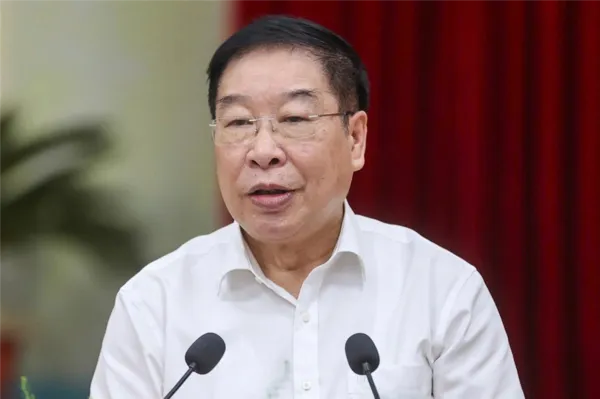
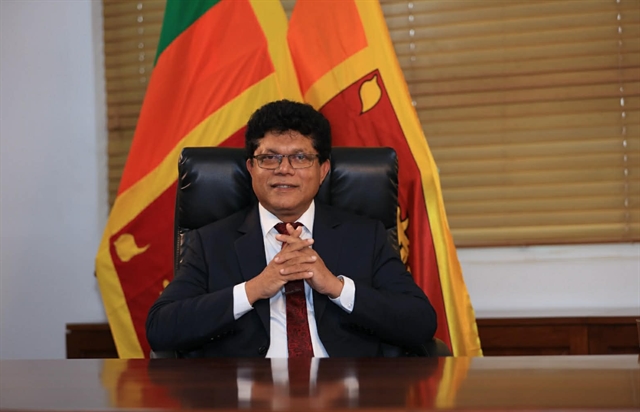
Professor Qu Qiang said that early preparation of the leadership apparatus will help ensure the smooth functioning of the political system and allow state agencies to implement development strategies more effectively.
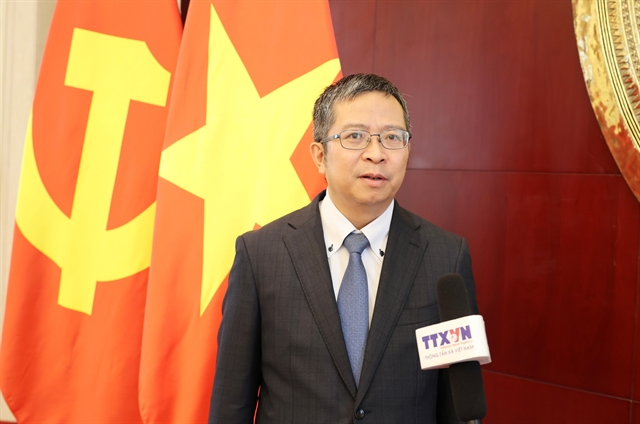
Phan Kiên Cường, Deputy Director of the Việt Nam Economic and Trade Development Consulting Centre (Vicendeti), identified four strategic pillars needed to strengthen inter-parliamentary cooperation and elevate legislative diplomacy in support of Việt Nam’s development goals during the next term.
Vice President of the Việt Nam – Malaysia Business Association Nguyễn Thị Thanh Vân pointed to a fundamental shift in legislative mindset, from regulatory control toward development facilitation, focusing on dismantling institutional bottlenecks.
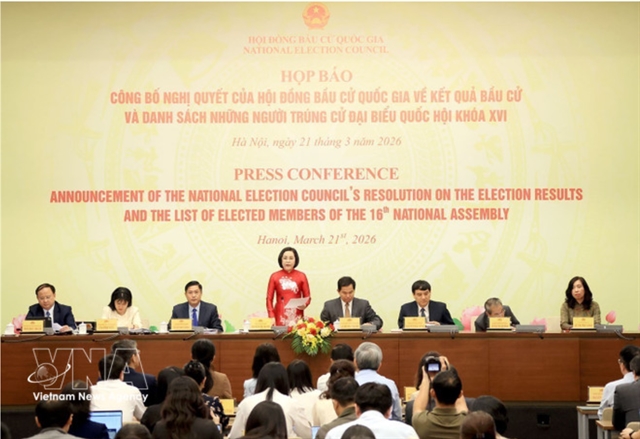
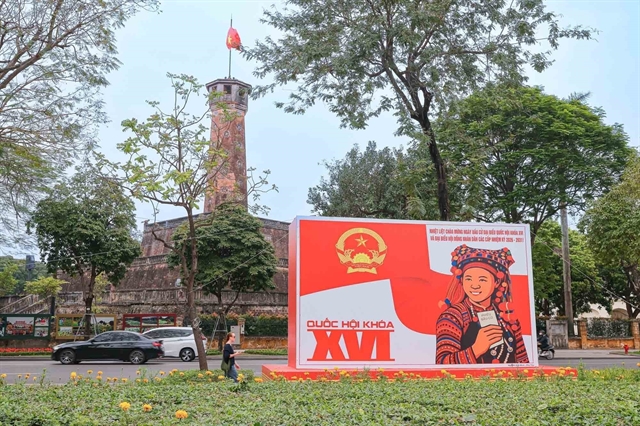
The election of deputies to the 16th National Assembly and People's Councils at all levels for the 2026-31 term concluded successfully, marking a major political event that demonstrated the people's right to mastery and contributed to strengthening the State apparatus. On this occasion, Associate Professor Dr Lê Minh Thông, former Deputy Chairman of the National Assembly's Law Committee, talks to media about the significance and outcomes of the election.
Professor Mukhia said the 15th NA for the 2021–2026 tenure has been widely recognised for its proactive, reform-oriented and development-facilitating approach rather than a purely administrative role.
The 17th meeting provides an opportunity for the two sides to comprehensively review progress in bilateral cooperation since the previous session and further implement high-level common perceptions.
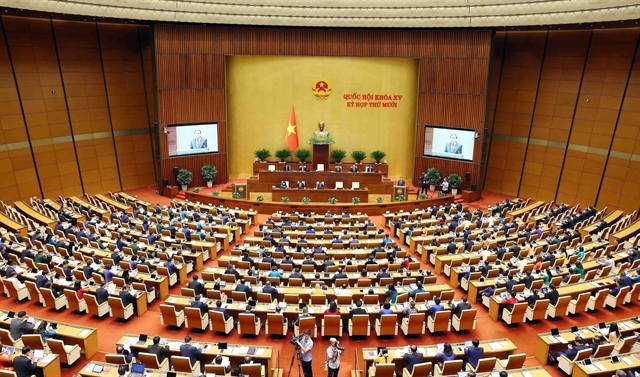
With the election of deputies to Việt Nam’s 16th National Assembly and People’s Councils for the 2026–2031 term concluded, attention is turning to expectations for the newly elected legislature. International experts have shared their views on the achievements of the previous term and priorities for the years ahead.
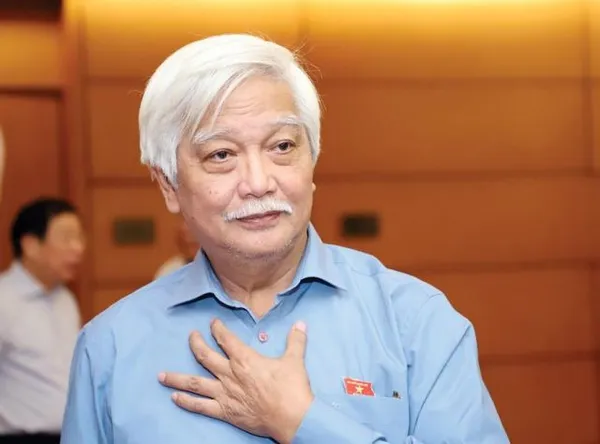
Historian Dương Trung Quốc offers insights into the development of Việt Nam’s National Assembly elections and their close connection to the country’s evolving political system.
Việt Nam's election plays a vital role in ensuring political stability, bolstering governance capacity and accelerating national development during a critical transitional phase.
Dr. Chheang Vannarith, Deputy Secretary-General and Chairman of the Advisory Council of the Cambodian National Assembly said the election is an important event in the country’s ongoing process of intensive and substantive reforms, in which the NA plays a key role in promoting reform and development.
Malaysia-based Southeast Asian history and defence researcher Enzo Sim Hong Jun stressed that the 16th National Assembly will play a pivotal role in further refining the legal framework and advancing the country’s international commitments.
Dr Nguyễn Hồng Sơn highlighted important improvements, including the regulations allowing overseas Vietnamese to own property in Việt Nam and amendments to the Law on Nationality, which have had positive impacts on the Vietnamese community abroad.
The vote plays a vital role in ensuring political stability, bolstering governance capacity and accelerating national development during a critical transitional phase.
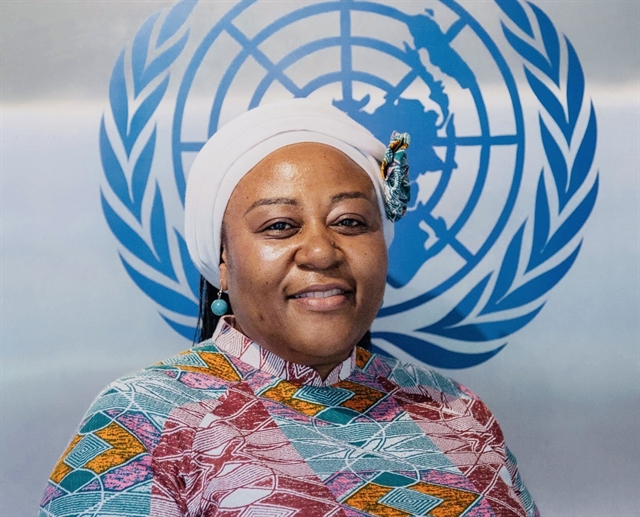
Việt Nam has taken a number of effective steps to promote women’s political participation, offering valuable lessons for other countries, said UN Women in Việt Nam's country representative Caroline Nyamayemombe.
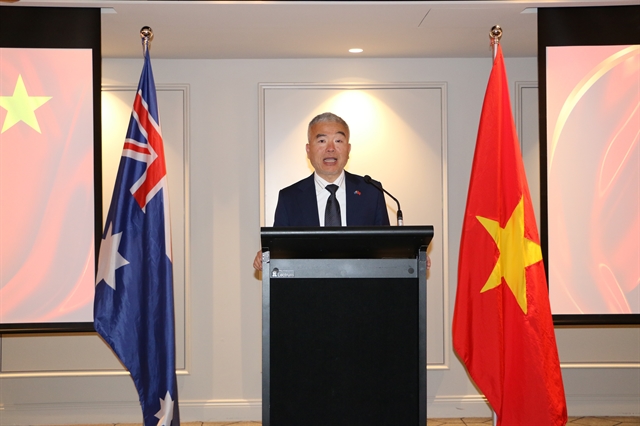
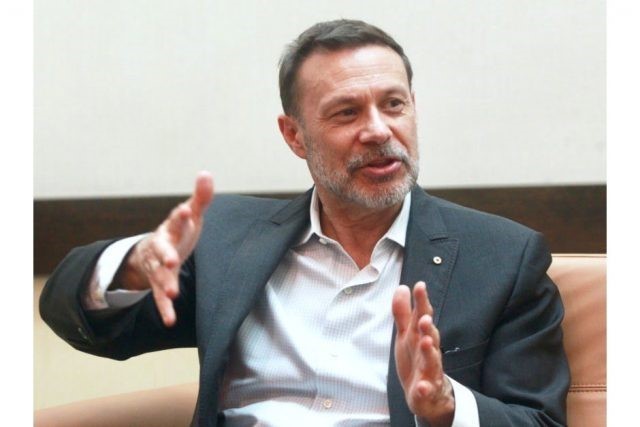
Moving the 2026 election forward is a practical decision to ensure high‑level personnel changes are made as quickly as possible, so that nothing delays the implementation of the 14th Party Congress’s ambitious agenda, said the Australian diplomat.
Female leaders speak to Việt Nam News reporter Thu Trang about the role, position and political participation of Vietnamese women on the occasion of the election for 16th National Assembly.