 Op-Ed
Op-Ed
Smart Banking 2026 to open next week in Hà Nội
1.
 |
| UN Resident Coordinator in Việt Nam, Pauline Tamesis. Photo courtesy of the UN in Việt Nam |
Pauline Tamesis*
On December 10, the world marks Human Rights Day. The 2025 theme, Human Rights: Our Everyday Essentials, reminds us that rights are not abstract—they shape daily realities: health, education, housing, work, equality, dignity and a clean and healthy environment.
In Việt Nam, human rights are closely linked to its remarkable development story. Strong economic growth, poverty reduction, expanded education and improved healthcare have transformed millions of lives. As Việt Nam moves towards upper-middle-income status, the challenge is ensuring that economic progress continues to deliver social progress for all, especially the vulnerable.
Essentials of dignity
For most people, rights begin with the basics: affordable health care, quality education, adequate housing, clean water, nutrition, social protection and decent work. These determine whether children can learn, whether illness leads to poverty, and whether families live in safety and dignity.
Việt Nam has expanded health coverage, improved maternal and child health, and strengthened education systems. Yet equitable access for rural communities, ethnic minorities, persons with disabilities, migrants and the urban poor remains critical. Housing, social protection and basic services protect families from shocks, disasters and illness. These are not only development priorities, they are human rights obligations and investments in resilience.
Inclusive growth and equality
Economic growth is most powerful when inclusive. Việt Nam’s dynamic economy generates opportunity and employment, but attention to labour rights, fair wages, safe conditions, gender equality and social protection ensures benefits reach all. Human rights also require that no one is left behind because of who they are, whether gender, disability, ethnicity, age, migration status or sexual orientation. Equality and non-discrimination are not barriers to development; they drive fairness, productivity and social cohesion.
Climate and environment
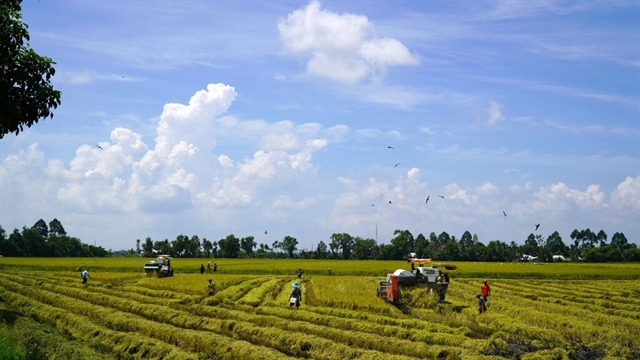
Climate change is already reshaping life in Việt Nam. Floods, droughts, rising sea levels and salinisation affect livelihoods, food security and housing, particularly in the Mekong Delta and coastal zones.
The right to a clean, healthy and sustainable environment is now one of the most urgent human rights issues. Protecting land, water, forests and ecosystems is essential for livelihoods, disaster risk reduction and food security. Inclusive land governance, environmental protection and climate adaptation are therefore human rights imperatives.
Human rights mechanisms: From dialogue to accountability
Việt Nam’s engagement with UN human rights mechanisms, most recently the Human Rights Committee, the Committee on the Rights of Persons with Disabilities, and the Universal Periodic Review, reflects ongoing dialogue on strengthening rights protection.
Recommendations consistently address everyday realities: justice, health, education, labour rights, disability inclusion, equality, participation and environmental protection. Their value lies not in reporting alone, but in coordinated, well-resourced implementation across institutions and sectors.
Việt Nam on the global human rights stage
Việt Nam’s second term on the UN Human Rights Council highlights its growing role in global dialogue. Membership brings both opportunity and responsibility: to share experience, learn from others and strengthen national systems for protection and accountability. It underscores the need to translate international commitments into tangible results at home.
Partnership for implementation
The United Nations in Việt Nam works with the government, parliament, provincial authorities, civil society, youth, the private sector and development partners to advance shared goals.
From health and education reform to disability inclusion, gender equality, climate-resilient livelihoods, safe migration and responsible business conduct, UN cooperation supports a vision of development grounded in rights. The UN stands ready to continue supporting Việt Nam in implementing recommendations through national action plans, policy reform, institutional strengthening, capacity-building, data systems and inclusive dialogue.
Human rights are not distant promises; they are the essentials of daily life. As Việt Nam advances on the global stage, the test of progress is whether every person can live with dignity, equality and security. — VNS
* Pauline Tamesis, UN Resident Coordinator in Việt Nam
Op-Ed
 Op-Ed
Op-Ed
 Op-Ed
Op-Ed
 Op-Ed
Op-Ed
 Op-Ed
Op-Ed
 Op-Ed
Op-Ed
 Op-Ed
Op-Ed
.jfif) Op-Ed
Op-Ed
 Op-Ed
Op-Ed
 Op-Ed
Op-Ed
 Op-Ed
Op-Ed
 Op-Ed
Op-Ed
 Op-Ed
Op-Ed
 Op-Ed
Op-Ed
 Op-Ed
Op-Ed