
Is our corruption glass half full or half empty?
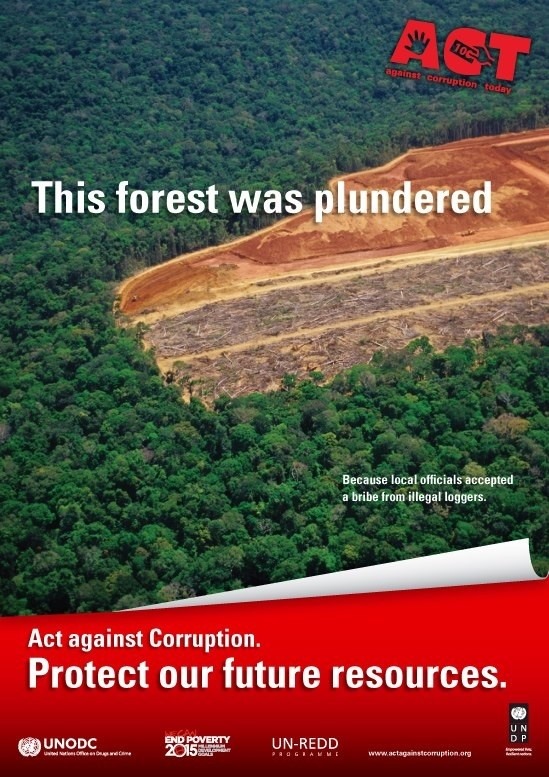
Given their frequency, we should not be surprised, but we continue to be shocked each time an instance of corruption in high places comes to light.
Given their frequency, we should not be surprised, but we continue to be shocked each time an instance of corruption in high places comes to light.
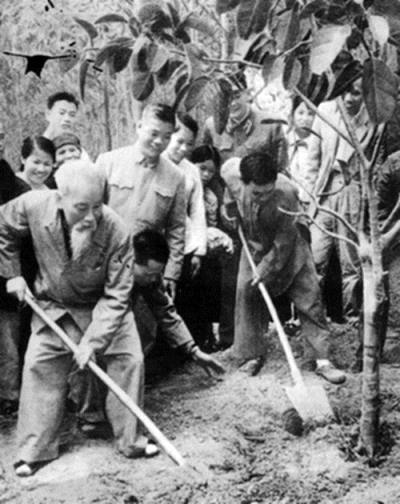
In recent times, it seems that the spring tree planting ceremony has been made unnecessarily pompous with the richness of its original meaning having been lost to many.
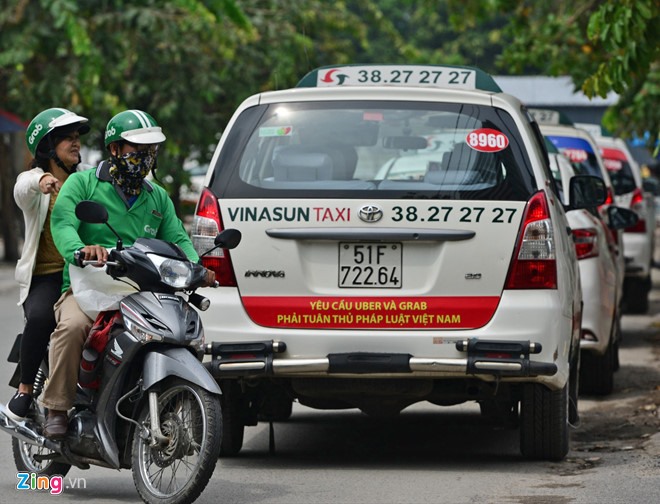
During an unprecedented trial between a HCM City taxi firm against Grab, a Uber-type company, for alleged unfair competition, the judge posed a simple but fundemental question: “What field was Grab’s business licence registered in?”

Last month a Vietnamese woman in Hanoi was attacked and set on fire by her foreign ex-boyfriend, who allegedly threw petrol at her, leaving her in critical condition with life-threatening burns. This shocking news is a painful reminder of the universality of the issue: there is no safe space from gender-based violence. The #MeToo movement around the world has underscored the widespread prevalence of sexual abuse and violence.

It is not for nothing that prostitution has been called the world’s oldest profession. To end it, we have to end male demand for sex and remove the socio-economic constraints that propel women into the profession.
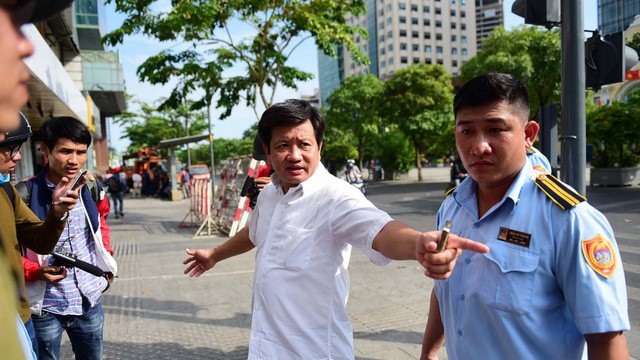
On Monday, Deputy Chairman of the District 1 People’s Committee Đoàn Ngọc Hải in HCM City handed in his papers, admitting failure in his efforts to clear pavements of unauthorized vendors and other forms of illegal encroachment.
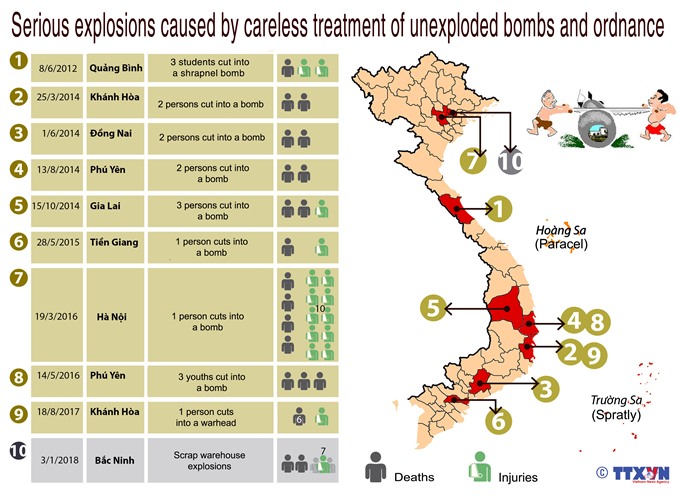
In just several hours on Wednesday, two explosions constantly occurred at the same place in a village in the northern Bắc Ninh Province’s Yên Phong District, killing two people, both of whom are children, and injuring eight others, all are nearby locals.
In a Đà Nẵng plot that has thickened steadily over the last several years, police are seeking a 42-year-old real estate tycoon, Phan Văn Anh Vũ, for criminal charges of “revealing State secrets.”
I am in deep dudgeon and could not hold back tear after seeing the image of a 10-year-old boy in Hà Nội’s Cầu Giấy District covering with serious injuries released earlier this month.

The tension ratcheted up in the Korean peninsula by state actors and the Western media in particular seemed to peak as the isolated country successfully fired an intercontinental ballistic missile less than a week ago. The drama continues, but there has been a decisive shift in the status-quo.
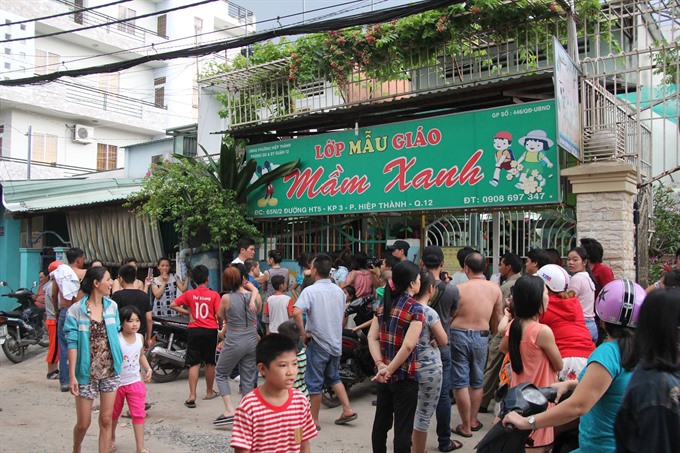
The regularity with which instances of brutality towards their wards by nannies and caretakers at kindergartens are coming to light is as frightening as it is horrific.

The Ministry of Education Training has revealed a draft plan to spend up to VNĐ12 trillion (US$533 million) to train 9,000 PhD holders for Việt Nam by 2025, which has immediately stirred public outcry for its impracticality and waste of resources.

This week is Antibiotic Awareness Week (AAW). The main take away message is seek expert advice to use antimicrobials responsibly.

Several Vietnamese friends had shared their experience of being sexually harassed or abused on Twitter and Facebook, using the hashtag Me Too (#Metoo).

Whatever the merits or demerits of the recent brouhaha over a PhD dissertation, the time is opportune to take a seriously critical look at some post-graduate academic practices and “traditions” in the country.

“Women are the largest untapped reservoir of talent in the world,” former US Secretary of State Hillary Clinton once said.
Knee-jerk responses to social media flak is not good governance
The Asia-Pacific Economic Cooperation (APEC) is home to 40 per cent of the world’s population, 50 per cent of global trade, and 60 per cent of global GDP. Over the last quarter century, APEC has shaped and transformed the global economy and supported half a billion people in their rise out of poverty.
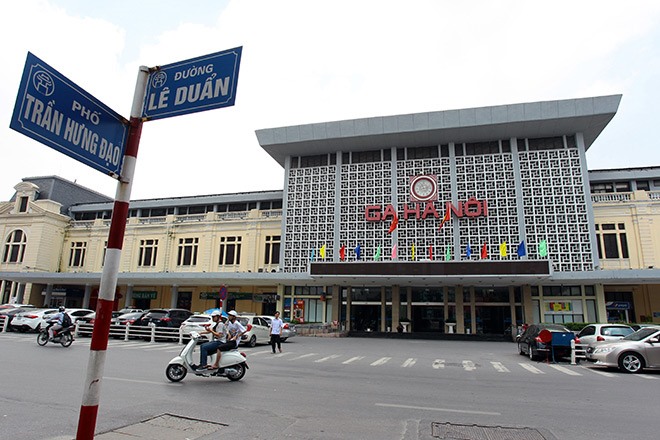
For the second time in two years, a proposal put forward by the Hà Nội Police Department to move Hà Nội Railway Station (HNRS) and all inter-provincial railway tracks to the suburbs has been rejected by many experts and citizens.
The many uses of biotechnology in helping to feed the world’s hungriest region – Asia and the Pacific