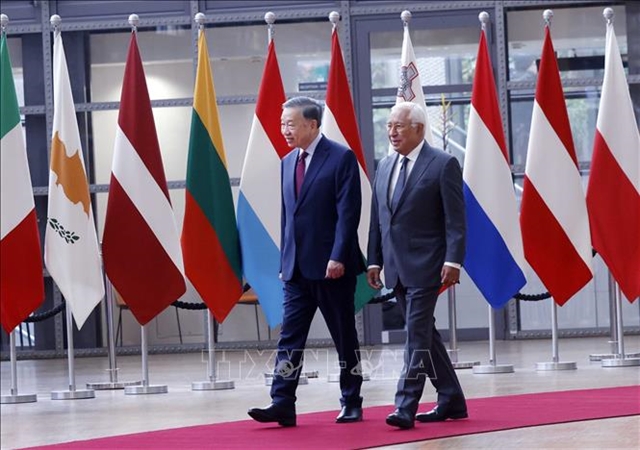
Việt Nam and its European partners also agreed to make more effective use of the EU–Việt Nam Free Trade Agreement (EVFTA), promote trade and investment, and address outstanding difficulties.
It took Seoul more than 40 years to transform from a bus-dependent city into a rail city where public transport carries 65-70 per cent of trips. If Hà Nội supplements its urban rail plan with high-speed lines and embraces the motorbike as rail’s partner, it can bypass Seoul’s trial and error and leap directly to a transport system built for the future.
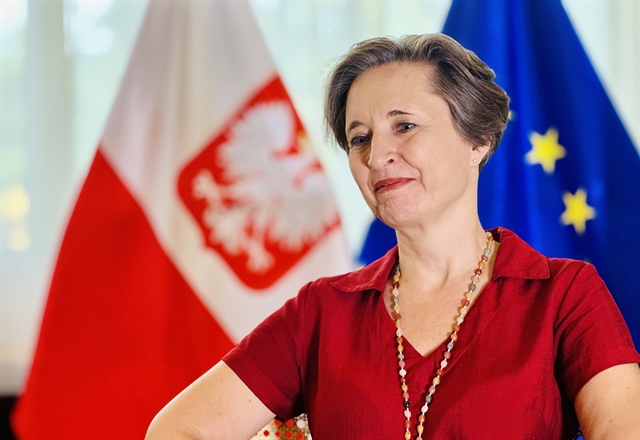
With bilateral trade above US$8 billion in 2025, Poland wants to export more higher-value goods to Việt Nam and share its experience in green technology and digital public services.
Science and technology, education and training are also promising areas, with the two countries seeking to promote innovation, improve human resources and support sustainable development.
Major General, Associate Professor and Doctor Nguyễn Văn Sáu, Deputy Director of the Institute for Defence Strategy and History under the Ministry of National Defence, spoke to Vietnam News Agency about Party General Secretary and State President Tô Lâm’s call to shift from “employing talented people” to “employing proven talent”.
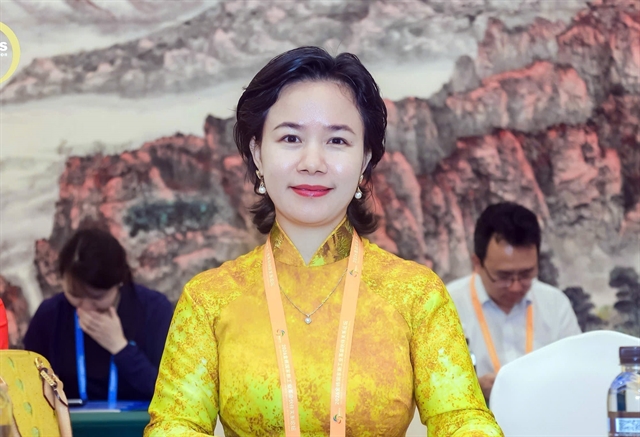
Trần Tuệ Tri, an overseas Vietnamese in Singapore and founder and CEO of the Stamford Global Leadership Centre, stressed that Vietnamese women abroad played a role that is both intimate and far-reaching.
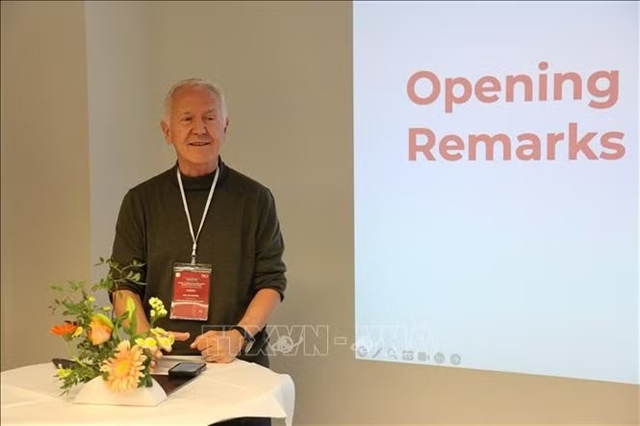
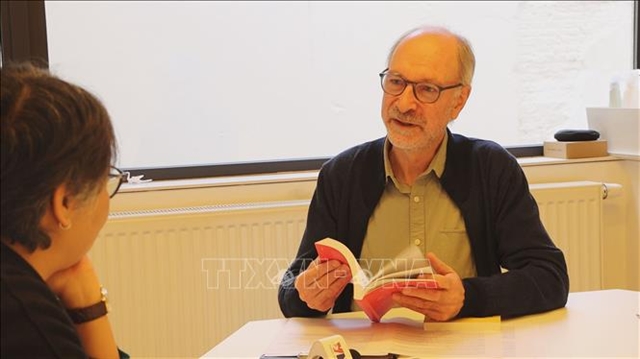
Việt Nam’s struggle for liberation inspired the Workers’ Party of Belgium (PTB)'s student founders, said Bert De Belder, head of the PTB’s Department of International Relations.
The agenda will cover trade and investment, energy, education, science and technology, security, and critical raw materials, alongside discussions on international law and multilateral cooperation.
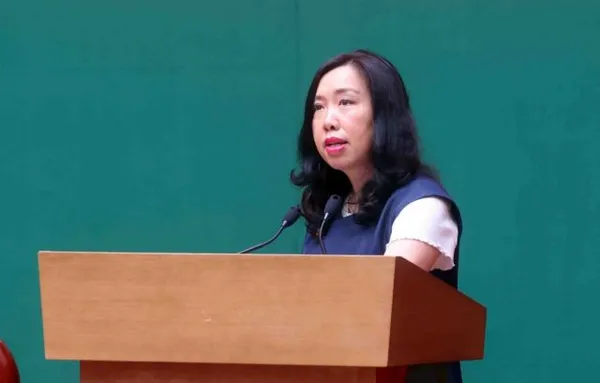
It is now a matter of following up and translating the priorities identified by top leaders of Việt Nam and France into concrete actions to strengthen the mutual cooperation, French Minister Delegate for Francophonie, International Partnerships and French Nationals Abroad Éléonore Caroit told local media during her working trip to Việt Nam from October 17-19.
Cooperation should extend beyond academia to Vietnamese experts working at major technology corporations and research and development institutions
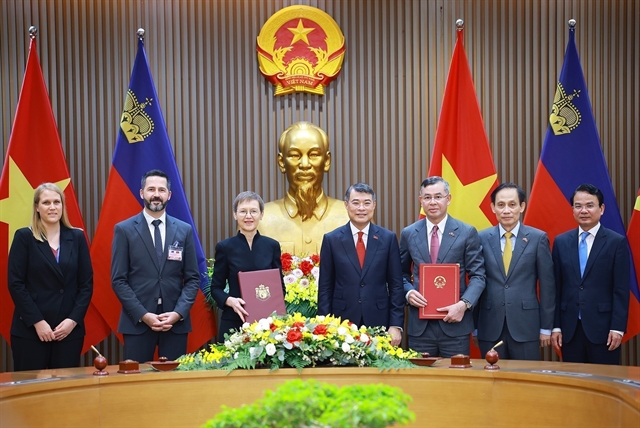
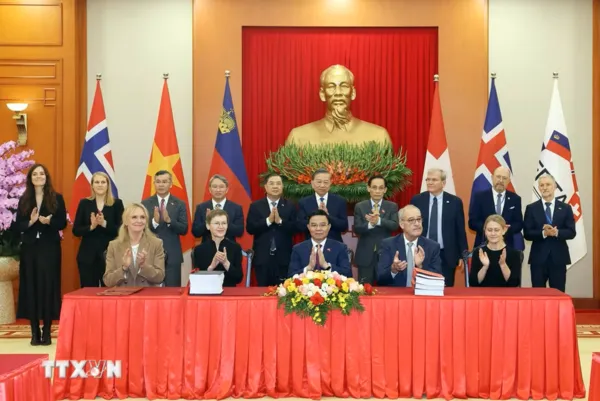
During the visit, the two sides signed several cooperation documents, chiefly the Việt Nam–EFTA Free Trade Agreement (FTA) and a Việt Nam–Liechtenstein accord to eliminate double taxation and prevent tax evasion and avoidance.
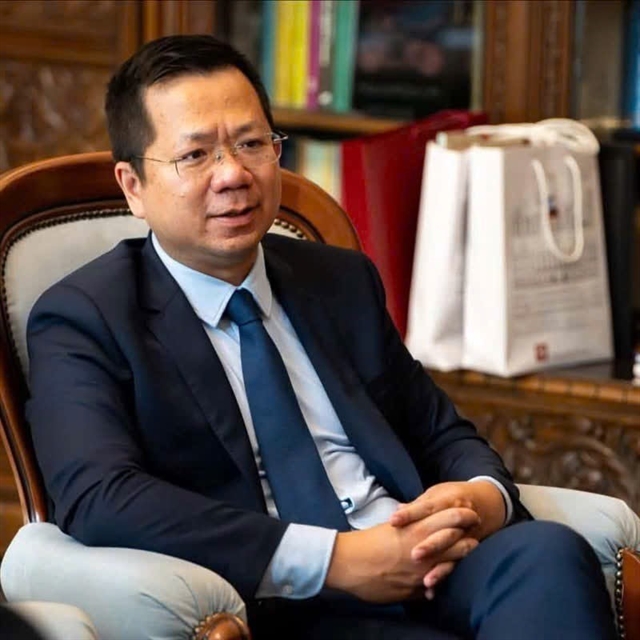
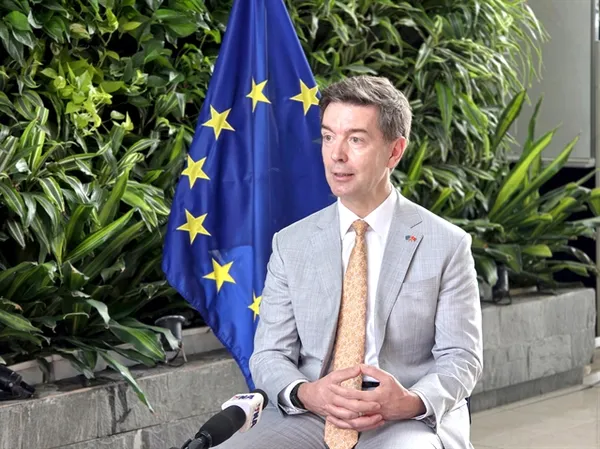
Việt Nam should seek reliable, high-quality international partners for its green transition and and digital transformation, with Belgium and Europe well placed to fulfil that role, Belgian Ambassador to Việt Nam Pieter Leenknegt said.
Việt Nam’s digital and green transitions offer an important opportunity to expand women’s economic choices and leadership. The ambition should be for women to help shape these transformations, with safety, equal opportunity and shared benefits built in from the outset.
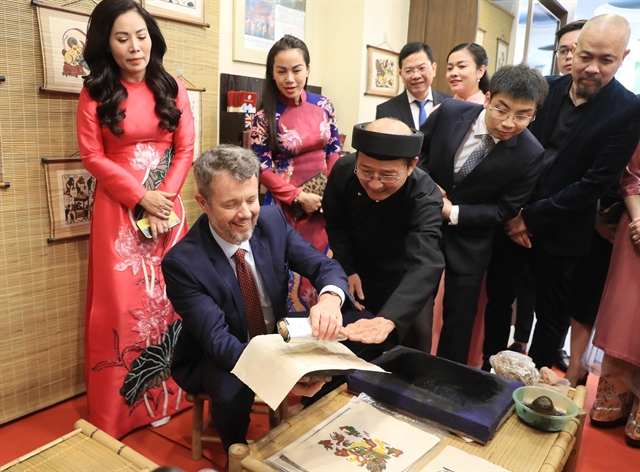
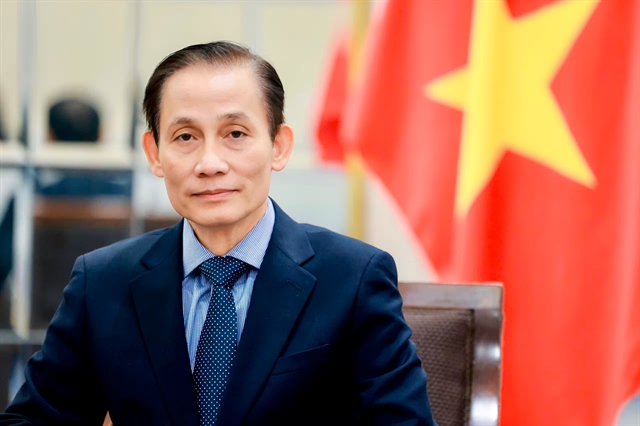
As Party General Secretary and State President Tô Lâm begins a state visit to Denmark, former ambassador Lương Thanh Nghị reflects on 55 years of friendship between the two countries and the lessons Việt Nam can draw from Denmark’s experience in innovation, education and the green transition.
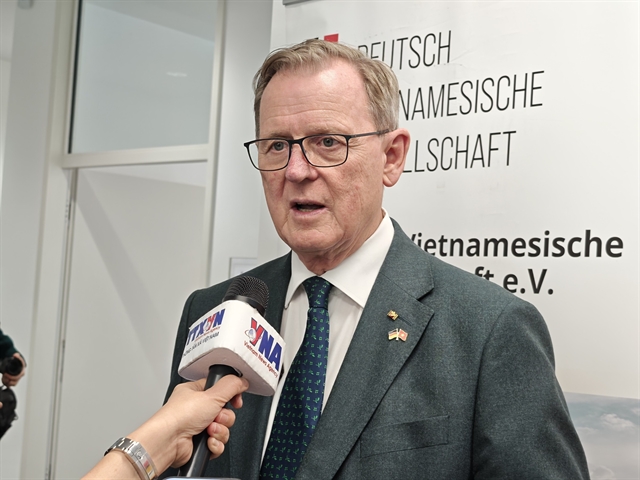
Tens of thousands of Vietnamese students are pursuing vocational training in Germany, adding that it is a positive development. Cooperation also enables young Vietnamese people to obtain dual vocational qualifications recognised by both countries, helping improve their career prospects.
Việt Nam and the EU upgraded ties to a Comprehensive Strategic Partnership in January, and the visit reinforces Việt Nam’s role as ASEAN’s bridgehead in cooperation with the bloc.
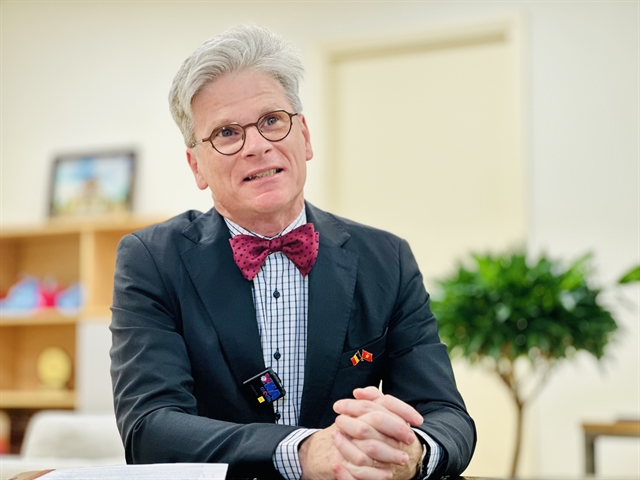
To mark the signing of the EFTA–Việt Nam Free Trade Agreement (FTA) on October 18, Swiss Ambassador Thomas Gass and Norwegian Ambassador Stein Iversen speak to Việt Nam News reporter Nguyễn Hằng about the deal’s potential to boost trade and investment between Việt Nam and EFTA member states.
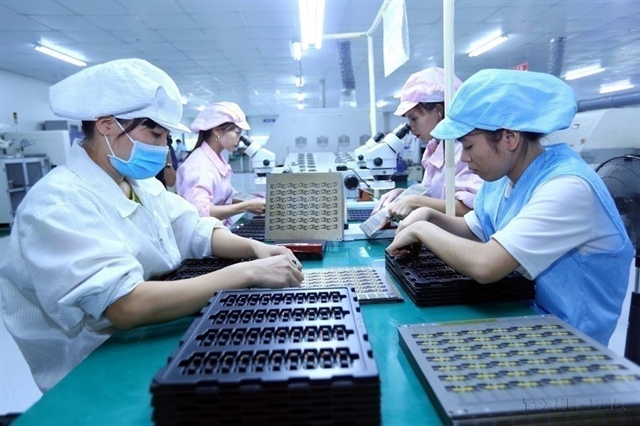
With its comprehensive scope, the Việt Nam-EFTA FTA will not only promote trade and investment but also cover areas such as intellectual property protection, rules of origin, public procurement and sustainable development. Trade liberalisation and greater transparency are also expected to spur development in innovation, research and the financial sector.
.jpg)
.jpg)