
Shares fall on increased selling force, declining liquidity
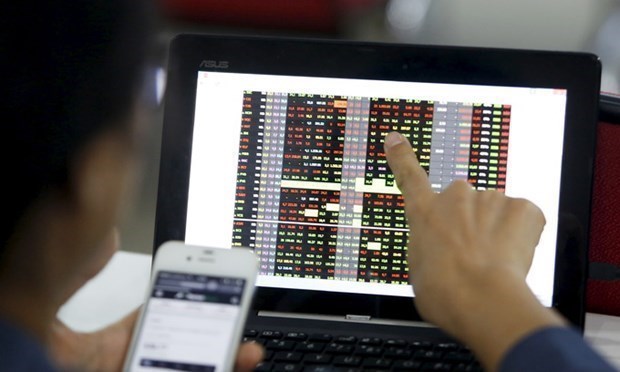
Vietnamese markets extended losses on Wednesday on increased selling pressure and decreased liquidity.
Vietnamese markets extended losses on Wednesday on increased selling pressure and decreased liquidity.

The Becamex IDC and CapitaLand signed a deal to develop Bình Dương New City in the southern province of Bình Dương early this week.
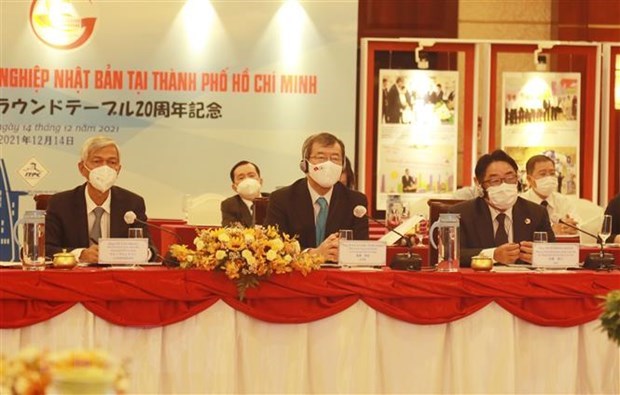

Vietnamese enterprises need to take advantage of the European Union-Việt Nam Free Trade Agreement (EVFTA) to increase trade value, according to the Việt Nam Chamber of Commerce and Industry (VCCI)
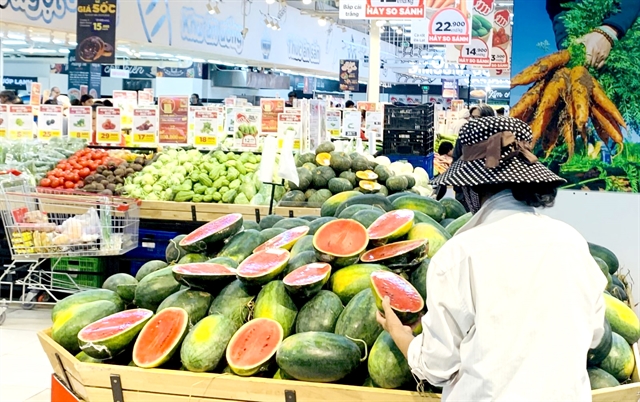
Businesses in HCM City are preparing a wide range of essential goods commonly consumed during the upcoming Tết (Lunar New Year) holiday to ensure sufficient supply and stable prices.
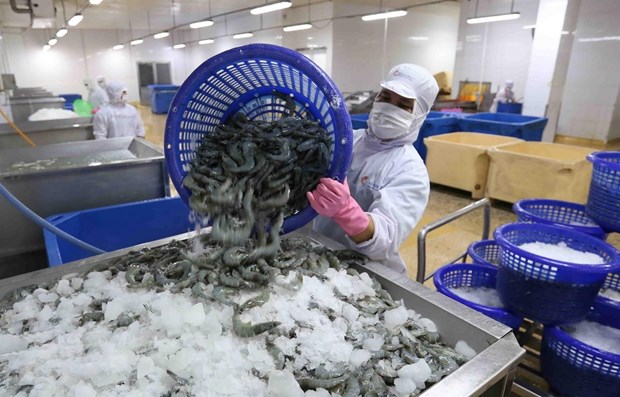

Businesses in HCM City have been doing a good job adapting to the pandemic and ensuring safe production in the last several months, a panel of experts has said.
.jpg)
Việt Nam's steel exports have increased in recent years. As a result, the sector has attracted attention from other countries and triggered a number of defence measures from some markets.
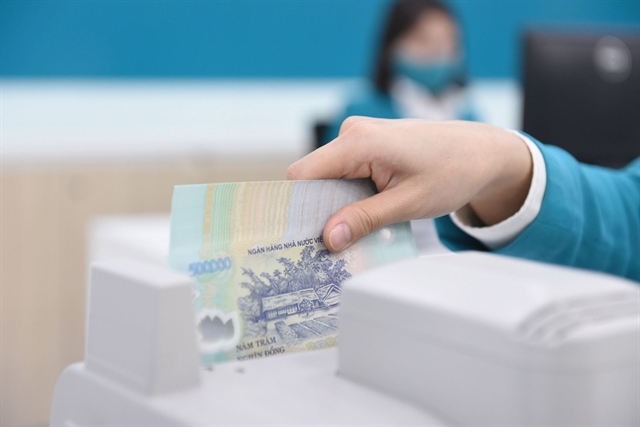
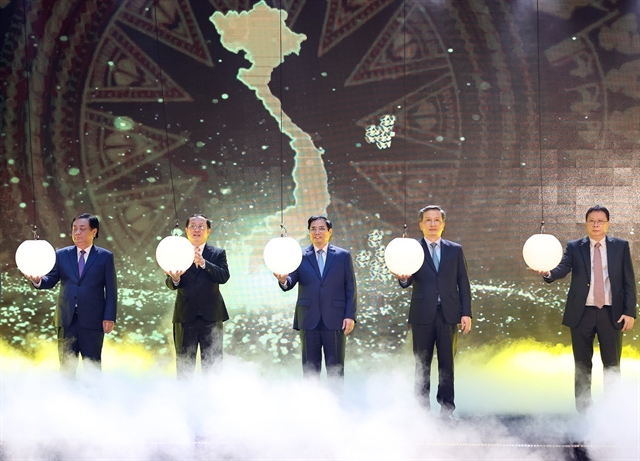

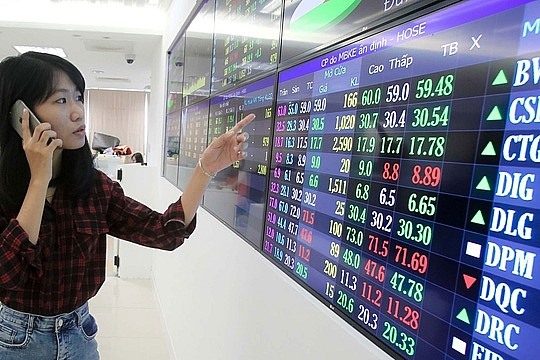
Vietnamese markets failed to maintain upward trend on Tuesday as blue-chips and banking stocks dropped, pressuring indices.

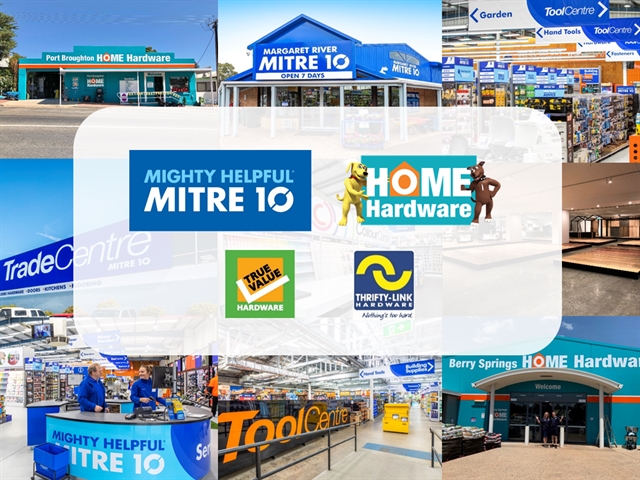
A Vietnamese digital commerce agency has reached an agreement to replace two existing legacy business-to-business (B2B) portals for the largest independent hardware wholesaler in Australia.