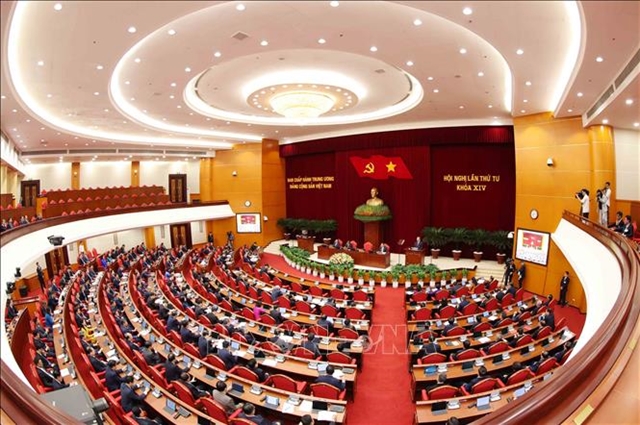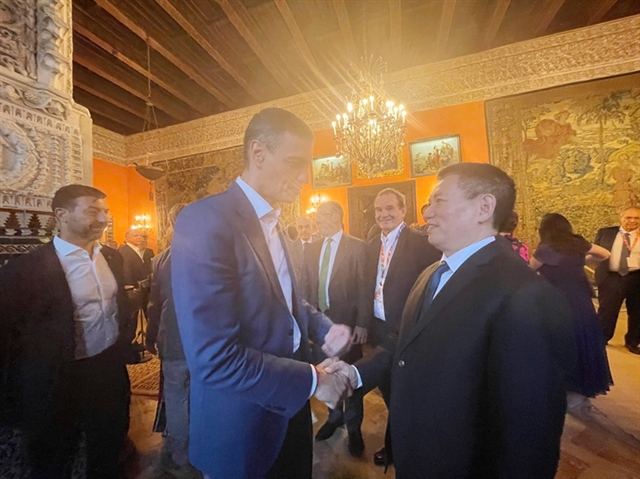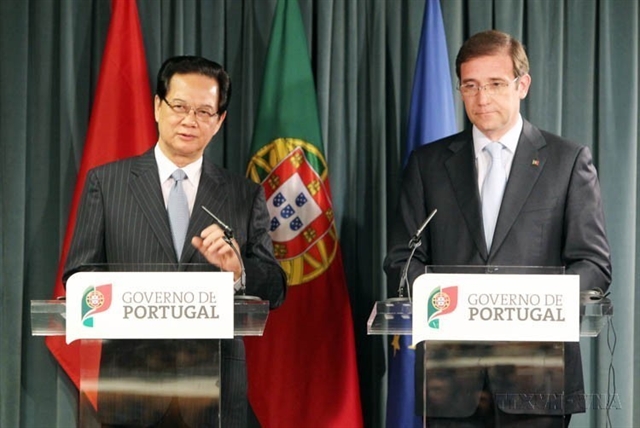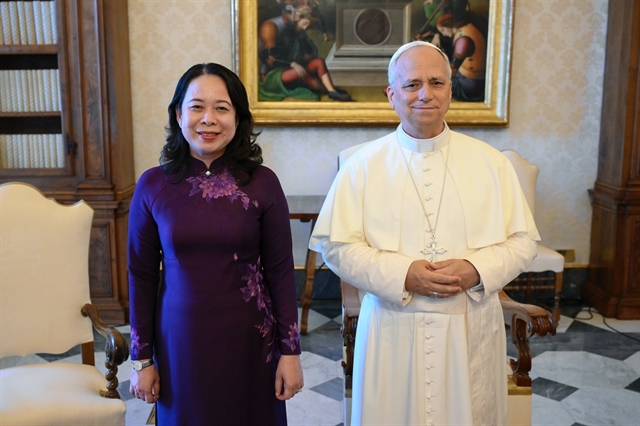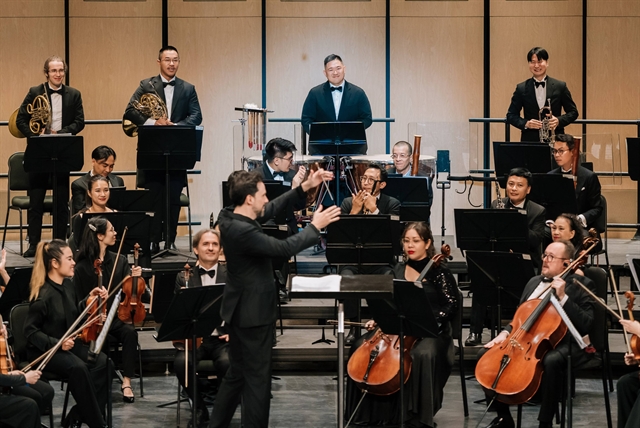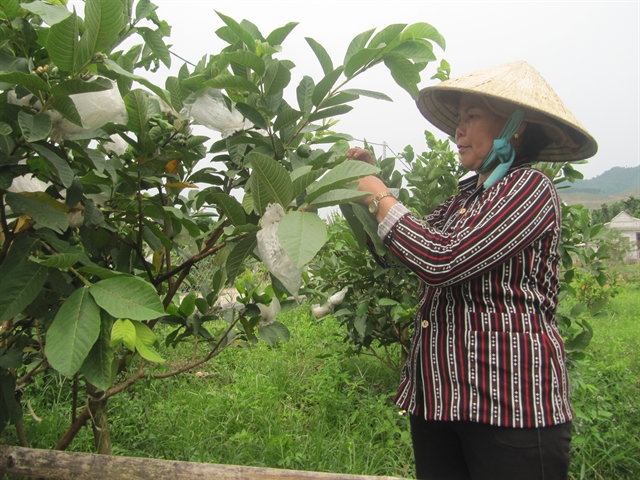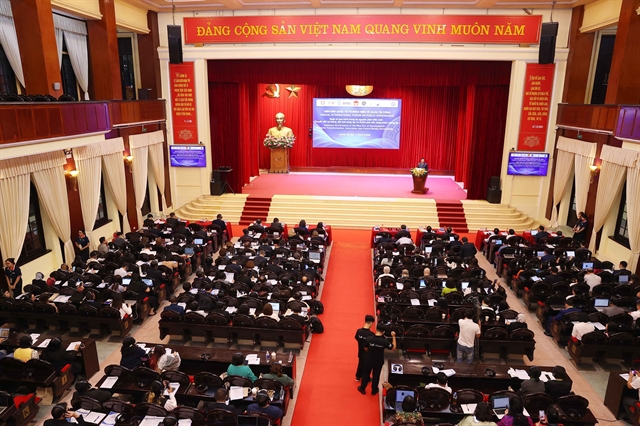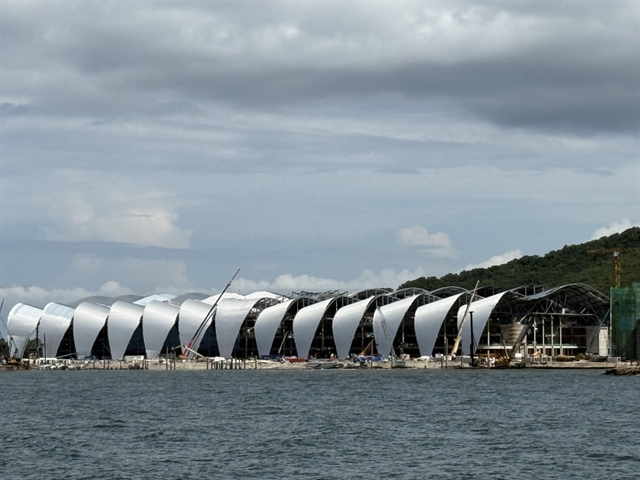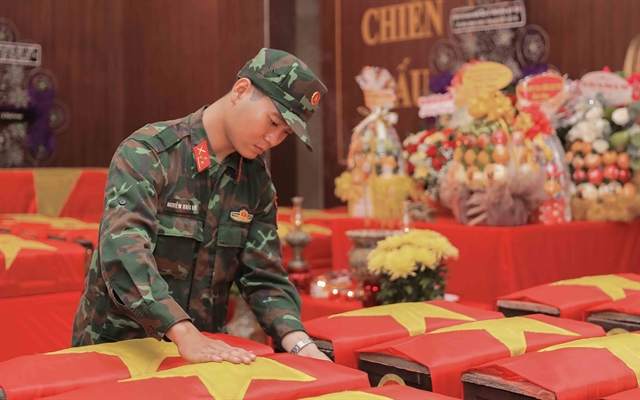
This photo essay revisits the history of bilateral cooperation and highlights key achievements that both Việt Nam and Portugal have accomplished together in various fields.
The plan, designed to align with the Party’s directives, aims to embed rigorous controls over power and prevent abuse in managing state resources.
Pope Leo voiced support for further exchanges through the Việt Nam – Holy See Joint Working Group, aiming to strengthen cooperation in line with the aspirations of Vietnamese Catholics and the interests of both sides.
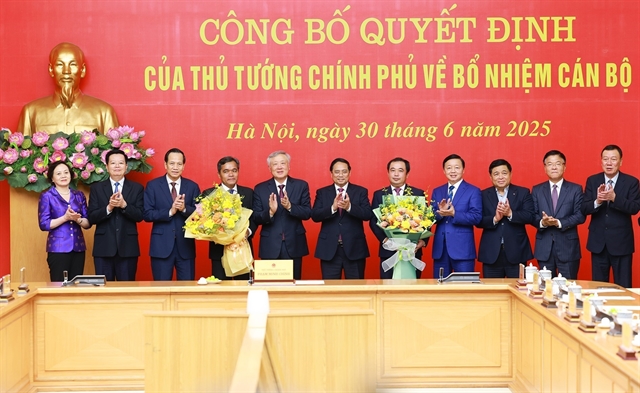
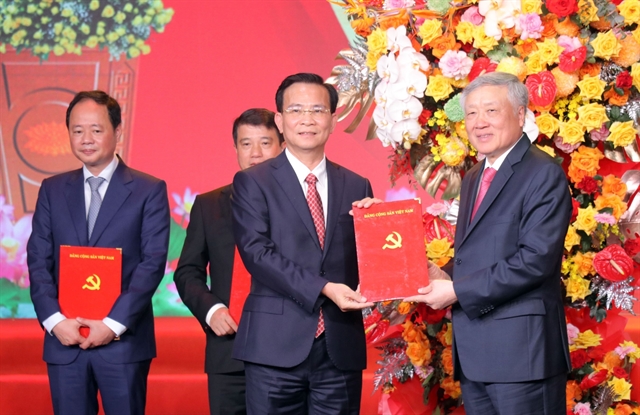
PM Phạm Minh Chính urged the two officials to continue dedicating themselves to their new roles, drawing on their accumulated experience, upholding the highest sense of responsibility, setting an example for their subordinates, preserving revolutionary ethics, and devoting their lives to the revolutionary cause of the Party and the people.
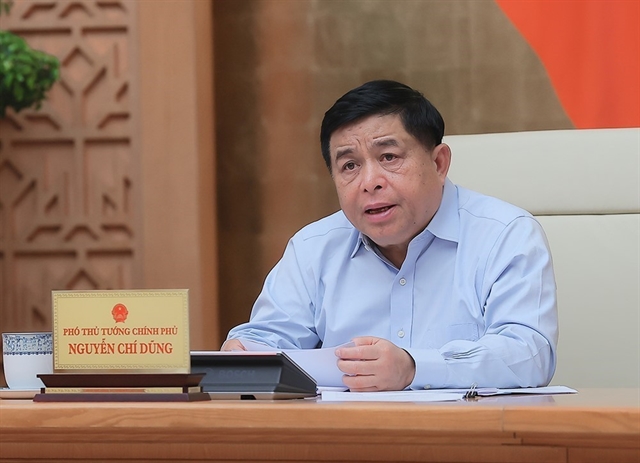
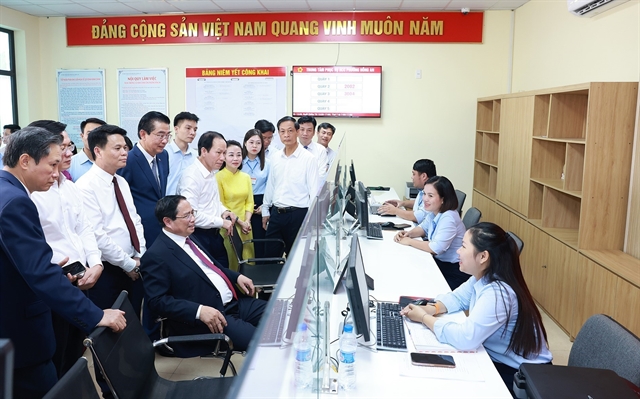
This was the fourth meeting chaired by Deputy PM Nguyễn Chí Dũng in just over a week to ensure all necessary tasks are on track ahead of the official rollout of the new governance model on July 1.
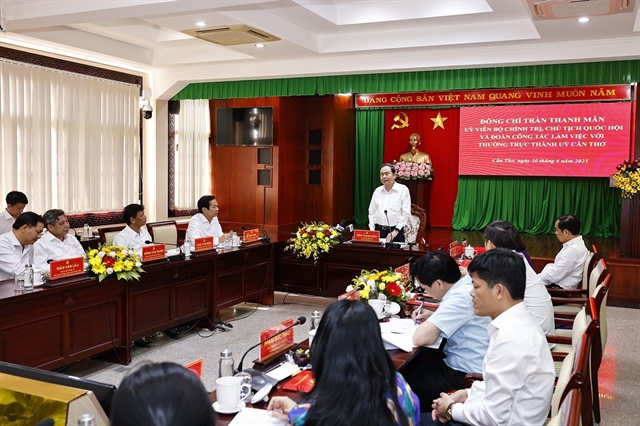
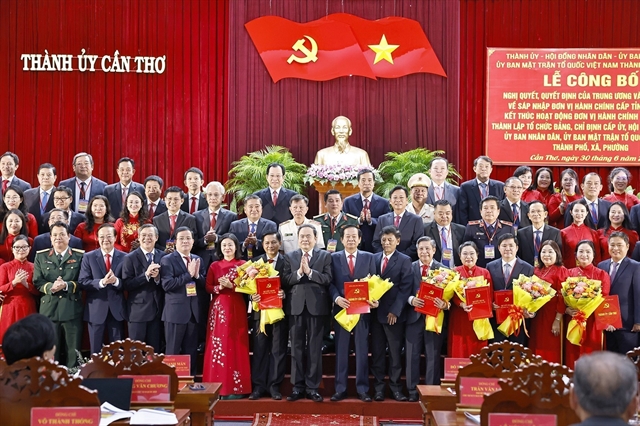
NA Chairman Trần Thanh Mẫn commended Cần Thơ, alongside Hậu Giang and Sóc Trăng provinces, for their proactive and meticulous approach to the administrative overhaul.
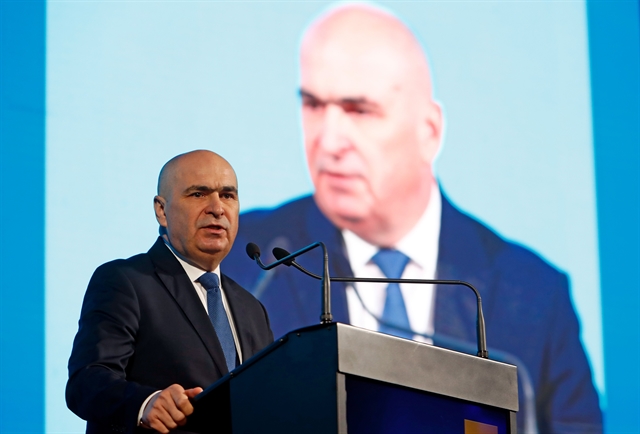
Prime Minister Phạm Minh Chính on Monday sent a message of congratulations to Ilie Bolojan on his election as Prime Minister of Romania.
Under the new structure, Hải Phòng and Hải Dương will be merged to form an expanded Hải Phòng City, eliminating the district level entirely. The newly merged area now has 114 commune-level administrative units and encompasses over 3,194sq.km, with a population of more than 4.66 million.
The Party Committee of Cần Thơ city is established through the merger of the Party Committees of the former Cần Thơ city, Hậu Giang province, and Sóc Trăng province. For the 2020–2025 tenure, it consists of 79 members while its Standing Board gathers 20 members.
Deputy Prime Minister Nguyễn Hòa Bình said the reform is expected to create an opportunity to restructure the public workforce.
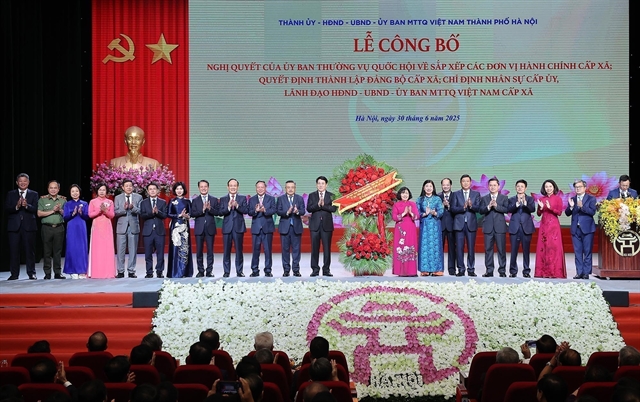
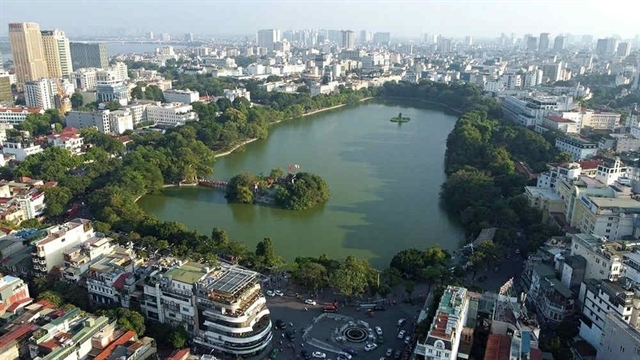
Hà Nội’s 526 communes and wards have been reorganised into 126 commune-level administrative units, including 51 wards and 75 communes. Along with other localities across the country, these communes and wards will officially begin operations under the two-tier local administration model on Tuesday.
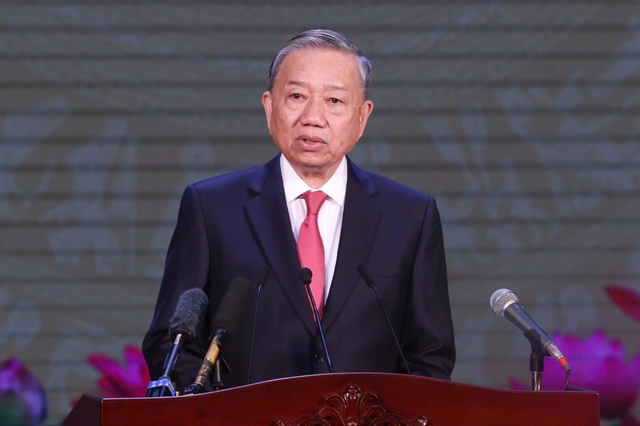
General Secretary Tô Lâm on Monday morning (June 30) attended a ceremony in HCM City to announce the formation of the new HCM City, following its historic merger with Bà Rịa – Vũng Tàu and Bình Dương provinces.
Nguyễn Văn Được, member of the Party Central Committee, Deputy Secretary of the city’s Party Committee, and chairman of the HCM City People's Committee, shares his insights on the city’s history and development vision.
In each province and city, live television was organised to broadcast the ceremony to announce new provincial and municipal authorities.
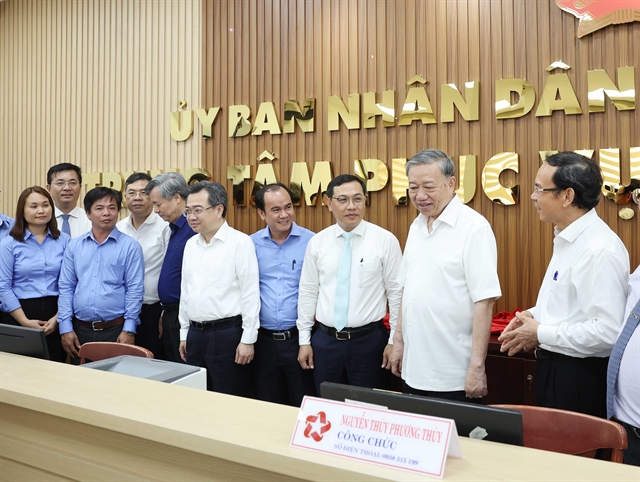
Local authorities of Xuân Hoà ward and Tân Vĩnh Lộc commune in HCM City must ensure political security, social order and safety, and stability; avoid passivity or being caught off guard in any situation; promptly detect and address emerging problems early and from afar.
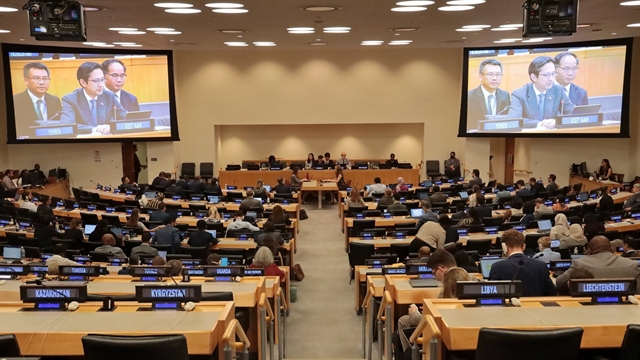
For the first time, a Vietnamese representative was elected chair of the 35th meeting of States Parties to the United Nations Convention on the Law of the Sea, marking an important milestone in Việt Nam’s engagement in global maritime affairs.
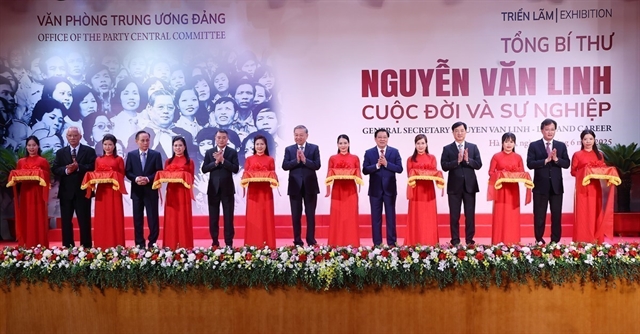
Late Party General Secretary Nguyễn Văn Linh played a pivotal role in steering the revolutionary course through domestic challenges and major global upheavals, while pursuing principled reforms, and respecting and promoting the people’s right to mastery.
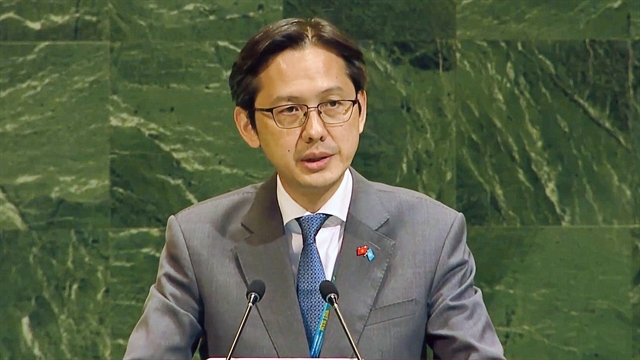
Ambassador Đỗ Hùng Việt emphasised that despite the immense pain and loss endured, Việt Nam has consistently chosen the path of peace, cooperation, and reconciliation — principles that lie at the heart of the UN Charter.