Authorities will step up public awareness campaigns, legal education and international cooperation to promote disability rights and fulfil Việt Nam’s commitments under the CRPD.
Vietnam Education Publishing House (VEPH) is strengthening its international presence through new partnerships in the United Kingdom, focusing on educational publishing, copyright cooperation, and digital transformation to enhance innovation and global connectivity in education.
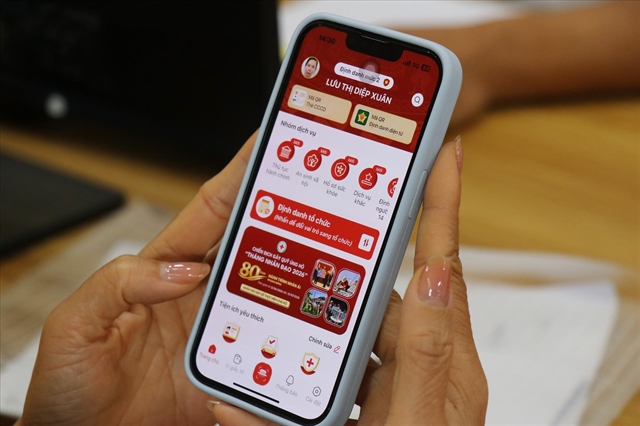
A government-approved plan aims to place VNeID at the centre of Việt Nam’s digital ecosystem, with nationwide integration of e-wallets, digital signatures and public services by 2030.
Despite a 15 per cent drop in workplace accidents, 658 workers were killed on the job in 2025, and the deaths have continued into 2026.
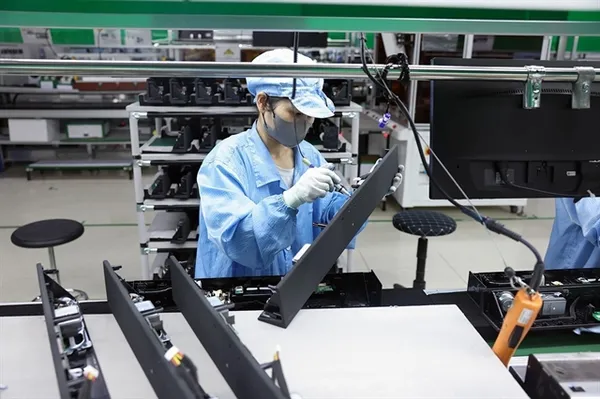
The northeastern province is trying to reduce its dependence on resource extraction as investment flows into manufacturing, electronics and logistics infrastructure.
The Politburo has set an ambitious vision for HCM City to become a global city by 2075, setting out economic growth targets, infrastructure benchmarks and special legal mechanisms to boost the southern economic hub’s global competitiveness.
The programme aims to promote a safe, healthy and child‑friendly living environment so that every child can develop physically, mentally, intellectually and digitally.
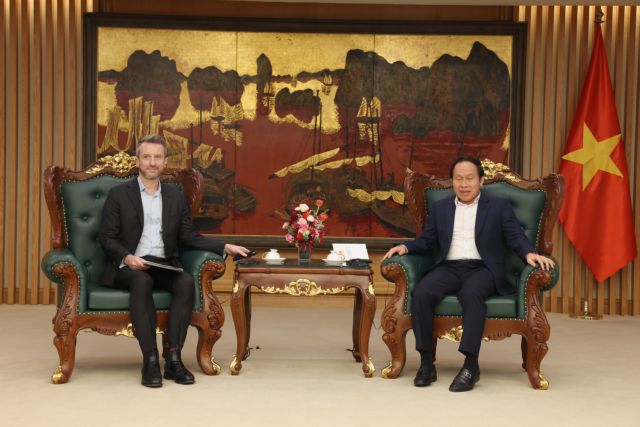
Noting the substantial room for joint work in education and workforce training, Deputy Prime Minister Lê Tiến Châu urged RMIT Melbourne to treat Việt Nam as a strategic partner and keep expanding investment in the country.
Việt Nam is focusing on high-speed rail, urban railways, seaports, aviation infrastructure and expressways, all of which need AIIB’s investment cooperation.
Amid the biting cold of the highlands, Mông children are still lovingly taken to school by their parents every day. Despite the many hardships faced by local families, the children’s faces glow with excitement at the chance to learn, see their teachers and spend time with friends.
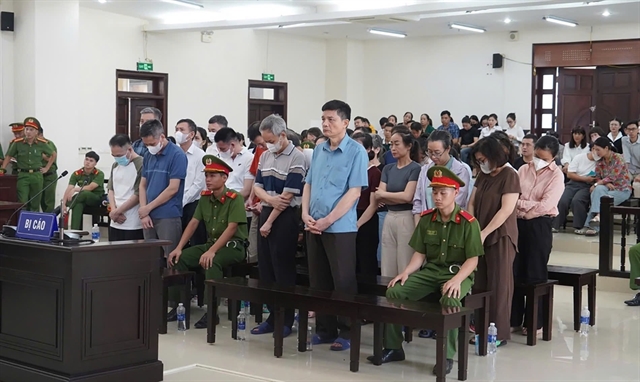
The Supreme People’s Court in Hà Nội on Wednesday reduced prison sentences for several former health officials convicted in a major bribery case involving the Ministry of Health’s Food Safety Department.
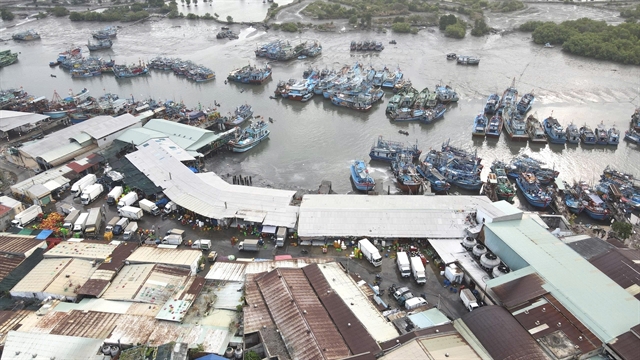
HCM City is rolling out a comprehensive road map to implement electronic fishing logbooks on local vessels, aimed at modernising the fisheries sector and helping lift the European Commission's "yellow card" warning against Illegal, Unreported and Unregulated fishing.
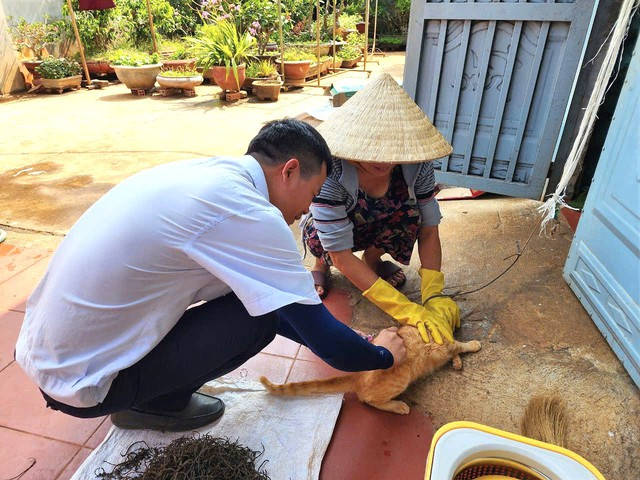
Đắk Lắk recently issued an urgent directive calling for robust rabies prevention measures after the Ministry of Agriculture and Rural Development released an assessment that placed it among 12 high-risk provinces.
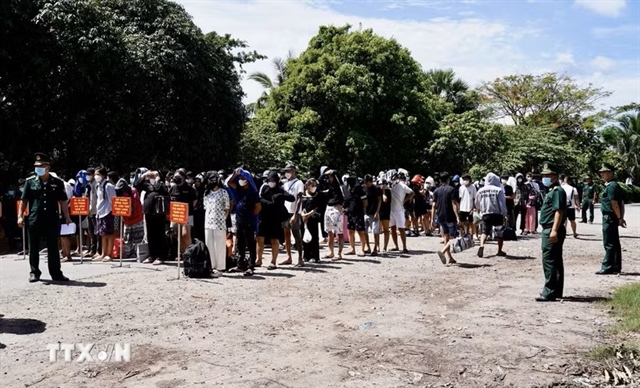
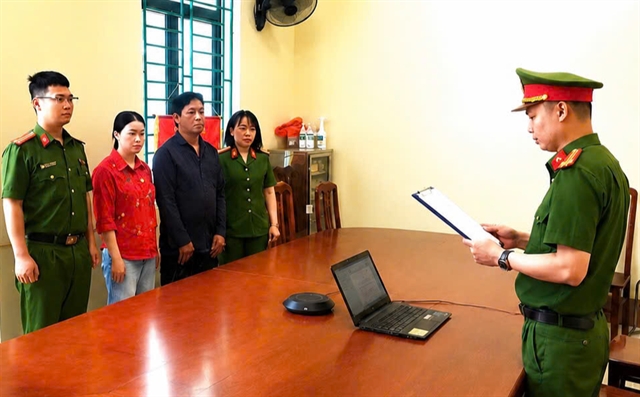
The citizens, whose registered living places, are mainly in northern, central, Central Highlands, and southwestern localities, had travelled to Cambodia through different border gates at various times.
Shifting the medical approach from treatment to proactive prevention and strengthening multidisciplinary collaboration are crucial steps to reducing the escalating burden of respiratory infections in children, medical experts said.
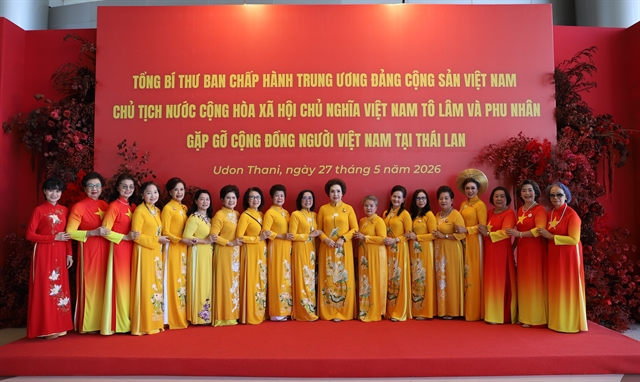
Vũ Mạnh Hùng, a member of the site’s management board, said the visit carries special significance for Vietnamese expatriates in Thailand in general and in Udon Thani in particular.
Hà Nội is seeking public feedback on a draft resolution proposing incentives for investment in developing underground infrastructure, low-altitude airspace and high-altitude aviation.
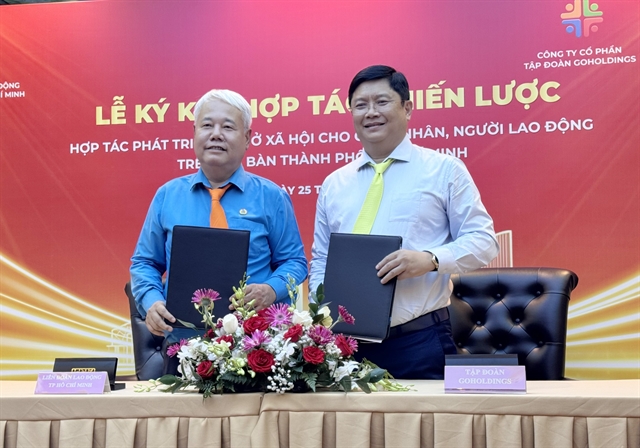
HCM City plans to build housing for at least 5,000 workers by 2030 under an agreement signed between its Labour Federation, Go Holding, and Lê Nguyễn Leveling and Construction Company.







.jpeg)