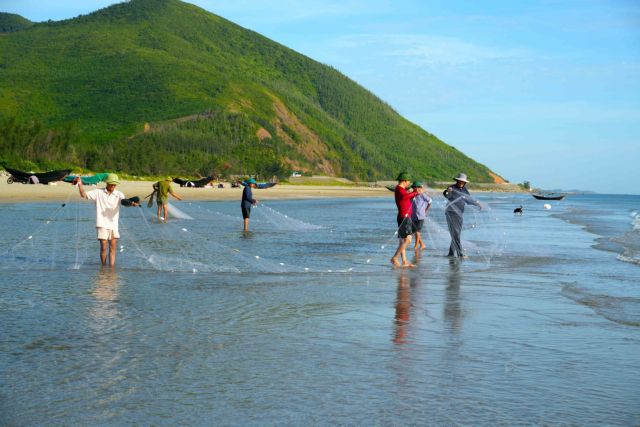
Net fishing has been passed down through many generations here, providing fresh seafood for local families while supplementing their incomes.
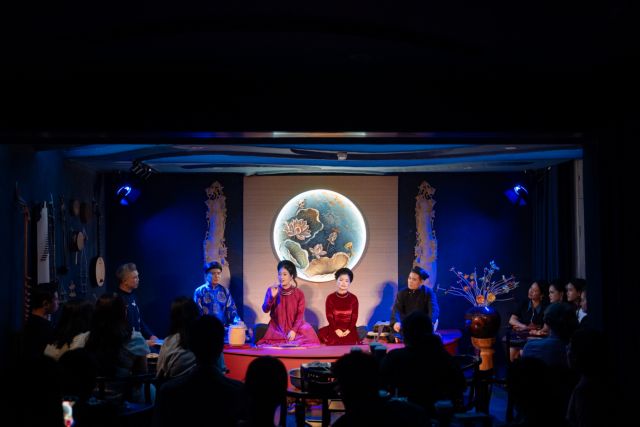
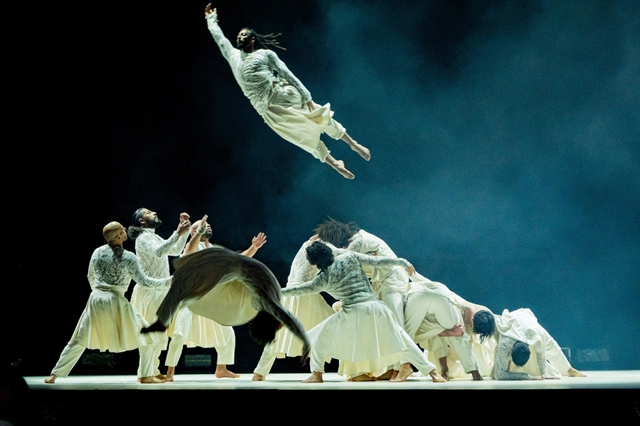
Traditional arts are often seen as relics of the past. At Cadao Collective in Hà Nội, however, water puppetry, xẩm and ca trù are being reimagined for today's audiences without losing their cultural soul.
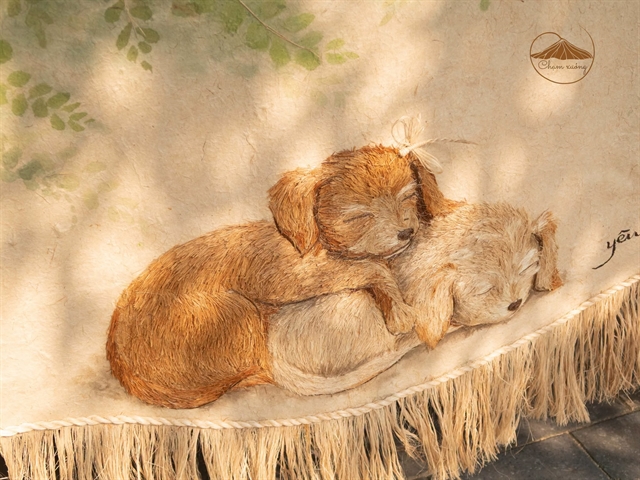
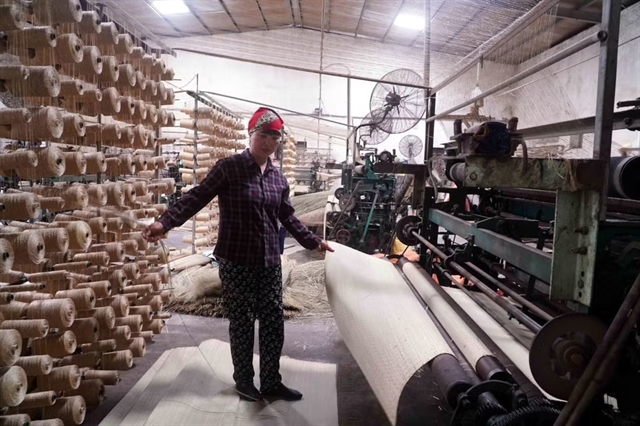
For generations, the sedge mat has been a familiar presence in Vietnamese homes. Today, the tradition continues, with skilled hands and modern machinery working together to keep the craft alive.
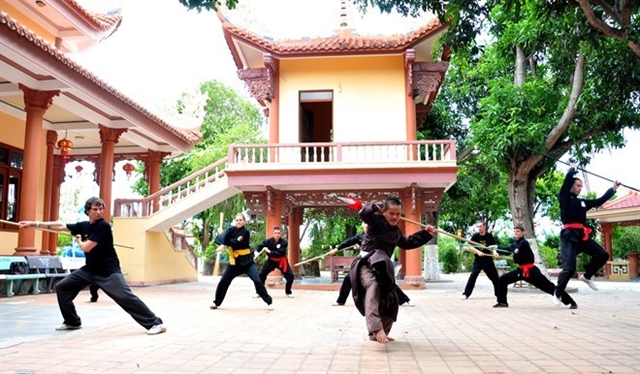
Long Phước is best known for its role in preserving and promoting traditional Vietnamese martial arts. Historically, monks practised martial arts to maintain physical fitness and safeguard ancient techniques.
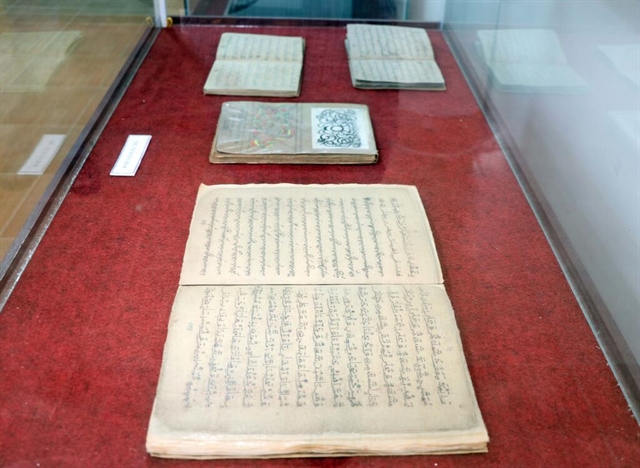
Preserving centuries of knowledge about history, beliefs, religion and community life, ancient Chăm manuscripts reflect the Chăm people's creativity, cultural exchange and distinctive traditions of knowledge transmission.
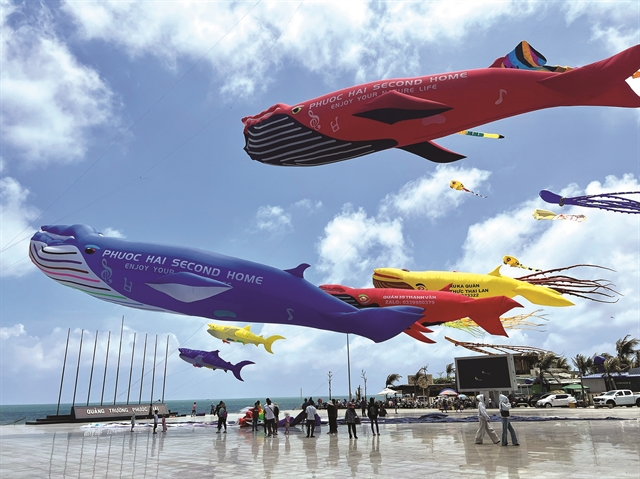
Following its merger with Bà Rịa-Vũng Tàu and Bình Dương provinces, the expanded city is poised to reshape its tourism identity by bringing urban and coastal experiences together as a single destination.
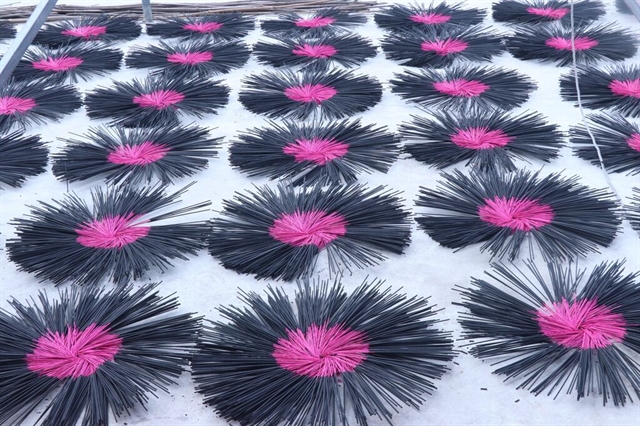
Located in Diên Hà Commune, Hưng Yên Province, Văn Quan is known for its traditional black incense, a product closely tied to the spiritual practices of the Vietnamese people.
Beyond enriching audiences' artistic experiences, the trend is enhancing the capital city’s global profile, fostering the growth of its cultural industries and strengthening Hà Nội’s position as an emerging hub for international cultural exchange.
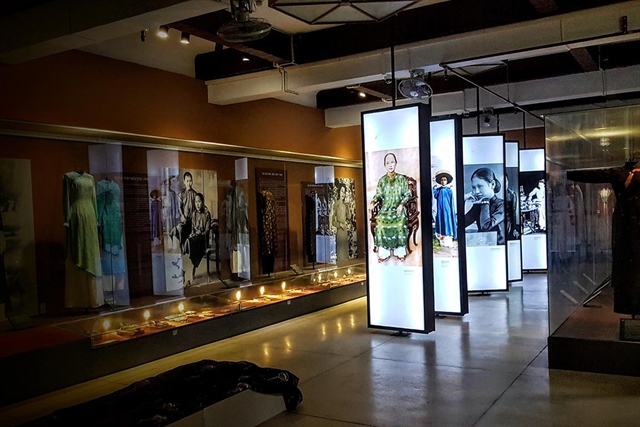
As HCM City seeks new engines of growth, museums are increasingly being repositioned as catalysts for the creative economy, combining digital innovation, heritage experiences and night-time tourism to support the city’s ambitious development goals.
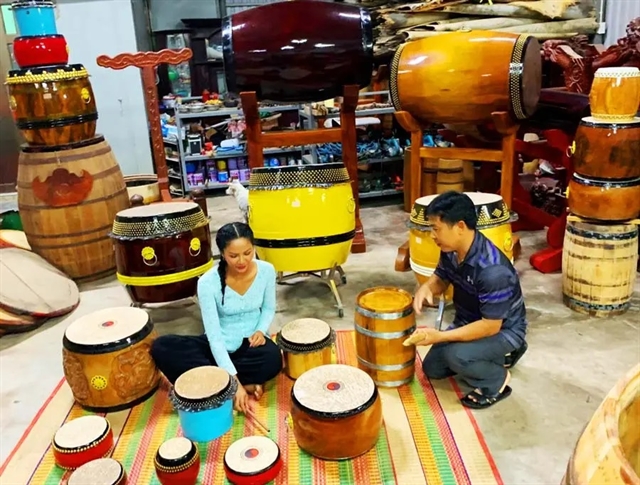
Every handcrafted drum produced in Bình An Village, Tân Trụ Commune in Tây Ninh Province, carries more than sound. It preserves generations of craftsmanship, cultural memory and the enduring traditions of rural Việt Nam.
The spirit of Resolution 80, issued in January 2026 by the Communist Party of Việt Nam, has opened up a new approach: viewing heritage, including folk culture, not only as a legacy to safeguard, but also as a resource for developing cultural industries in the contemporary age.
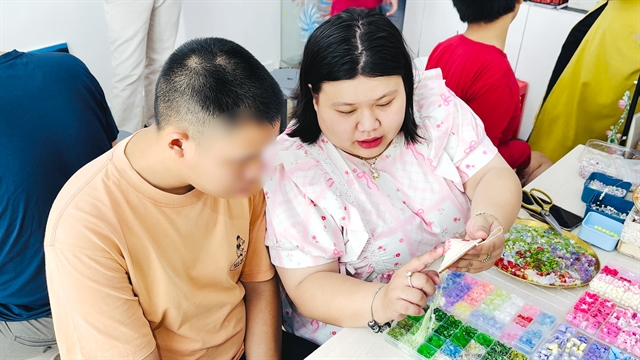
In a modest classroom in Hồ Chí Minh City’s Phú Thọ Ward, autistic children and young adults are learning more than arts and crafts.
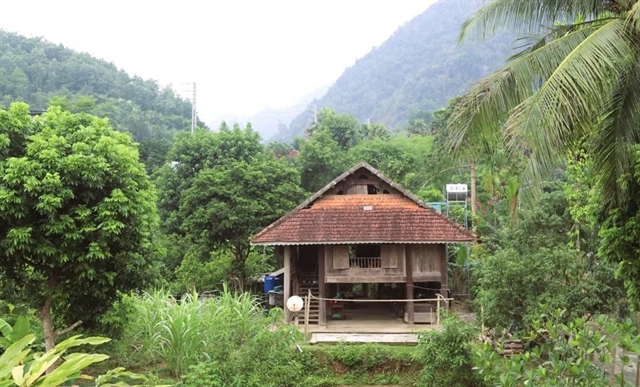
While modern development continues to reach the valley, the traditional stilt houses of Bình Chuẩn remain far more than architectural landmarks. They are living expressions of the Thái people's relationship with nature, community and tradition.
What makes the village particularly compelling is the way nature, culture and daily life form a cohesive experience.
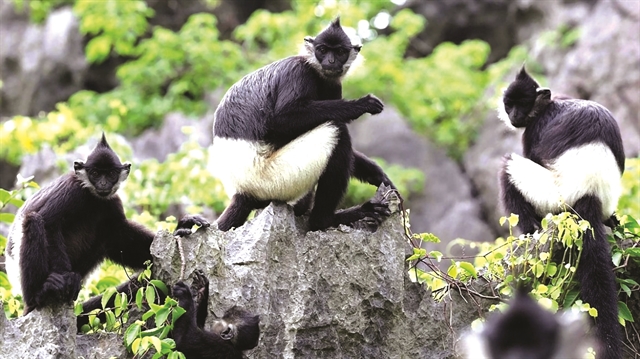
Ninh Bình currently provides shelter for more than 90 per cent of the global population of endangered Delacour’s langur – a symbol of the biodiversity of limestone karst ecosystems.
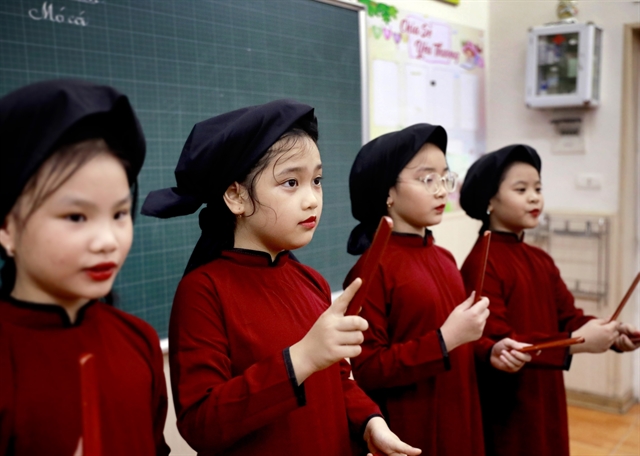
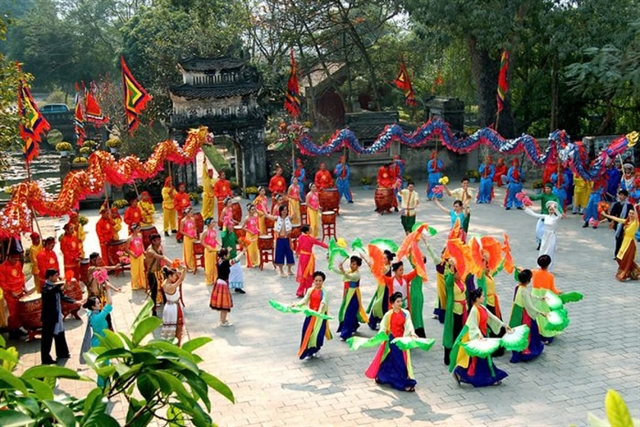
These ancient folk songs, once only heard in village communal houses and temples, are now present and familiar in the school environment, carried on by the young generation of the ancestral land with pride and love for their homeland's heritage.
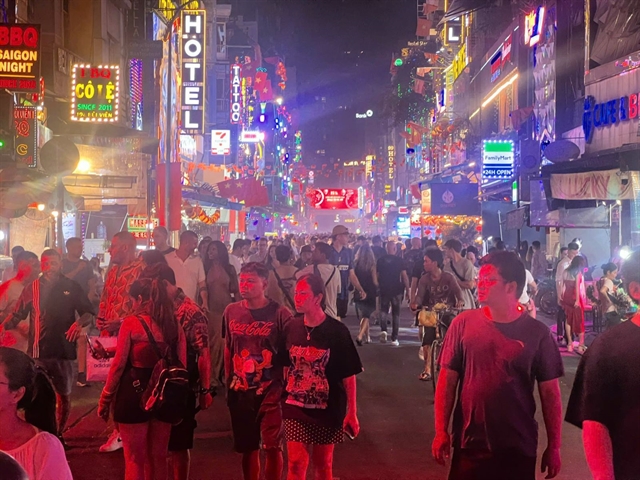
Despite its vibrant lifestyle and strong demand for entertainment, HCM City’s night-time economy has yet to realise its full potential.
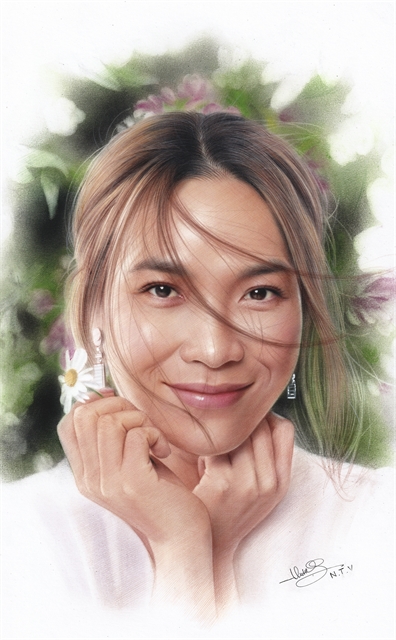
Using only simple tools such as paper and ballpoint pens, young artist Nguyễn Thế Vũ creates hyper-realistic portraits filled with detail and emotion, turning an everyday writing instrument into a medium for fine art.
.jpg)