50 years on: Remembering the Battle of Quảng Trị
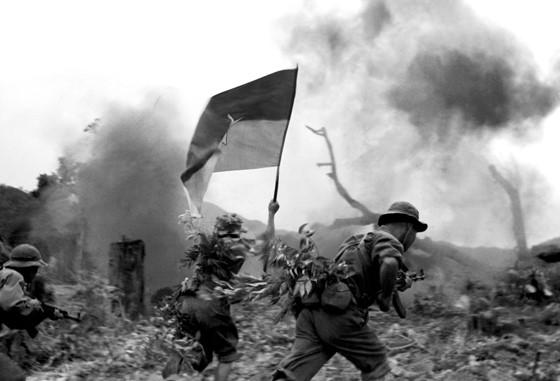
Fifty years on, the heroic Second Battle of Quảng Trị is much remembered. The battle, sometimes named Operation Lam Sơn 72, raged for 81 days from June 28 to September 16, 1972.
Fifty years on, the heroic Second Battle of Quảng Trị is much remembered. The battle, sometimes named Operation Lam Sơn 72, raged for 81 days from June 28 to September 16, 1972.
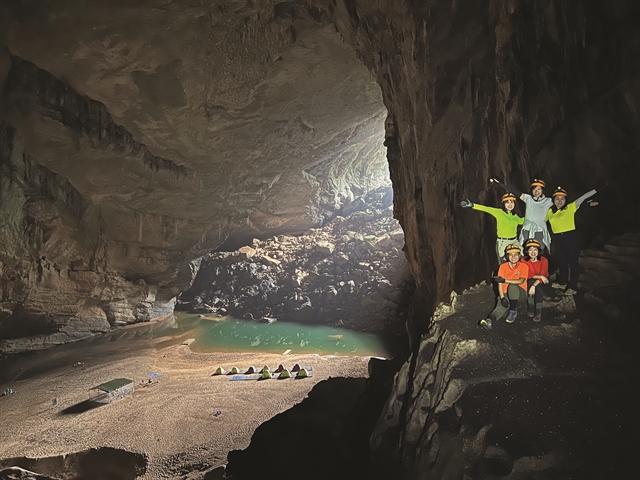
Sơn Đoòng, the world's largest cave, caught our attention about 10 years ago. When magnificent photos of the cave were taken by members of the British Caving Association and other visitors, I felt great pride as a Vietnamese.
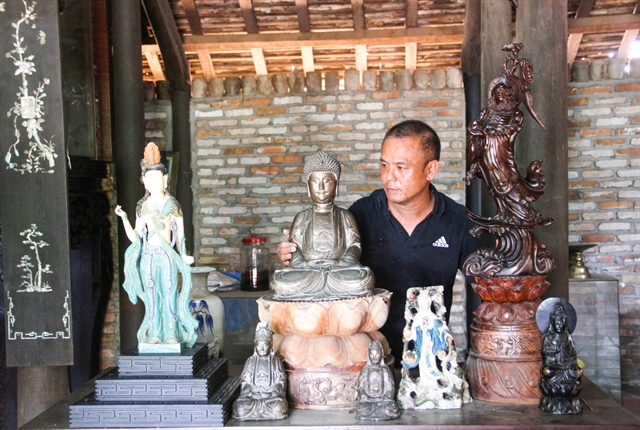
When visiting Huỳnh Hữu Lộc’s wooden house in the early morning, you can see a Buddha statue in a mysterious dark-blue colour preserved solemnly at the centre of the house. But as the sun gets higher, that dark-blue changes to pale yellow at noon, then to puce as the sun goes down.
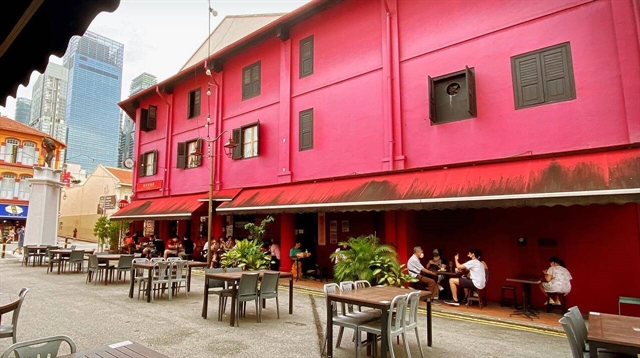
Đỗ Minh Phương, 38, of HCM City is excited as she prepares the documents needed to apply for visas for her family to travel to France this summer.
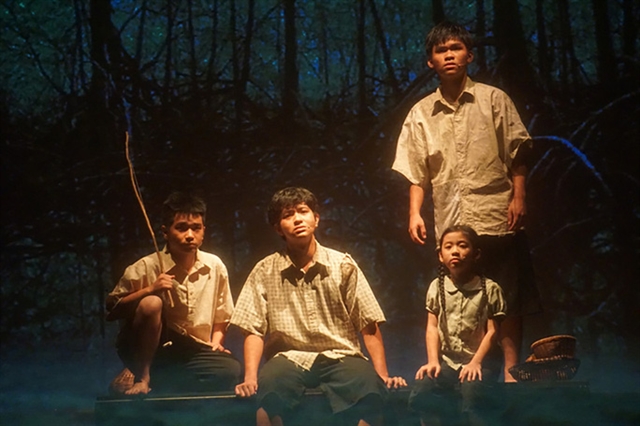
Young artists in HCM City are being encouraged to hone their performance skills in classes taught by People’s Artist Thanh Tuấn, a veteran cải lương (reformed opera) actor.
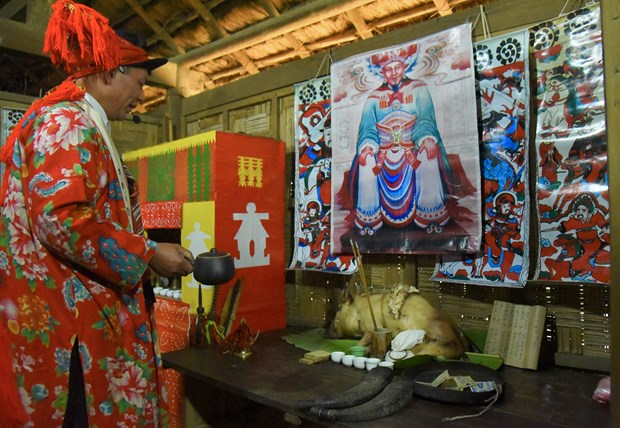
The cultural and spiritual life of ethnic minorities in the northernmost mountain province of Hà Giang's Hoàng Su Phì District has risen to new heights since two traditional ceremonies were included in the list of national intangible cultural heritage.
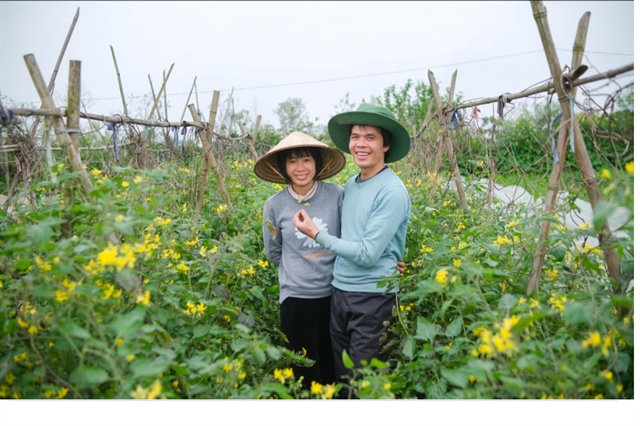
Because of their passion for organic vegetables, Nguyễn Thị Duyên and her husband, Nguyễn Đức Chinh, decided to quit their jobs at the Việt Nam Academy of Agricultural Sciences to devote themselves to their organic vegetable farm.
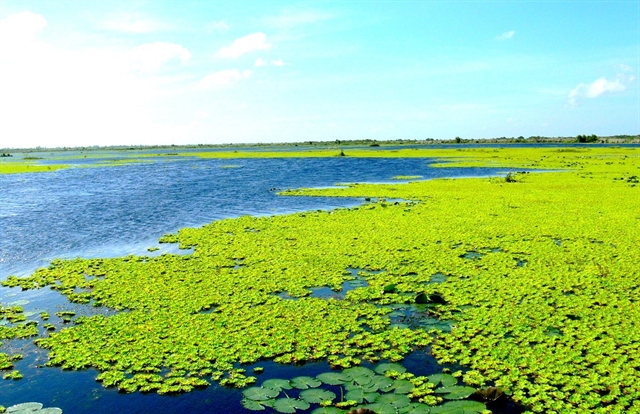
U Minh Thượng National Park in the southern province of Kiên Giang has been welcoming an increasing number of tourists after months of closure to prevent COVID-19 and wildfires.

Fed up with the mass-produced items, Nguyễn Đức Huy pursues natural living, making his own fabric dyes from sustainably-sourced plants.
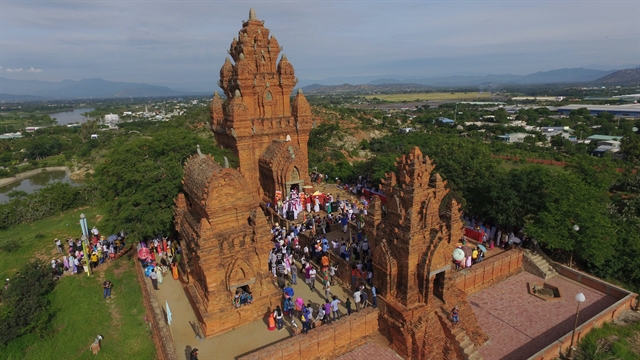
Sunny, windy Ninh Thuận has come into reckoning as a renewable energy hub, but the surprisingly diverse province has much more to offer. Bồ Xuân Hiệp explains.
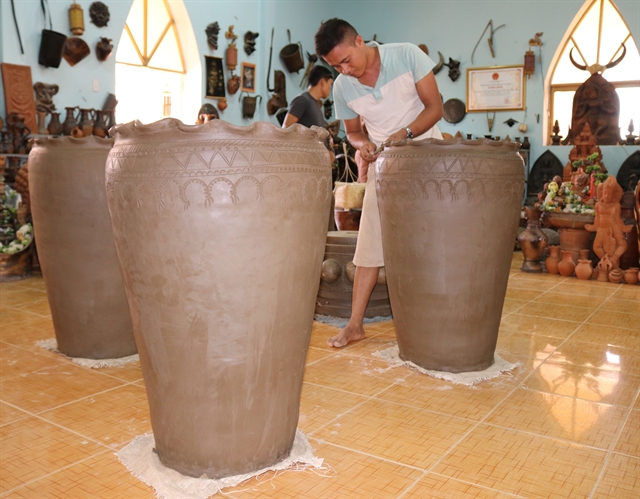
Established around 800 years ago by the Chăm people, the Bàu Trúc Pottery Village is one of the oldest craft villages of its kind in Southeast Asia.
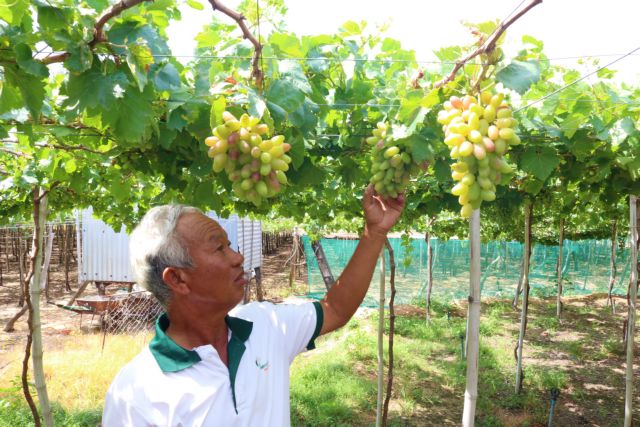
The south-central province of Ninh Thuận plans to have hi-tech agriculture become a key industry with a value growth of between 30 to 40 percent each year.
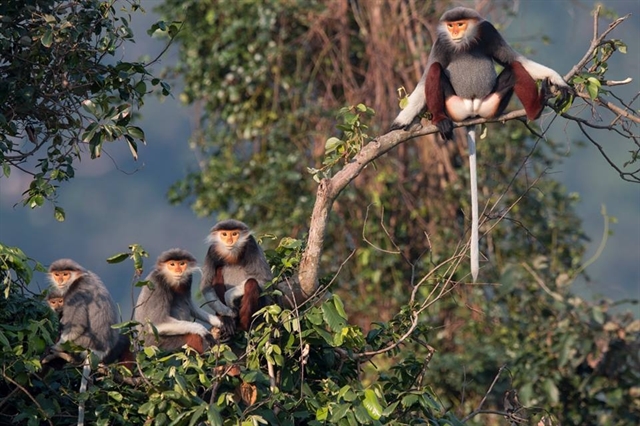
Beginning his primate conservation research in 1999, Dr Hà Thăng Long, a natural conservationist, helped build a network of biodiversity researchers and expanded conservation projects in central Việt Nam.
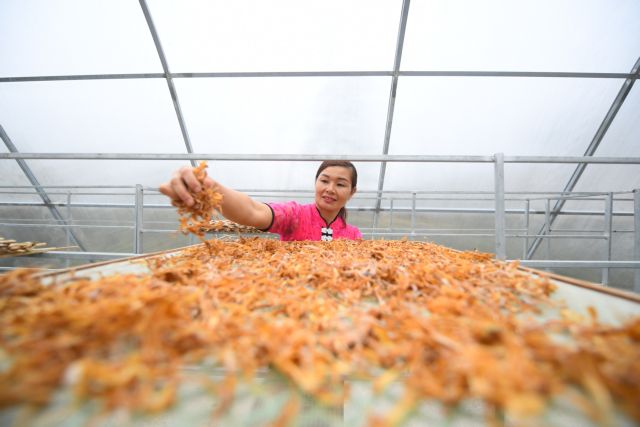
Technology applications have dramatically changed the lives of farmers in the northern province of Sơn La, where most of the population lives off agriculture.
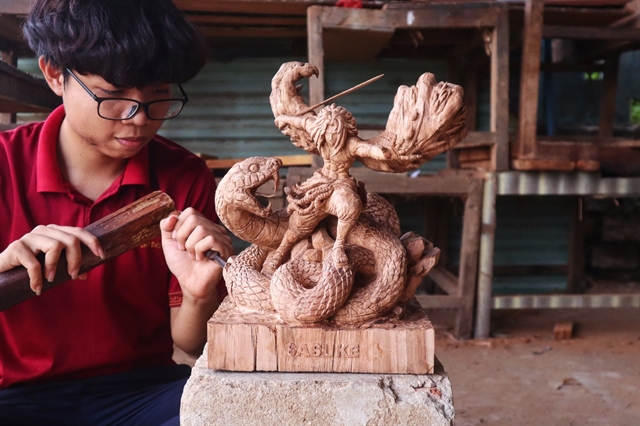
Quảng Nam Province in central Việt Nam is a magnet for tourists with its ancient yellow wooden houses on the banks of the Thu Bồn River in Hội An City. Yet, very few know it is home to skillfully carved miniatures of Japanese and Hollywood animation characters.
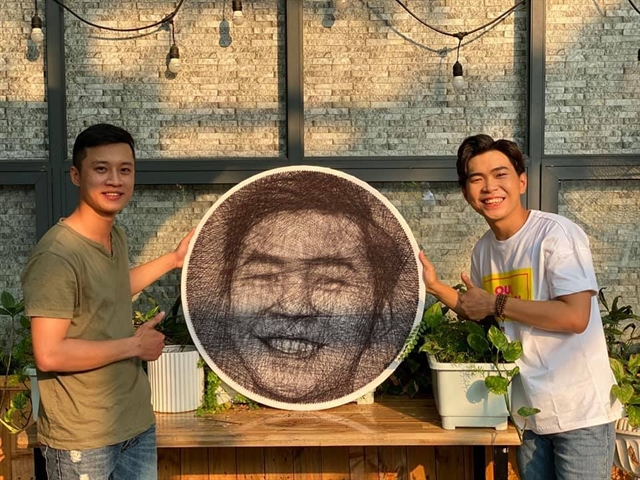
Using embroidery thread, round wooden board, nails and algorithms, Lê Văn Mạnh can produce a person's portrait in seven hours.
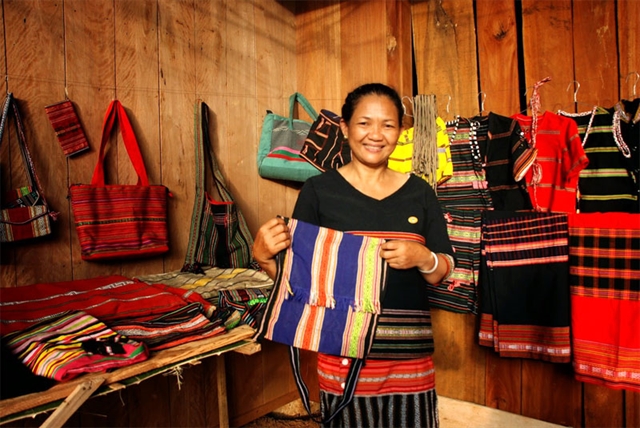
Even though industrial fabric is increasingly popular among S'Tiêng ethnic minority in the southern province of Bình Phước, local women and authorities have been making great efforts to preserve their traditional craft – handloom weaving.

with Home cook Xuân Kiều Kado from Kieu Kado JP & family channel

A new generation of singers not following any trend or making expensive music videos have gained great popularity on YouTube and other music streaming platforms.
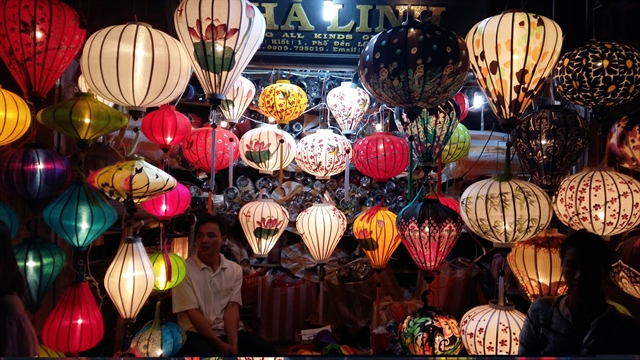
Quảng Nam Province in central Việt Nam is pivoting towards a green tourism strategy that will focus on recycling, environmentally-friendly waste treatment, organic food, 'zero single-use plastics' and lower emissions.